Europe’s standoff with Russia is feeding a fresh risk premium into crude markets, with Brent-linked oil fund BNO climbing back toward the upper end of its recent trading range as investors weigh the chance that escalating political and security tensions could further disrupt energy flows and shipping.
BNO Rises as Europe-Russia Tensions Lift Oil Risk Premium
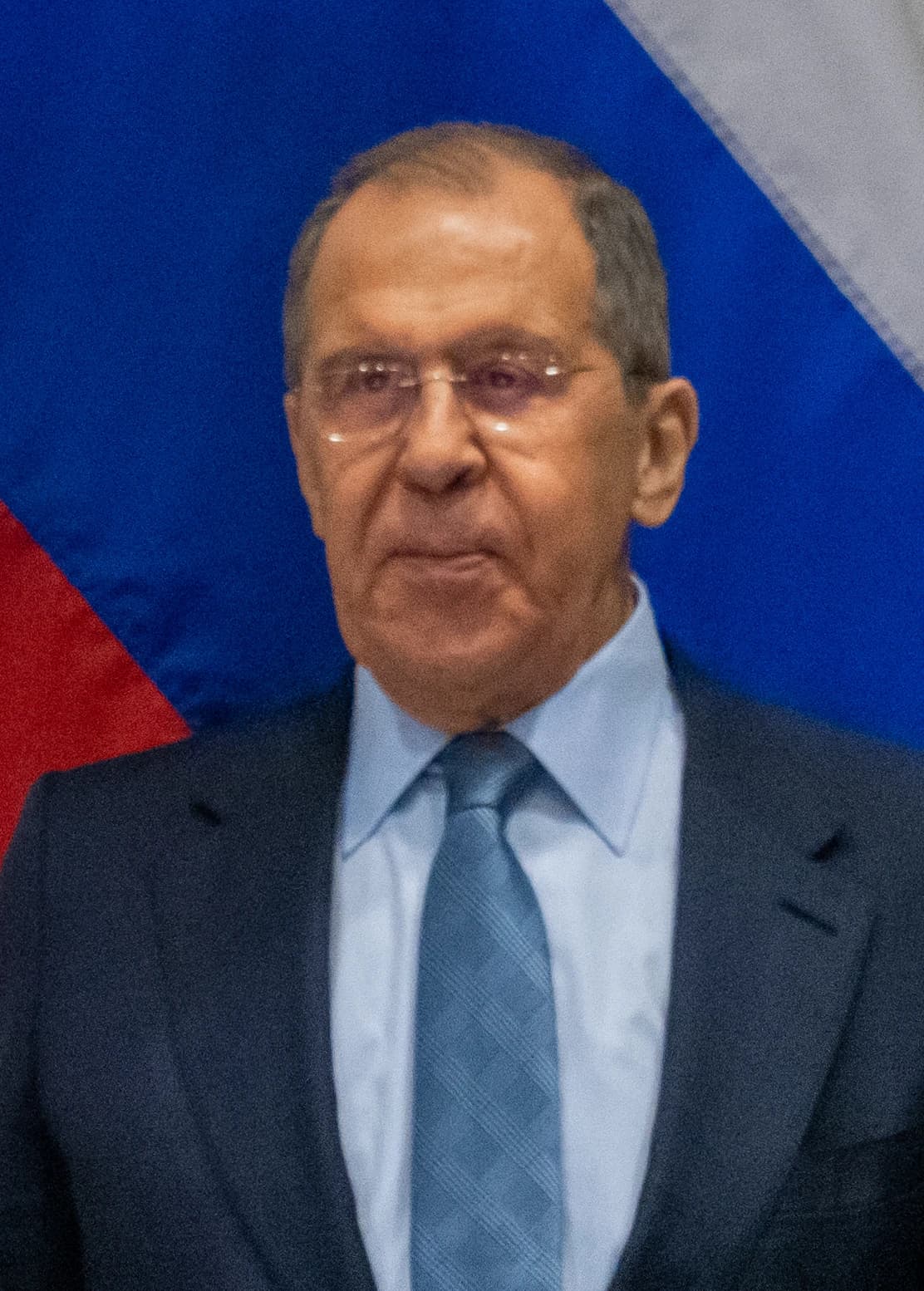
That matters because Europe remains exposed to any widening of the conflict beyond Ukraine, whether through sanctions, sabotage, or retaliatory threats around strategic hubs such as Kaliningrad and the Baltic region. The Russian Foreign Ministry’s warning about “unsupervised production of marches” in the European Union appears to be a mistranslation in the supplied headline, but the underlying message is clear: Moscow is sharpening its rhetoric as EU and NATO capitals tighten pressure, extend sanctions and keep the option of using frozen Russian assets to fund Ukraine under discussion.
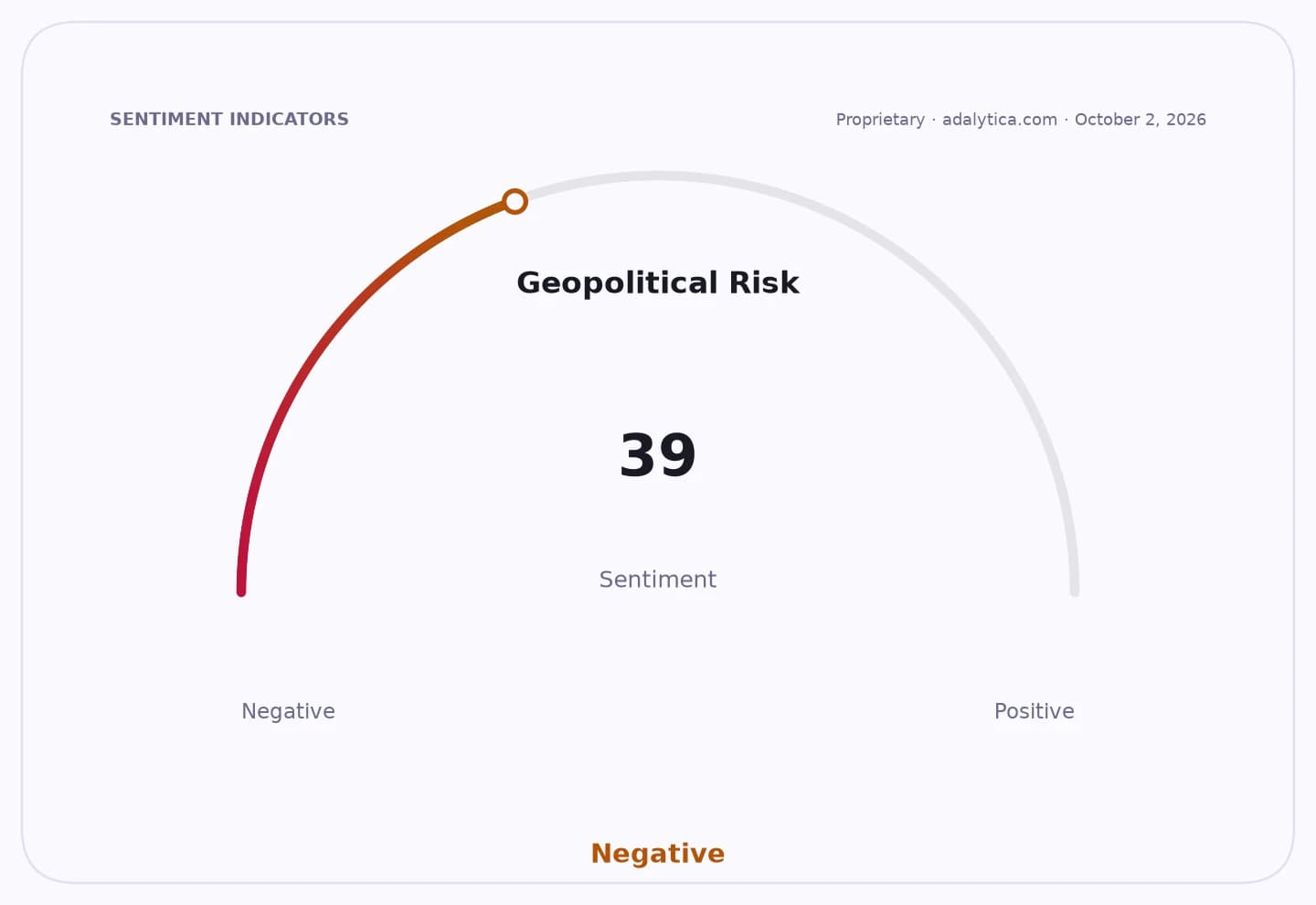
Sentiment IndicatorsⓘProprietary · adalytica.com · October 2, 2026
This is a snapshot — live sentiment, awareness and momentum for 130+ markets update continuously in the dashboard.Open AlphaPulse
For investors, the immediate market question is whether this is another short-lived geopolitical spike or the start of a more durable repricing of European risk. BNO closed at $62.95 on Oct. 1, up from $58.75 two sessions earlier, and the move has come on rising trading volumes. The fund is also trading well above its 50-day moving average of $54.50, while the relative strength index at 53.9 shows the rally has cooled from overbought levels reached earlier in the year. That suggests momentum is still constructive, but not yet extreme.
The broader setup is not just about oil. The euro has weakened sharply in the Adalytica Euro Trade Signals gauge, which shows extreme fear, reflecting how geopolitical stress can spill into currency markets and into European equities with energy exposure. At the same time, Adalytica’s Global Stability Sentiment sits at neutral but with extreme fear in awareness, underscoring how quickly headline risk is building even if markets have not yet entered outright panic.
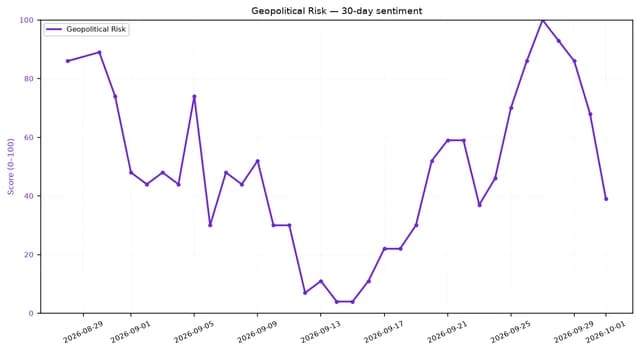
The bullish case for Brent and related energy assets is straightforward: a more hostile Russia-Europe relationship raises the probability of sanctions escalation, transport disruptions or a renewed squeeze on supply routes just as global inventories remain sensitive to any shock. The bearish case is that the market has seen enough of these episodes to fade them unless there is a tangible disruption. For now, the price action says traders are still willing to pay for hedging, but not yet for a full-blown crisis.
What to watch next is whether EU sanctions policy hardens further, whether Moscow follows rhetoric with actions in the Baltic theatre, and whether crude futures can keep hold above recent resistance. If tensions keep worsening, energy, shipping and European risk assets are likely to remain the first to reprice.
| Entity | Gains | Losses |
|---|---|---|
| BNO / Brent bulls | ▲Higher risk premium | ▼Buyers seeking cheaper hedges |
| Oil producers | ▲Better pricing power | ▼Refiners and consumers |
| EU security hawks | ▲Stronger case for tougher policy | ▼Dialogue advocates |
| European importers | ▲— | ▼Higher energy costs |