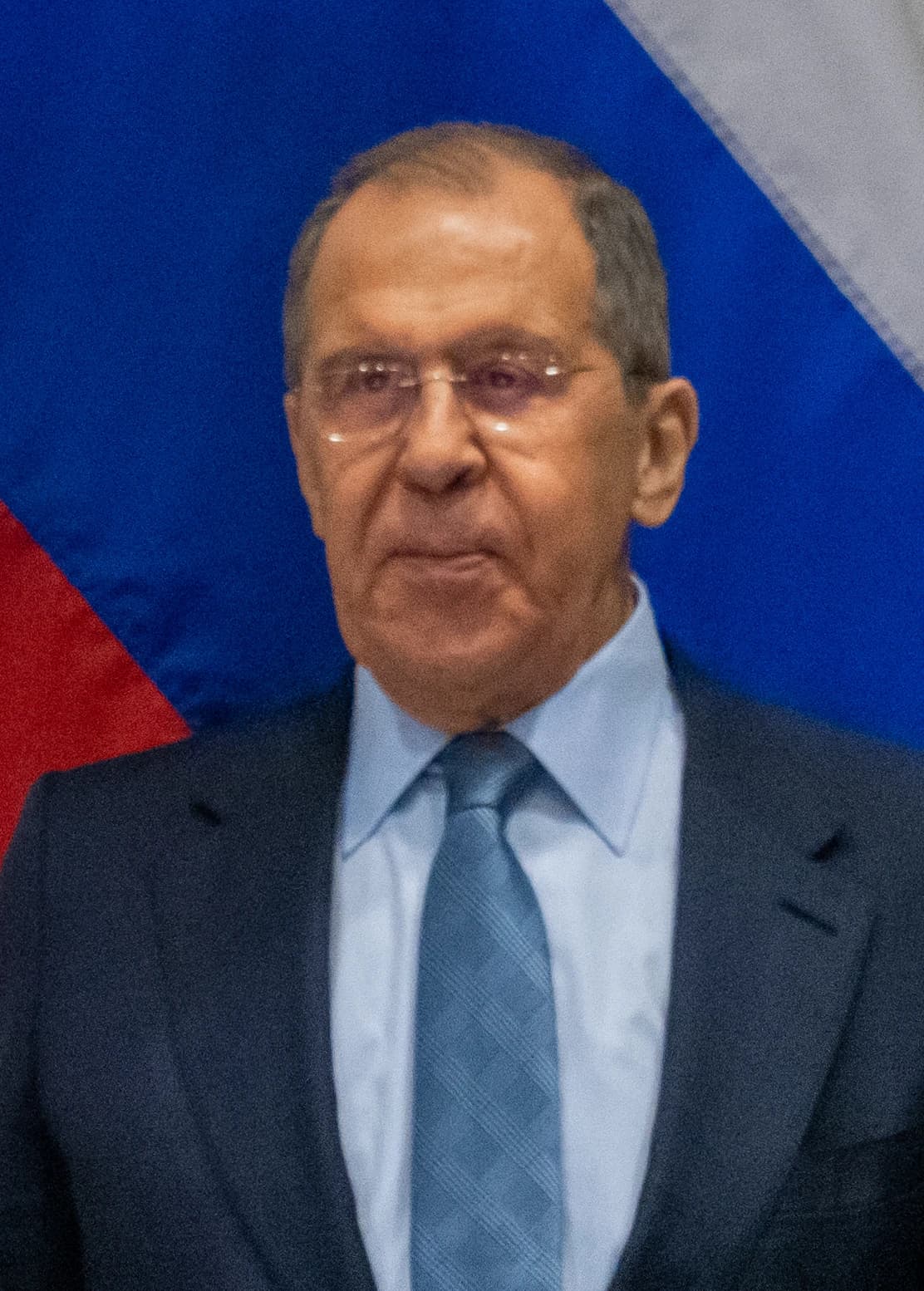
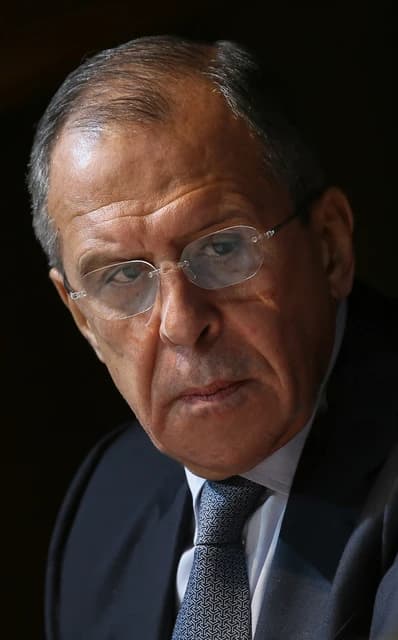
Russia says it will respond “appropriately” after the European Union postponed extending its sanctions regime, a delay that exposes deep divisions inside the bloc and risks weakening Western pressure on Moscow as the war in Ukraine grinds on.
EU sanctions delay raises Russia retaliation risk
The move matters economically because sanctions are not just diplomatic symbolism: they shape capital flows, trade routes, reserve management and access to finance. Any sign the EU is struggling to keep its package intact gives Russia room to exploit political fractures, while also raising the odds of more countermeasures that can disrupt energy, metals and broader cross-border trade.
Sentiment IndicatorsⓘProprietary · adalytica.com · September 20, 2026
This is a snapshot — live sentiment, awareness and momentum for 130+ markets update continuously in the dashboard.Open AlphaPulse
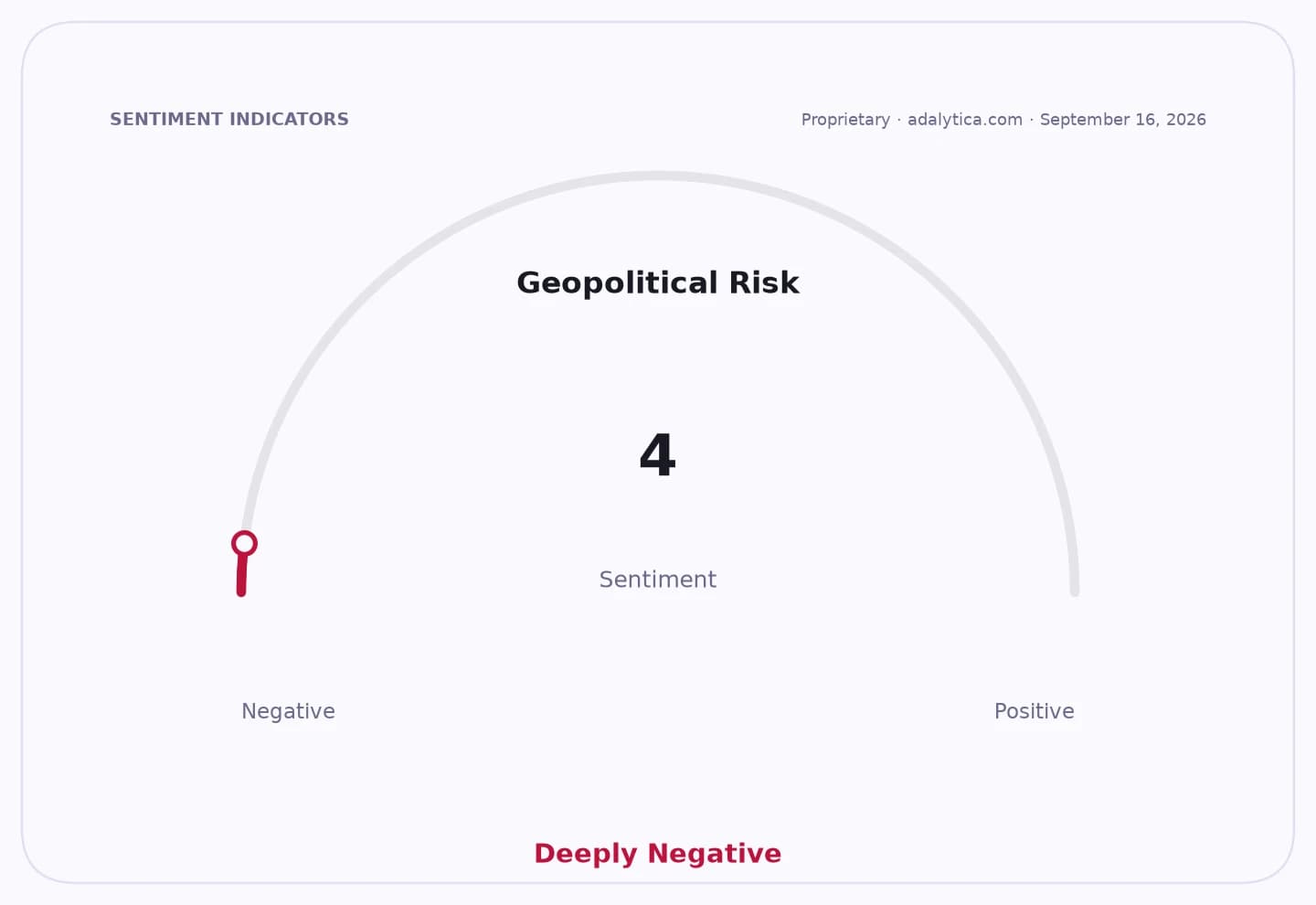
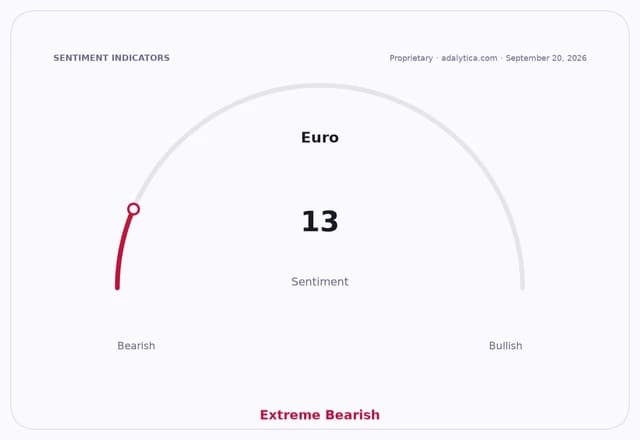
For investors, the most immediate readthrough is heightened geopolitical risk across currencies, energy and havens. Adalytica’s Global Stability Sentiment gauge jumped 26 points in a day to 52, while its Euro Trade Signals measure sits in “Extreme Fear” at 13, underscoring market unease around the bloc’s cohesion and the potential for spillover into the euro and regional assets.
Gold has already benefited from the tension. GLD closed at $401.17, holding above its 50-day moving average of $392.97 and far above its 200-day average of $416.22, while the fund’s technical backdrop shows a recovery from recent weakness, with RSI at 44.3 and the MACD narrowing toward a positive crossover. The ETF remains near the upper end of its recent range, reflecting continued demand for safe-haven exposure.
Geopolitical Risk — 30-day sentimentadalytica.com
Explore this data interactively — full history, time series and cross-market comparisons.Open AlphaPulse
Oil is also in focus. USO finished at $153.82, well above its 50-day moving average of $132.53, with RSI at 75.4 and the price still elevated relative to the Bollinger Band midpoint, indicating traders are keeping a risk premium embedded in the energy trade. Any Russian retaliation that affects exports, shipping or payment channels would reinforce that premium.
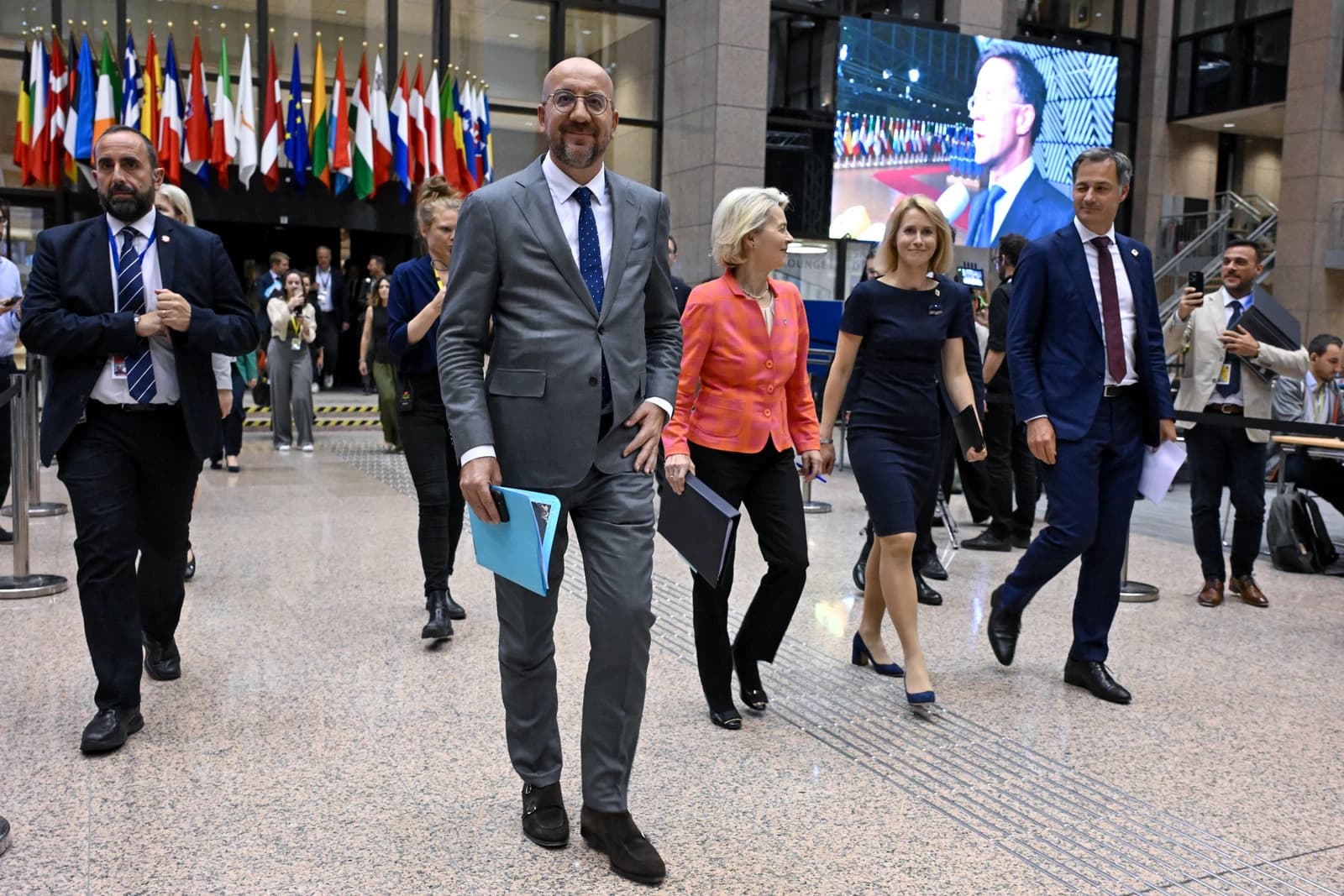
The EU delay highlights a familiar problem for policymakers: sanctions are easiest to announce and hardest to renew when national interests diverge. Some member states remain wary of hitting oligarchs and other politically sensitive targets, even as Kyiv and Washington press for tougher enforcement and broader coverage.
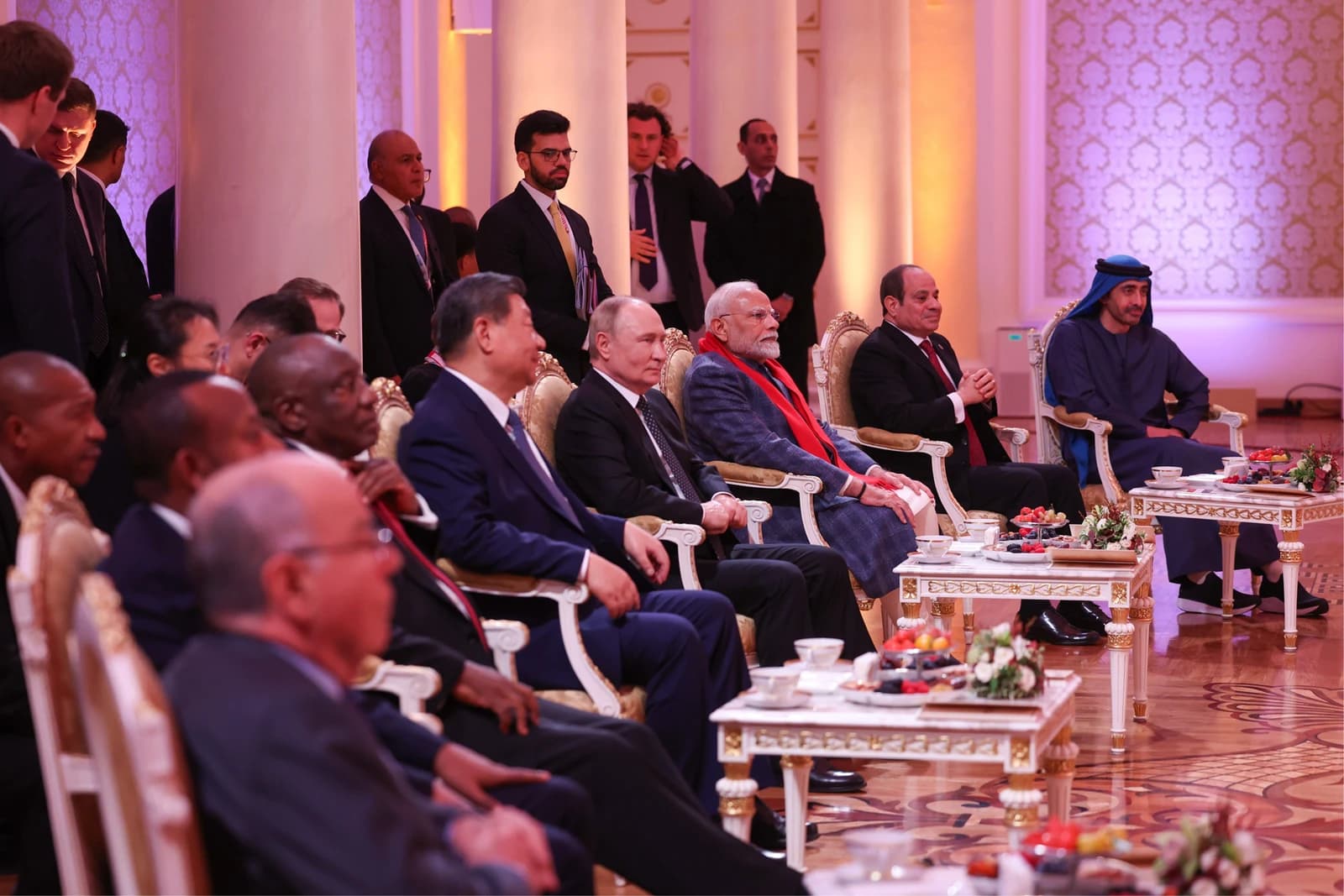
Russia’s pledge to answer the expansion of restrictions suggests the confrontation is not easing. The next catalyst is whether EU governments settle their internal dispute and renew the sanctions package without dilution, or whether Moscow uses the opening to widen pressure on European energy and financial interests.
| Entity | Gains | Losses |
|---|---|---|
| Russia | ▲Retaliatory leverage | ▼Sanction pressure |
| EU hawks | ▲Tighter sanctions push | ▼Bloc unity |
| Gold holders | ▲Safe-haven demand | ▼Risk-on trades |
| Energy bulls | ▲Geopolitical risk premium | ▼Sanctions relief hopes |