The European Union failed to seal its 21st sanctions package against Russia on Monday, but foreign policy chief Kaja Kallas said the bloc is “quite close” to a compromise as member states push to keep pressure on Moscow over the war in Ukraine.
EU Delays 21st Russia Sanctions Package
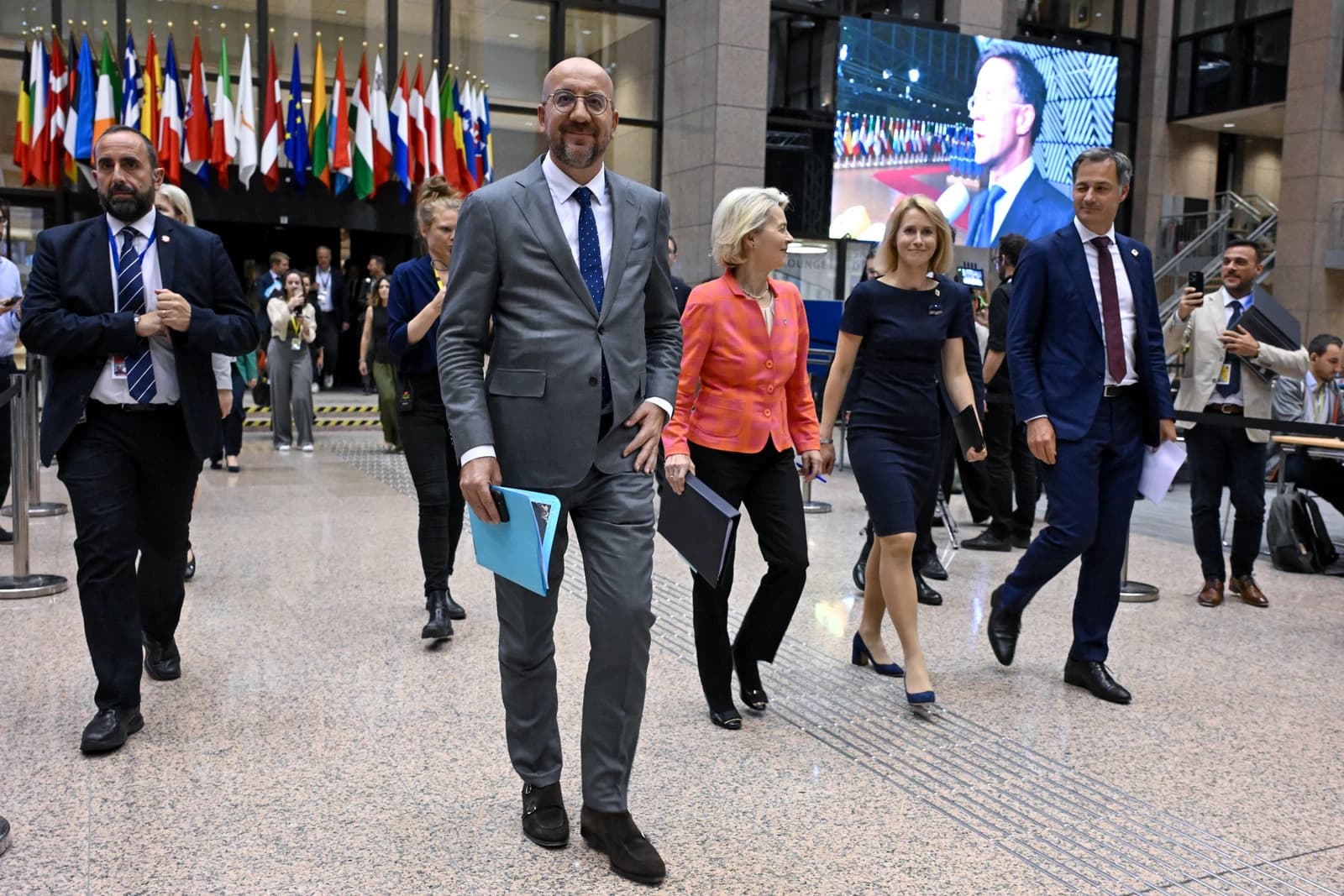
The delay matters because sanctions remain one of Brussels’ main economic levers against Russia, and the longer the bloc spends bargaining over each round, the more it exposes internal divisions over how far to go without worsening costs at home. Kallas said ministers still agreed on more than 250 individual sanctions, the largest such round since Russia’s full-scale invasion began, underscoring that the EU is still widening the net even as the broader package remains unfinished.
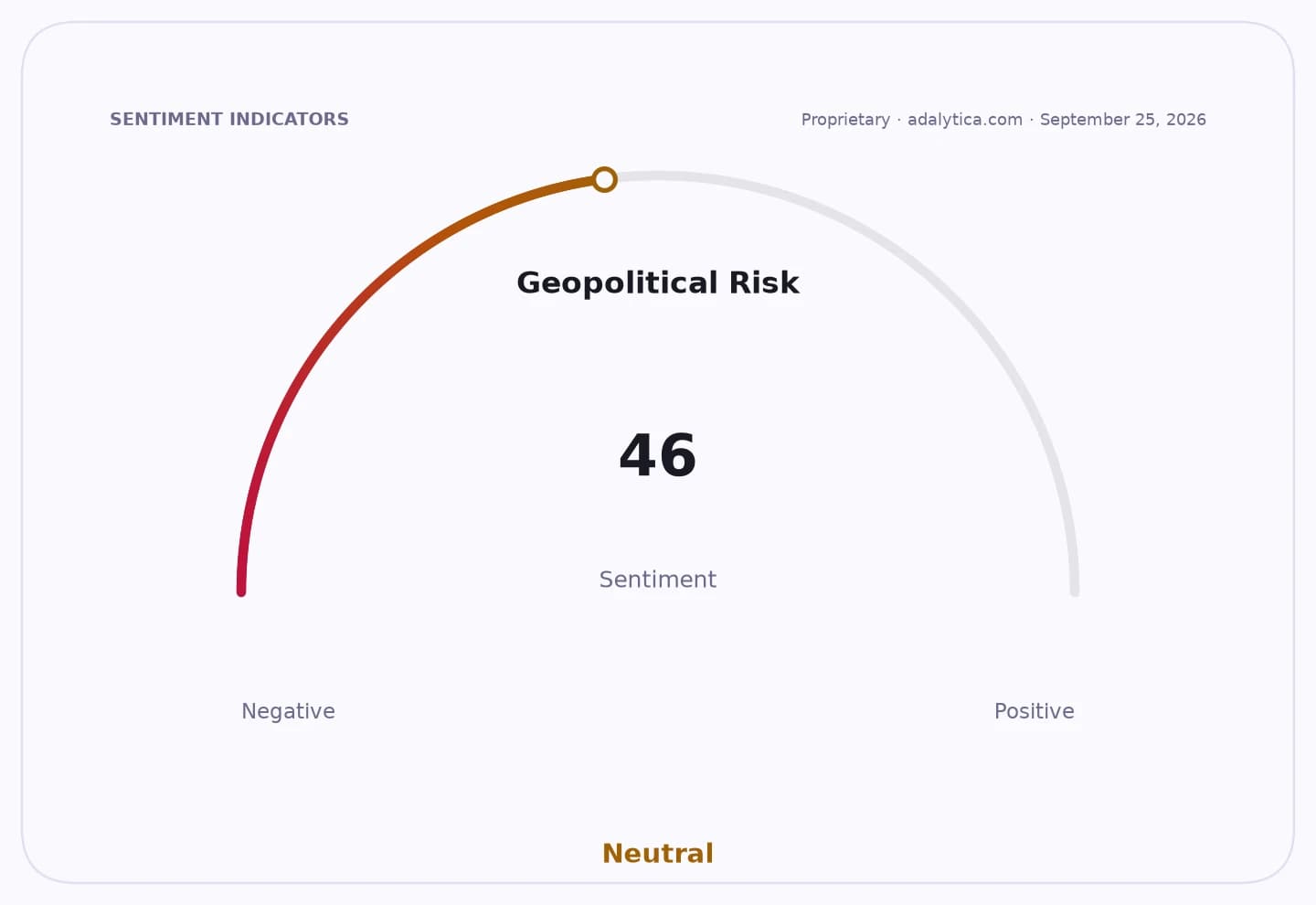
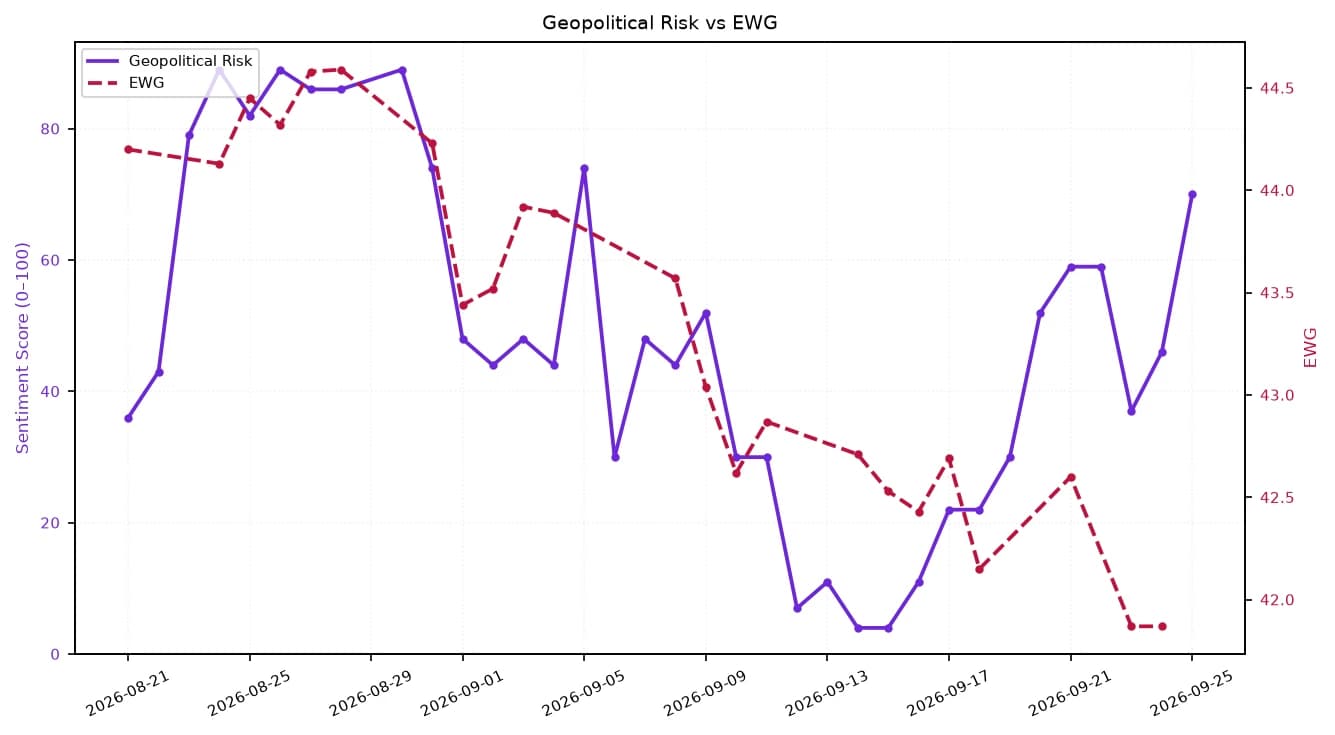
Sentiment IndicatorsⓘProprietary · adalytica.com · September 22, 2026
This is a snapshot — live sentiment, awareness and momentum for 130+ markets update continuously in the dashboard.Open AlphaPulse
For investors, the headline risk is less about immediate market dislocation than about the durability of Europe’s Russia policy and the potential for fresh restrictions on individuals, entities and potentially sectors tied to trade, finance and energy. Any tightening can ripple through European banks, commodity flows and companies with remaining exposure to Russia, while also reinforcing the bloc’s longer-term stance that sanctions will stay in place until there is a path to ending the war.
Kallas said the package has been altered during talks with member states, a reminder that unanimity in the EU often forces downscaling of the Commission’s initial proposals. She declined to spell out which measures may be dropped, but said the final text should retain its strength even after negotiation.
The political significance is bigger than the procedural delay. The EU is trying to show that fatigue over the war has not translated into a softening of sanctions, even as some governments face domestic pressure from higher energy costs and weaker growth. Kallas said stopping the war is the best outcome for Europe’s economy, but that would require sustained pressure on Moscow.
The next catalyst is whether diplomats can convert the near-agreement into a formal deal in the coming days, with the risk that further concessions dilute the package even if the bloc ultimately approves it.
| Entity | Gains | Losses |
|---|---|---|
| EU sanctions advocates | ▲Stronger pressure on Moscow | ▼Negotiating leverage as talks drag |
| Russia | ▲Limited immediate relief from new package | ▼More individual sanctions and isolation |
| EU member states | ▲Compromise on unity | ▼Higher political and economic friction |
| European companies with Russia exposure | ▲Clarity if deal passes | ▼Risk of tighter restrictions |