Venezuela’s oil industry is showing fresh signs of life as the country’s Petroleum Chamber says company membership has rebounded to about 500 from a low of 220 during the sector’s deepest crisis, a shift that matters because more private capital and more participants could help lift crude output in a market still constrained by sanctions, legal uncertainty and years of underinvestment.
Venezuela Oil Chamber Membership Rebounds to 500
Álvaro Pérez Díaz, president of the Cámara Petrolera de Venezuela, said the industry is entering a “renacimiento” or rebirth, with new competitors and financially stronger firms looking at opportunities in hydrocarbons. He said the sector’s reopening is already drawing companies that are updating their terms to assess participation in new projects.
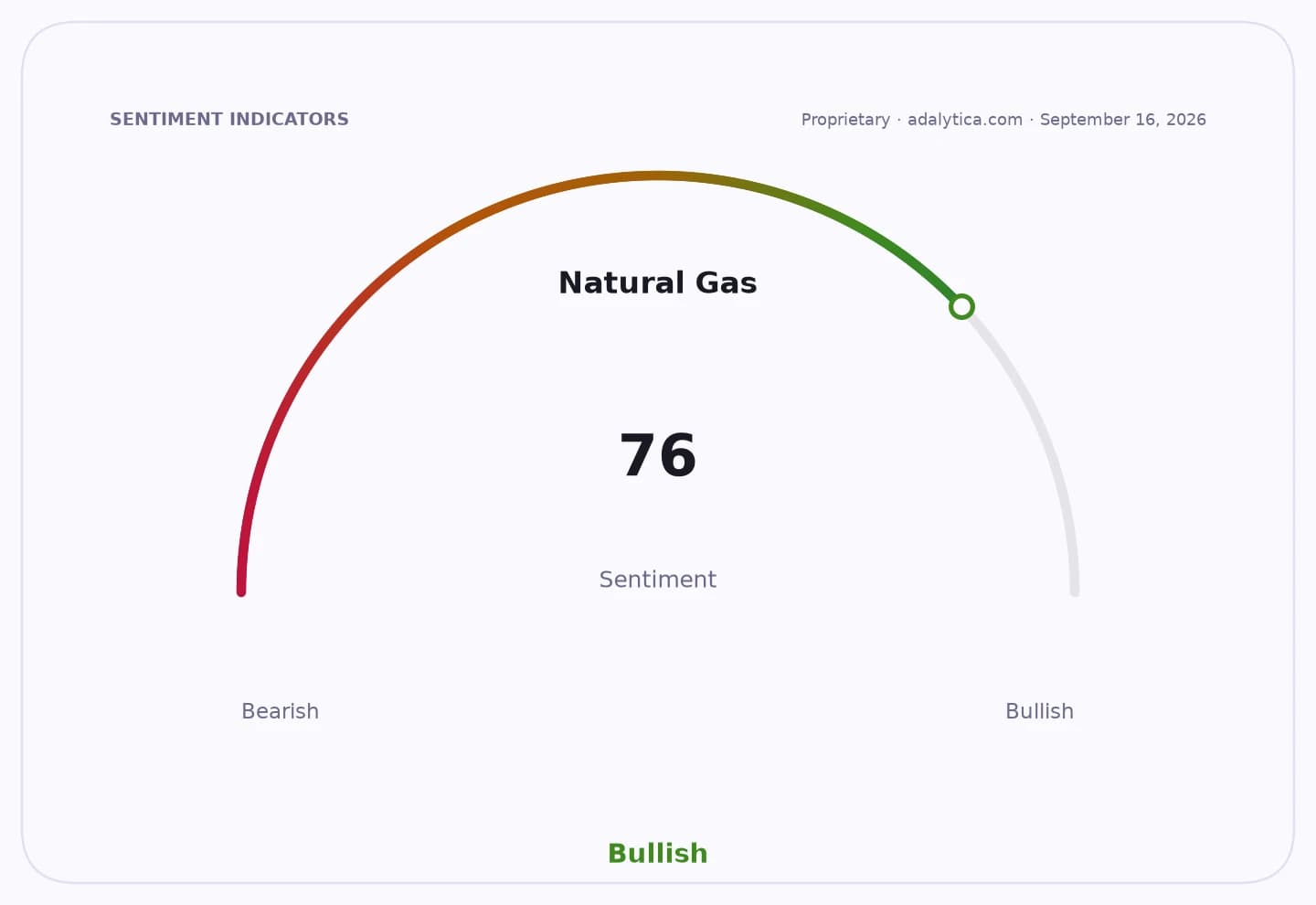
Sentiment IndicatorsⓘProprietary · adalytica.com · September 29, 2026
This is a snapshot — live sentiment, awareness and momentum for 130+ markets update continuously in the dashboard.Open AlphaPulse
The recovery narrative is being shaped less by rhetoric than by the return of commercial interest. A larger member base suggests suppliers, service firms and operators are preparing for more activity, which could translate into more drilling, infrastructure spending and eventually higher production at a time when Venezuela needs hard currency and the global oil market remains sensitive to supply disruptions.
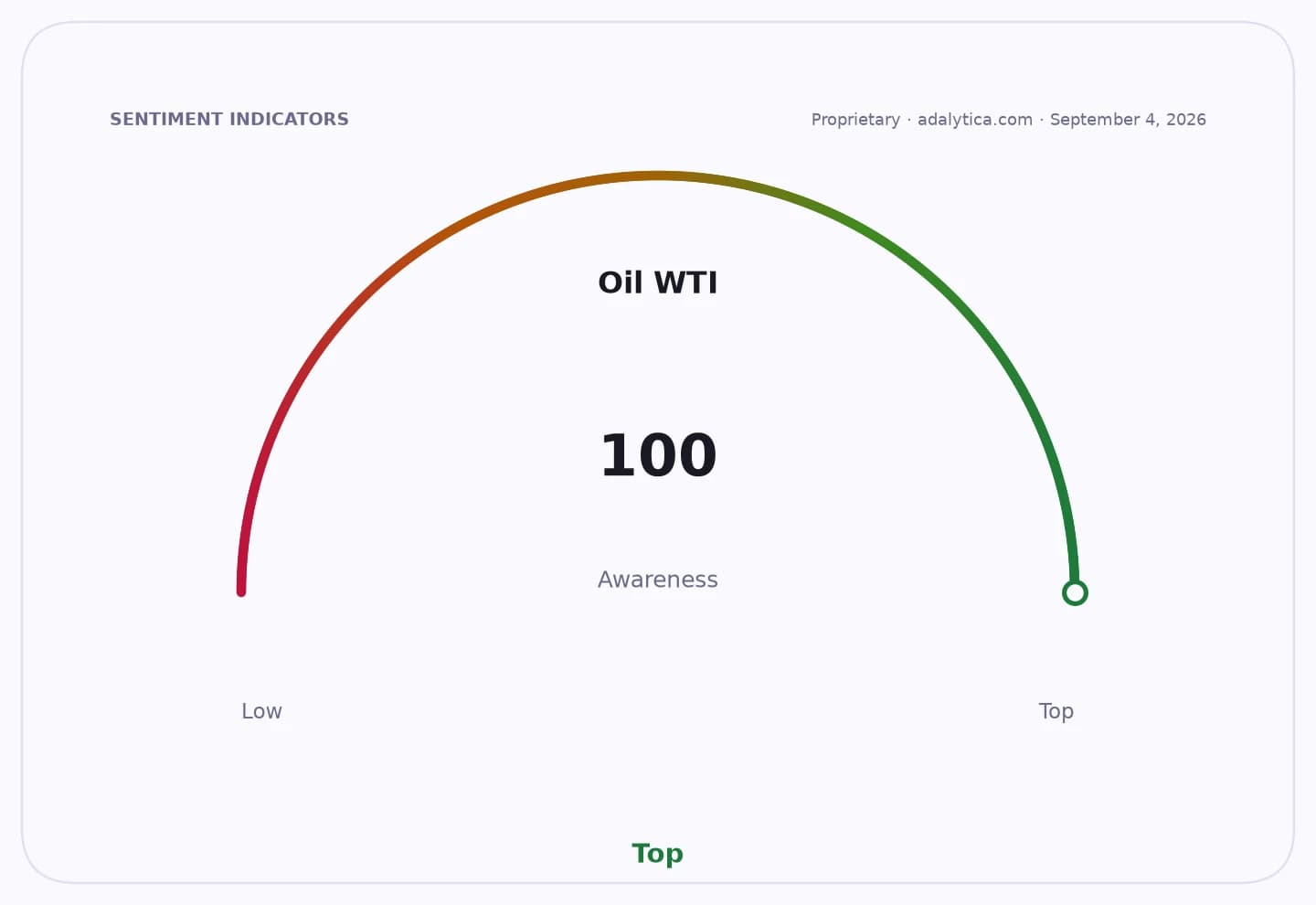
The chamber’s message also lands against a broader backdrop of firmer oil prices and renewed geopolitical risk. Brent-linked crude and U.S. oil benchmarks have remained elevated by market standards, while Adalytica’s oil trade signals show sentiment in the sector at 82, labeled “Greed,” even as awareness sits in “Fear,” underscoring that investors see opportunity but remain cautious about policy and geopolitical risk.
Pérez Díaz said reviews are still under way on changes to the Organic Hydrocarbons Law, including expropriation-related issues that remain unresolved. That legal backdrop is critical for investors because the willingness of foreign and local firms to commit capital will depend on contract security, payment terms and whether the government can provide a more predictable operating framework.
The chamber’s Zulia chapter is also organizing NEXO 2026, an energy forum scheduled for Oct. 14 in Maracaibo, with more than 1,000 attendees expected and exhibition space already sold out. For Venezuela’s oil patch, that is a practical signal that business interest is returning, even if the scale of any production recovery will depend on whether policy reform and capital inflows can outlast the current uptick in attention.
| Entity | Gains | Losses |
|---|---|---|
| Venezuelan oil firms | ▲More project access | ▼Continued policy risk |
| Foreign investors | ▲New entry opportunities | ▼Legal uncertainty |
| Oilfield service companies | ▲More contract demand | ▼Slow reform pace |
| Government revenues | ▲Higher output potential | ▼Less control over reopening |