Suriname’s coming offshore oil and gas buildout is forcing a broader economic conversation: how the country turns a resource windfall into lasting gains without repeating the mistakes that have left many producers exposed to boom-and-bust cycles.
Suriname offshore oil buildout raises policy challenge
Lim A Po’s call for “a different way of thinking” underscores a key investor issue around emerging oil provinces such as Suriname — whether institutions, education and governance can keep pace with capital-intensive development. For energy companies and service providers, the prize is access to a new frontier basin; for the country, the challenge is converting expected production into jobs, local capability and fiscal stability.
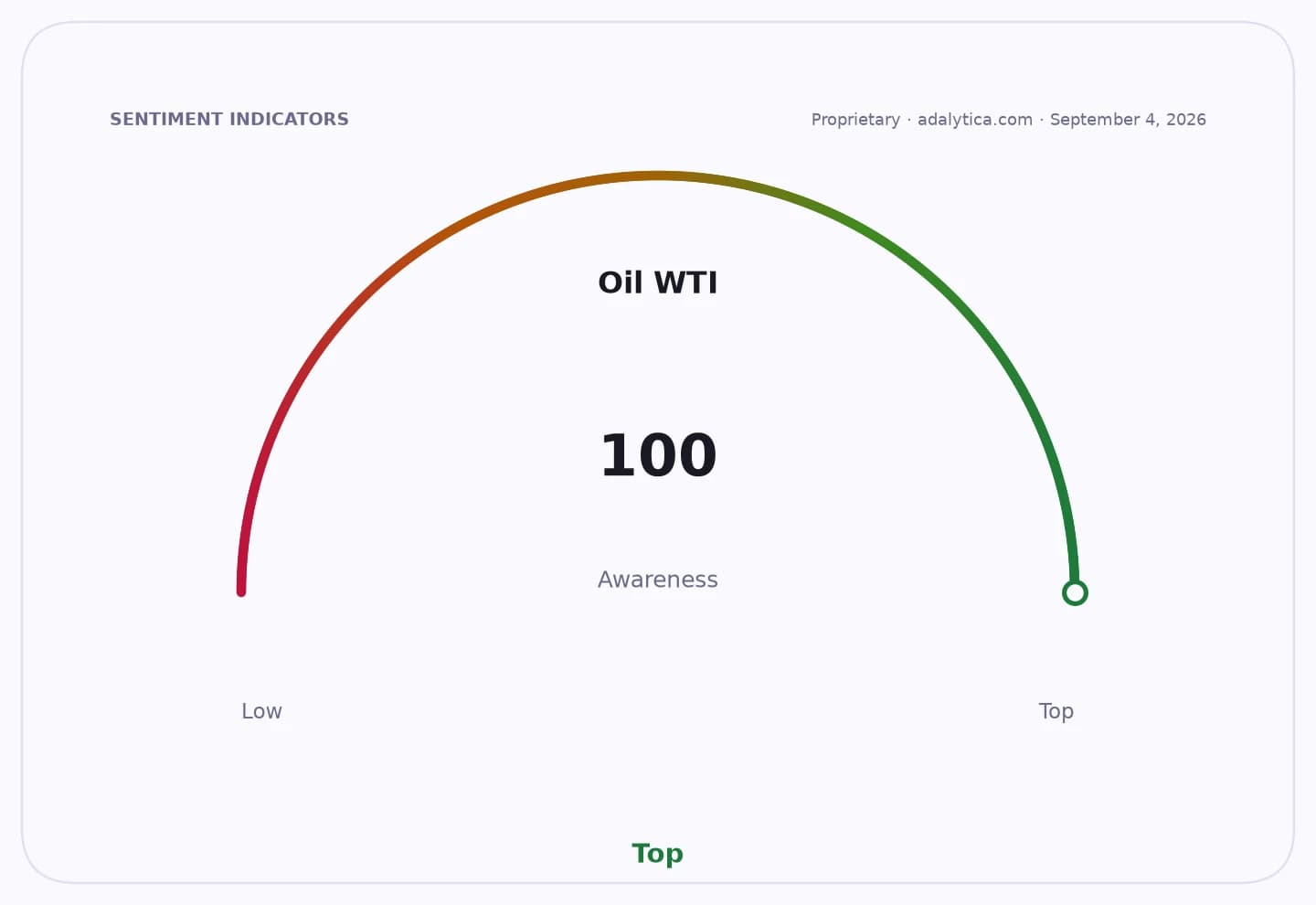
Sentiment IndicatorsⓘProprietary · adalytica.com · September 4, 2026
This is a snapshot — live sentiment, awareness and momentum for 130+ markets update continuously in the dashboard.Open AlphaPulse
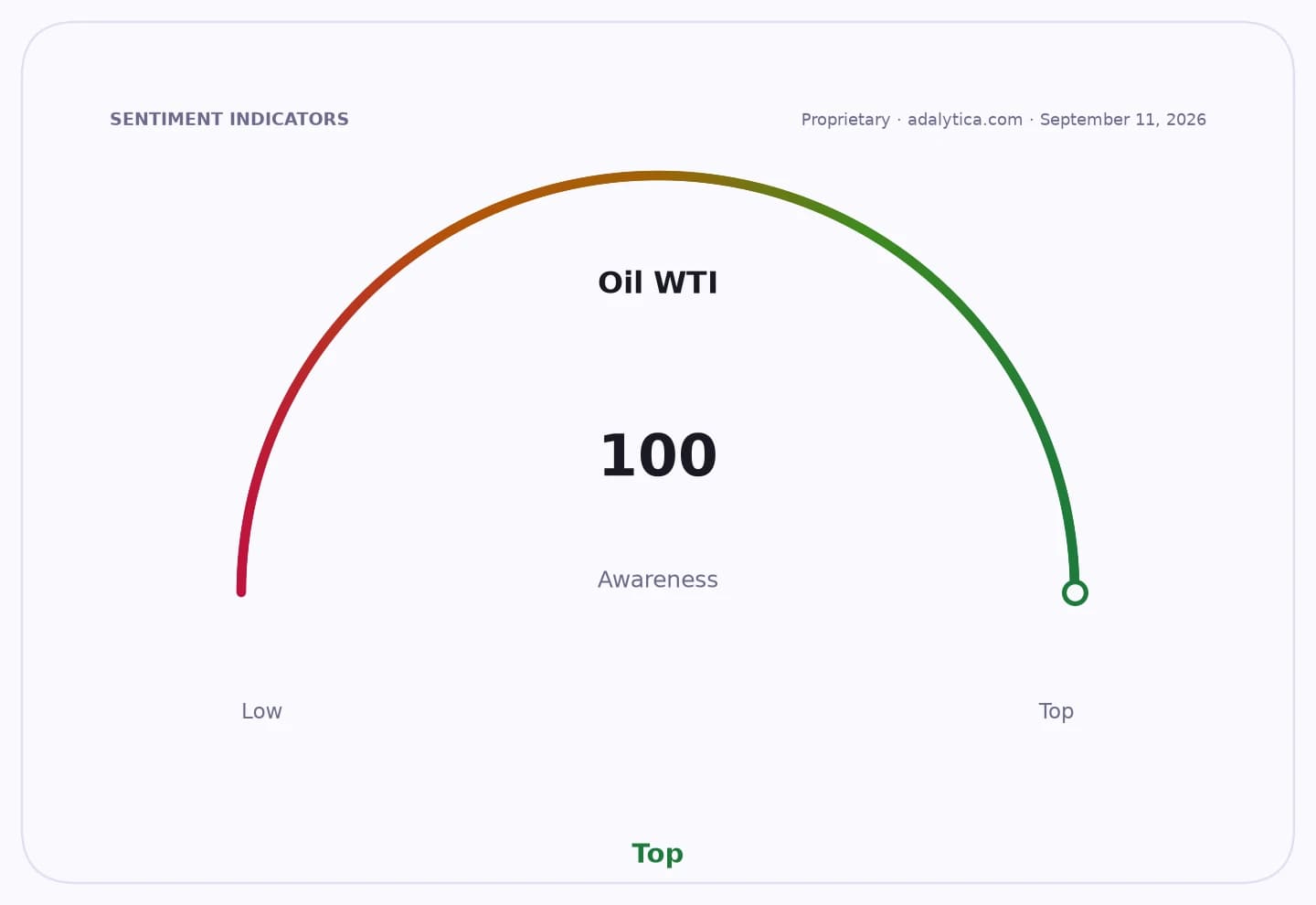
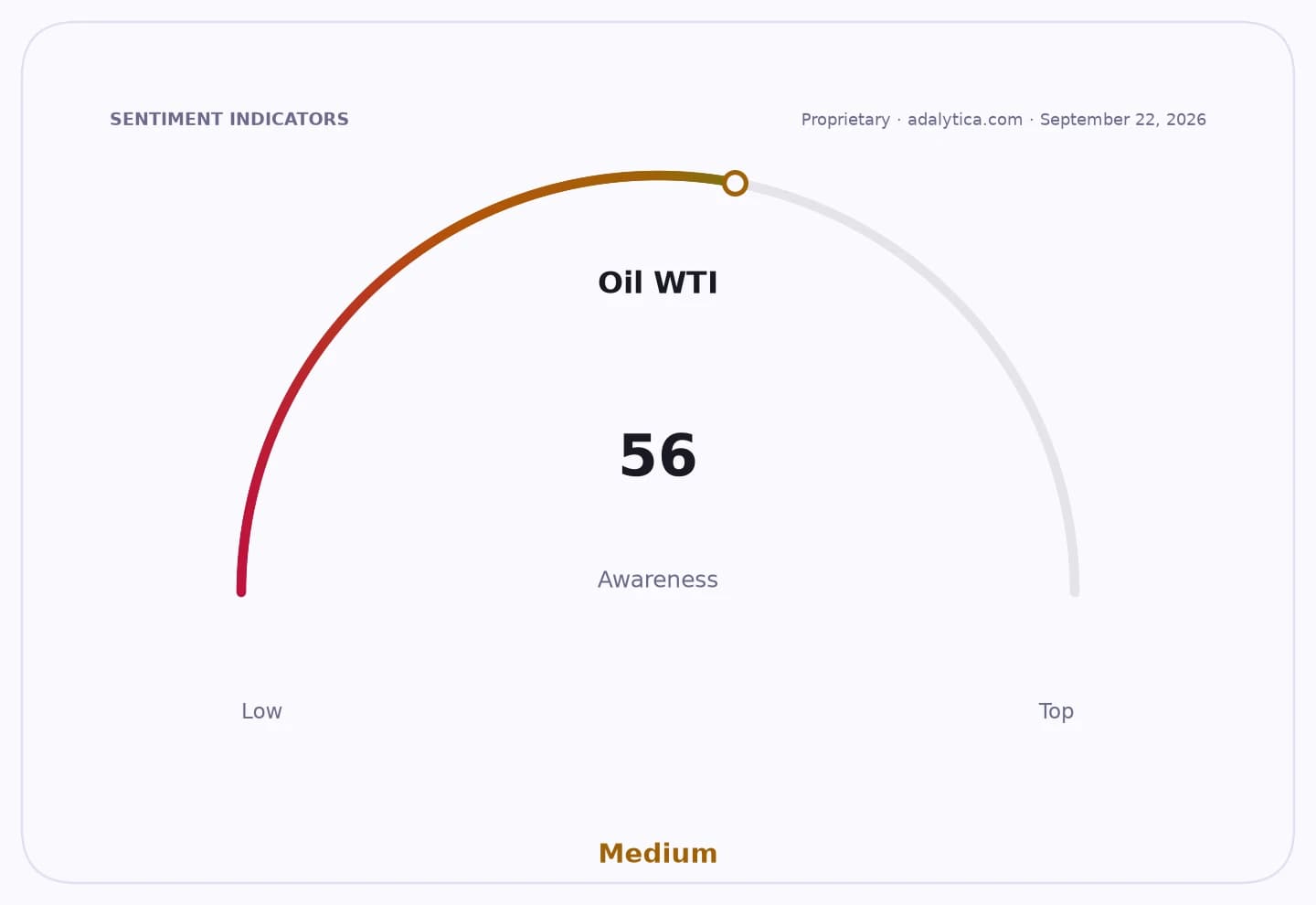
The timing matters because oil markets remain tight enough to keep upstream spending attractive even as crude prices swing sharply. U.S. benchmark WTI has rebounded to about $91.75 a barrel in the latest forecast, after dipping to $84.57 late last week, while the XLE energy ETF has climbed to $65.10 and oil explorers in the XOP are trading near $193, both reflecting renewed investor appetite for producers and drilling names.
That market backdrop is being reinforced by conventional technical indicators. USO, the oil ETF, closed at $141.15 on Sept. 2, above its 50-day moving average of $122.51 and 200-day average of $106.78, with RSI readings at 73.9, a sign of strong momentum. XLE and XOP are also well above their 50-day and 200-day averages, though the elevated RSI readings point to a stretched trade.
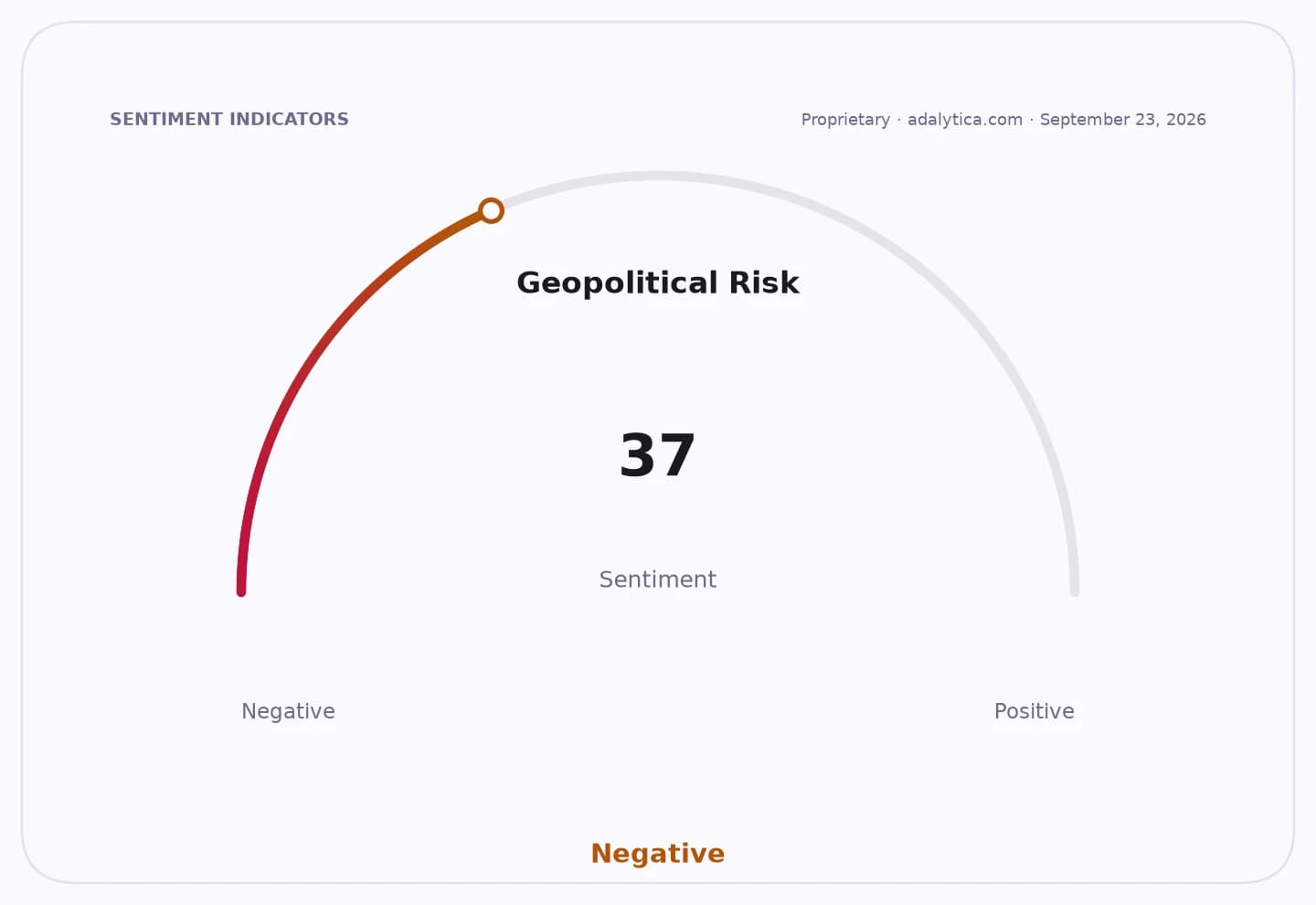
The policy and geopolitical backdrop is equally supportive. Libya’s parliament has approved a new oil agreement with the U.S. as it seeks to steady its fuel system, while Japan is looking to diversify crude supply beyond the Middle East and Kazakhstan is expanding pipeline capacity to move more Russian oil to China. Those shifts highlight how governments are racing to secure supply and attract investment as energy flows are reshaped.
For Suriname, the investment case will hinge on whether its political class and professional class can build the local framework around the resource. That means stronger institutions, better-trained workers and a clearer distribution of benefits, not just headline output growth.
The next catalyst is execution: offshore project development, fiscal terms and whether the country can translate resource expectations into a stable investment climate rather than a short-lived oil rush.
| Entity | Gains | Losses |
|---|---|---|
| Suriname government | ▲Future revenue base | ▼Policy credibility if mishandled |
| Offshore oil developers | ▲New frontier assets | ▼Higher political and execution risk |
| Local workforce and institutions | ▲Jobs, training, capacity | ▼If skills gap persists |
| Oil-importing economies | ▲More supply diversification | ▼If prices stay volatile |