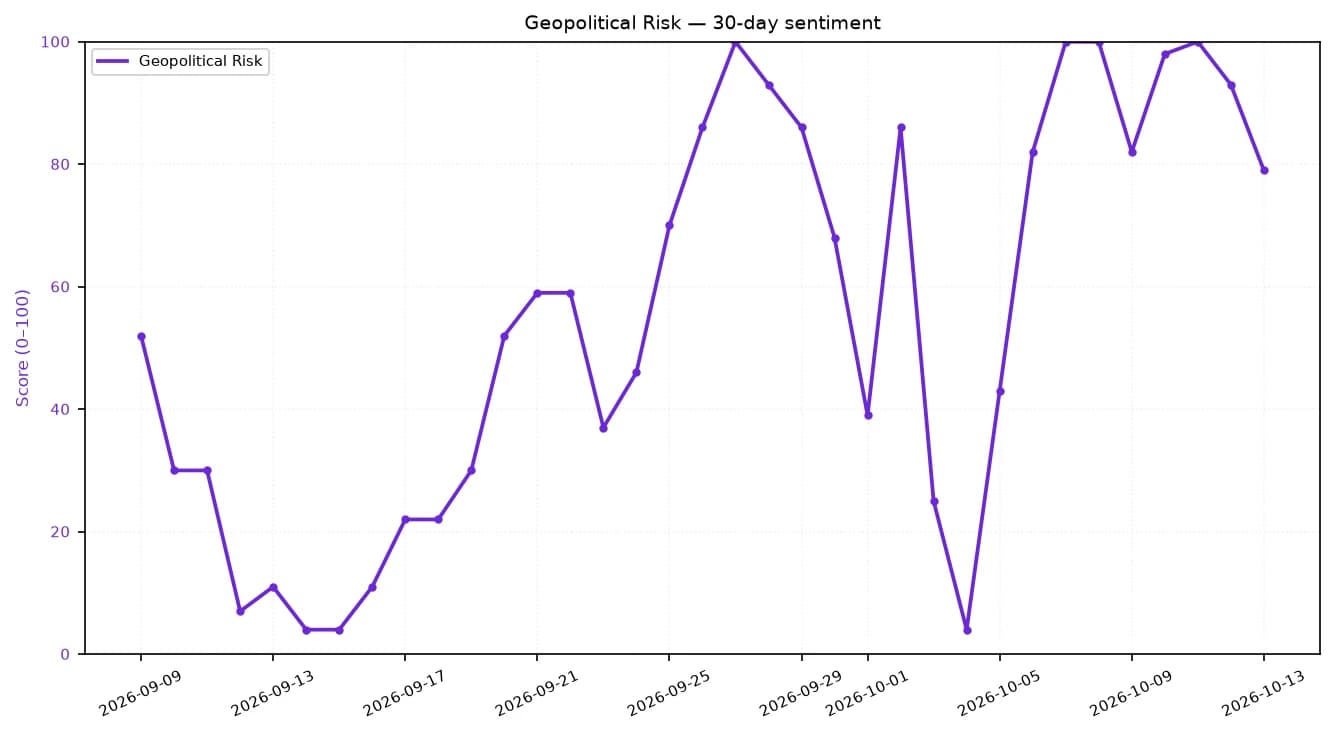
Brazil’s presidential runoff is turning into a policy auction, with Flávio Bolsonaro softening his stance on a 40-hour workweek while Luiz Inácio Lula da Silva promises debt forgiveness for 3.6 million small entrepreneurs in a bid to sway undecided voters before Sunday’s vote.
Brazil runoff: Bolsonaro backs 40-hour week, Lula offers debt relief
The shift matters because the race is effectively a dead heat and the next government will shape labor rules, credit conditions and the near-term outlook for domestic demand in Latin America’s largest economy. A fresh PoderData/AYA poll showed Bolsonaro ahead 48% to 46%, while Nexus/BTG put the contest at 48% versus 45% in guided responses, both within the margin of error.
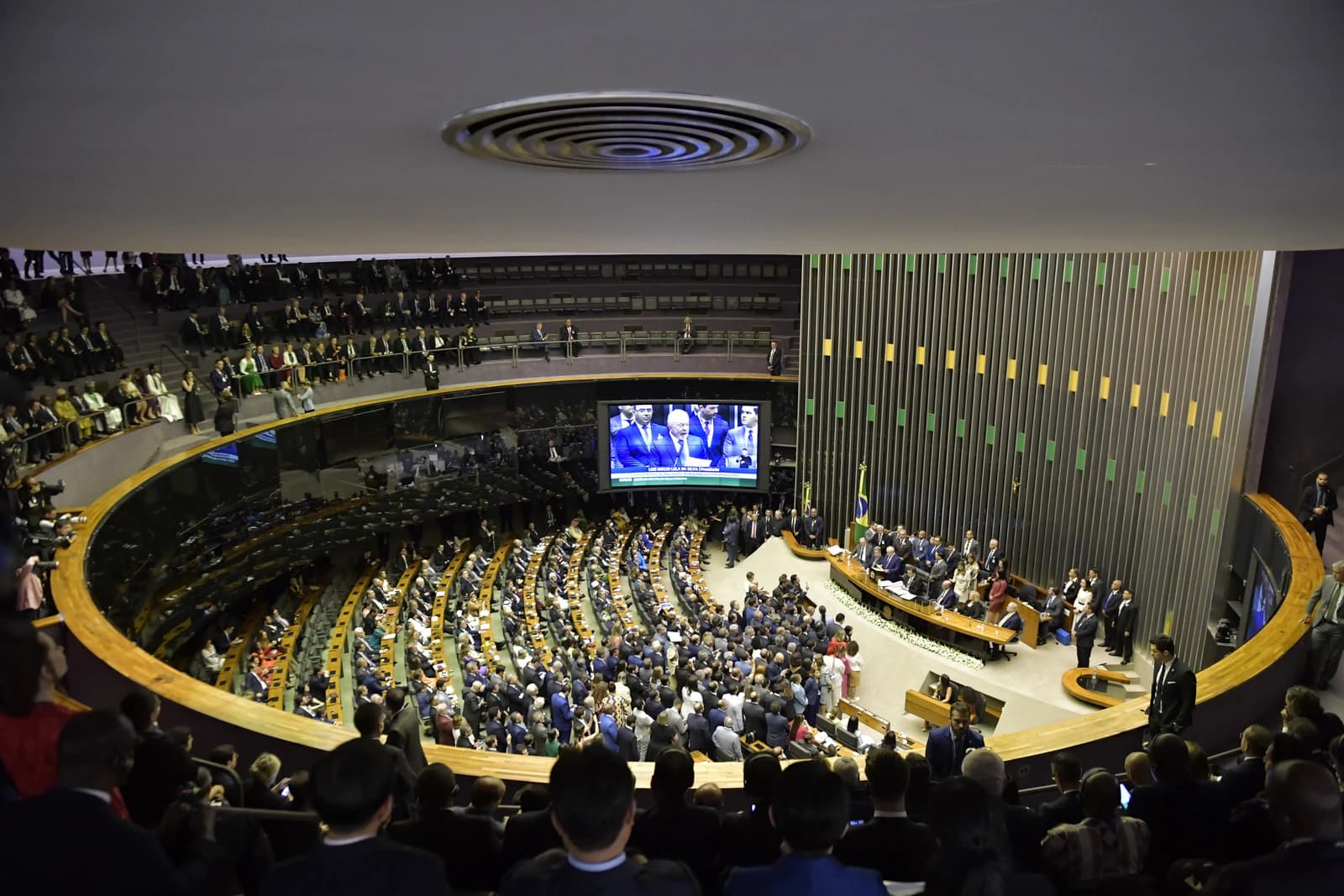
Sentiment IndicatorsⓘProprietary · adalytica.com · October 14, 2026
This is a snapshot — live sentiment, awareness and momentum for 130+ markets update continuously in the dashboard.Open AlphaPulse
Bolsonaro’s move is notable because the senator had been a fierce critic of the constitutional amendment to end Brazil’s six-day workweek. He now says he will back the measure, which would cap the workweek at 40 hours and five days, if only because his party wants to align with what he called the preference of most workers.
Lula is pairing that labor pitch with a more direct economic offer. He unveiled a package for micro and small businesses that includes low-interest loans with state guarantees and forgiveness of debts worth about 12.6 billion reais, or roughly $2.5 billion, affecting 3.6 million microentrepreneurs.
For investors, the immediate question is less who wins the rhetorical battle than what kind of policy mix emerges after the runoff. A Bolsonaro victory is being read by markets as potentially more business-friendly but still politically volatile, while a Lula win would likely keep pressure on fiscal policy and public spending even as it supports consumer demand and credit access.
The market has already priced in some of the election risk. The iShares Brazil ETF EWZ closed at $42.60 on Oct. 14, up sharply from $35.47 on July 29, with the fund trading well above its 50-day and 200-day moving averages. Petrobras ADRs rose to $25.94 from $25.42 two days earlier, while Vale ADRs slipped to $13.21, reflecting the broader split between domestic policy hopes and softer commodity-linked sentiment.
Technical readings also show stretched positioning ahead of the vote. EWZ’s RSI stood at 77.2, a level that typically points to overbought conditions, while Petrobras’ RSI hit 87.9, suggesting strong momentum but also heightened sensitivity to any poll surprise or policy shift.
The broader story is that both campaigns are now leaning into pocketbook politics as the runoff narrows. If the polls hold, investors should expect a tighter race, more market volatility and a fast repricing of Brazilian assets around labor policy, credit support and fiscal discipline once the result is clear.
| Entity | Gains | Losses |
|---|---|---|
| Lula’s campaign | ▲Small-business voters | ▼Fiscal conservatives |
| Bolsonaro/PL | ▲Workers backing labor reform | ▼Hardline anti-reform image |
| Brazilian microentrepreneurs | ▲Debt relief and cheap credit | ▼Debt burden |
| EWZ/Petrobras bulls | ▲Election upside trade | ▼Overbought positioning |