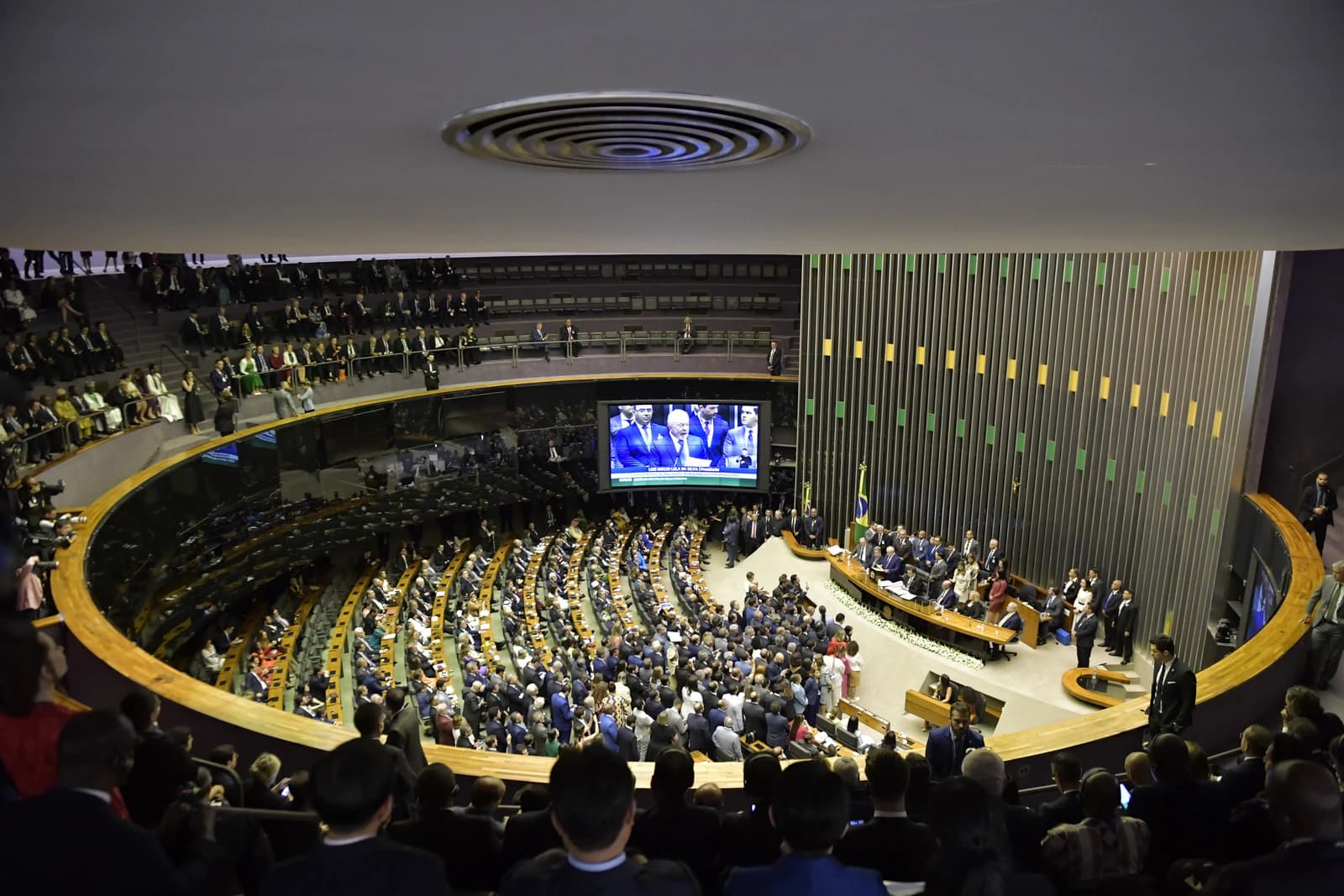
Brazil’s government is moving to ease a key pressure point in the economy by offering debt forgiveness and low-cost credit to 3.6 million microentrepreneurs, a bid to support small-business cash flow, curb defaults and buttress household spending ahead of a politically charged period.
Brazil microentrepreneurs debt relief and low-cost credit
The proposal matters because Brazil’s micro and small firms sit at the junction of employment, consumption and bank credit. When they are squeezed, lenders see higher delinquency risk, workers lose income and the broader retail economy weakens. By targeting overdue obligations and new lending at lower rates, President Luiz Inácio Lula da Silva is trying to prevent a wave of financial stress from feeding into slower growth.
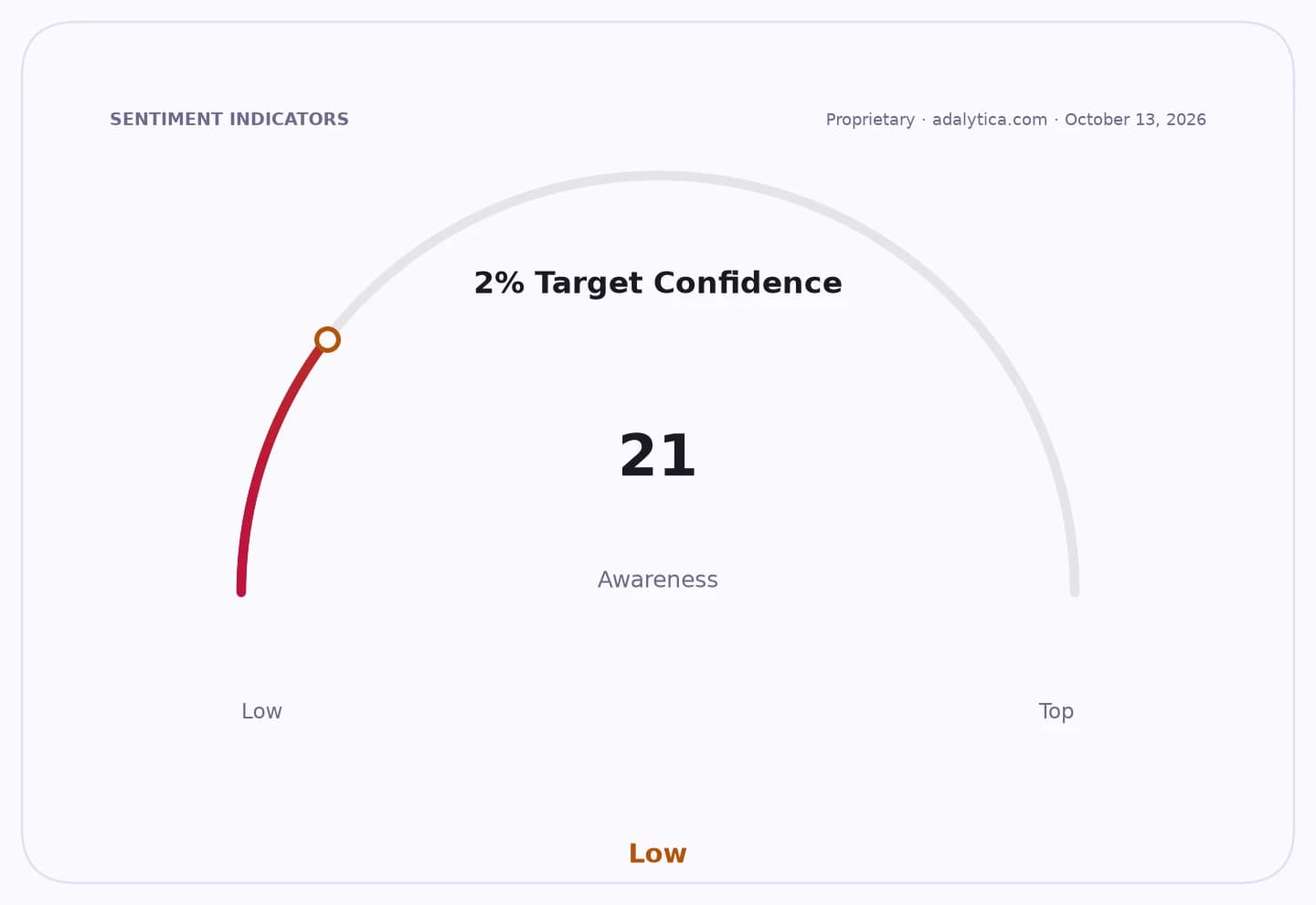
Sentiment IndicatorsⓘProprietary · adalytica.com · October 14, 2026
This is a snapshot — live sentiment, awareness and momentum for 130+ markets update continuously in the dashboard.Open AlphaPulse
The plan also has clear fiscal and market implications. Debt relief can improve survival rates for the smallest businesses, but it can also encourage lenders and borrowers to assume future rescues are possible, raising questions about moral hazard. For banks, the measure could reduce near-term repayment pressure on the riskiest slice of consumer and microcredit portfolios even as it complicates pricing and underwriting discipline. That makes the policy relevant for the country’s largest lenders, including Itaú Unibanco, Bradesco and Banco do Brasil, which have spent years tightening credit risk controls.
Brazil’s equity market is already reflecting a more optimistic view on domestic demand. EWZ, the iShares MSCI Brazil ETF, has climbed to around $42.87, above both its 50-day and 200-day moving averages, with an RSI in the mid-70s, a sign the rally has been strong but also somewhat stretched. The smaller EWZS fund, which tracks Brazilian small caps more closely, has surged to $16.31 after a sharp October run, suggesting investors are positioning for a better local growth backdrop and stronger earnings from domestically oriented businesses.
The currency backdrop is less straightforward. The real has been trading around 5.03 per dollar, little changed near the latest levels, leaving policymakers with limited room to stimulate growth without risking imported inflation. That tension is important for the central bank and for any lender extending cheaper credit in a higher-rate environment.
The broader economic case for the measure is straightforward: if microentrepreneurs can refinance or clear overdue debts, they may preserve payrolls, restock inventories and keep spending flowing through neighborhoods and local services. The bull case is that this becomes a targeted demand-support measure without a large fiscal bill if repayment capacity improves. The bear case is that it merely postpones stress, especially if rates remain elevated and the relief is not paired with stronger productivity or formalization gains.
For investors, the key question is whether Lula’s initiative marks a one-off political gesture or the start of a more durable credit-support framework. If the government leans further into subsidized lending, beneficiaries could include domestic banks with strong deposit franchises and companies tied to Brazil’s consumer cycle. If defaults fall and consumption holds up, the policy could help extend the recent rally in Brazilian assets. If not, lenders may end up carrying more political risk with limited economic payoff.
| Entity | Gains | Losses |
|---|---|---|
| Microentrepreneurs | ▲Debt relief, cheaper credit | ▼Future moral hazard scrutiny |
| Brazilian banks | ▲Potentially lower near-term delinquencies | ▼Margin pressure, policy risk |
| Domestic retailers | ▲Stronger small-business spending | ▼— |
| Treasury/fiscal balance | ▲— | ▼Higher contingent liabilities |