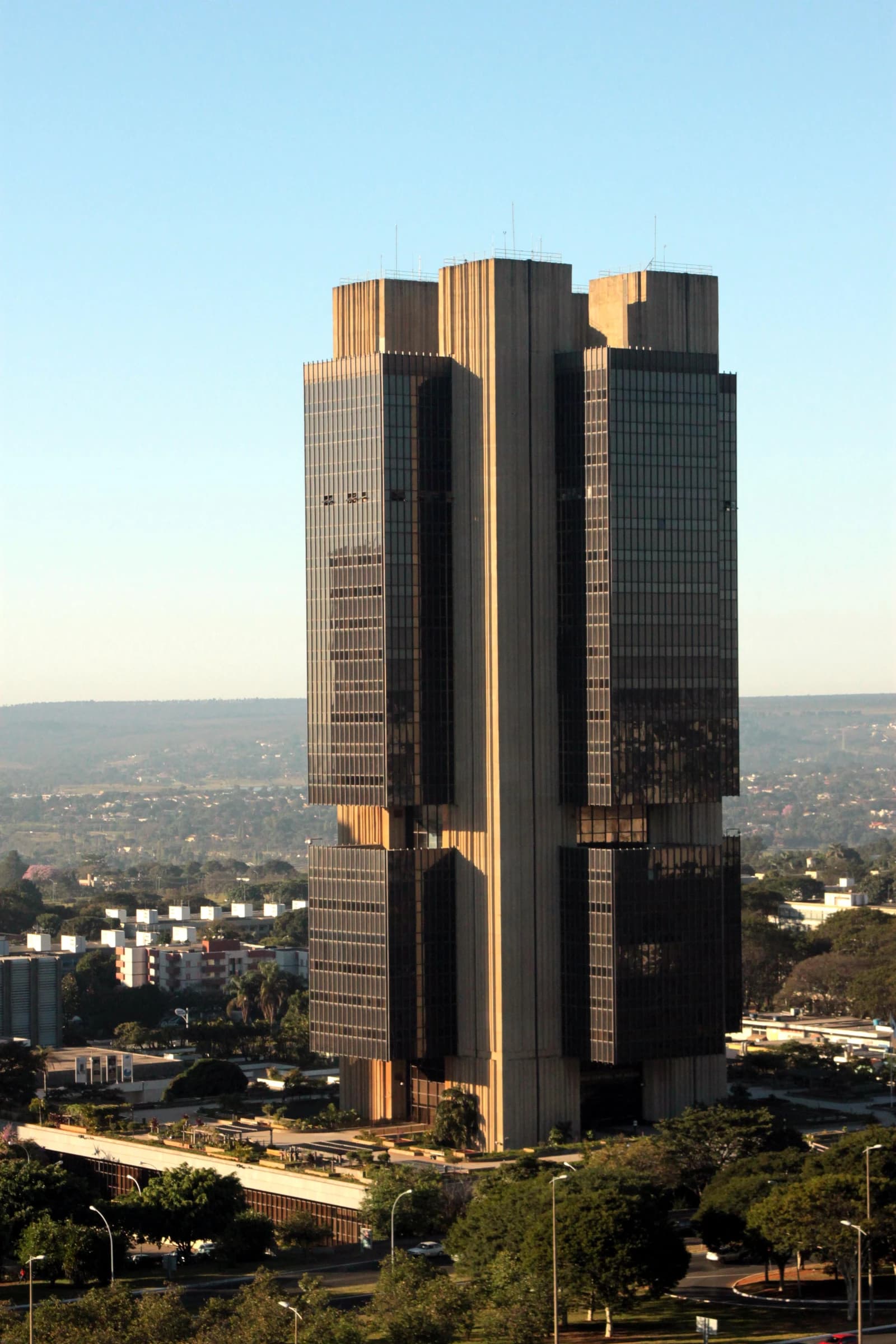
Brazil’s central bank said R$5.79 billion in forgotten cash is still sitting in banks and other financial institutions, a reminder that a large pool of dormant balances can still be tapped by households, companies and, increasingly, the state itself.
Brazil Central Bank Says R$5.79 Billion Remains Unclaimed
That matters because these are real funds tied up outside the economy’s productive flow. Some R$4.31 billion belongs to 23.94 million individuals and another R$1.48 billion to 2.36 million companies, underscoring how widespread the problem is. For consumers, the money is a windfall that can help with bills, debt repayment or savings. For banks and policymakers, it is another example of liquidity that is technically in the system but not actively circulating.
Sentiment IndicatorsⓘProprietary · adalytica.com · October 13, 2026
This is a snapshot — live sentiment, awareness and momentum for 130+ markets update continuously in the dashboard.Open AlphaPulse
The bigger story, though, is that the pot has shrunk sharply after Brasília moved part of it to help finance Desenrola 2.0, the government’s debt renegotiation effort. The central bank said the total was R$10.6 billion in March and R$6.2 billion in May before falling to the latest R$5.79 billion balance. About R$5.7 billion was transferred at the end of May to the FGO guarantee fund, with 10% reserved for possible future claims, showing how unclaimed deposits have become a fiscal resource as well as a consumer one.
That is why the issue matters beyond a simple search-for-your-money headline. The transfer has drawn scrutiny from Brazil’s audit court, which is examining the use of off-budget resources to fund federal programs. Investors should pay attention because the episode highlights a broader policy risk: when governments reach for dormant financial assets to support spending or credit schemes, questions over fiscal transparency, legal safeguards and creditor confidence tend to follow.
For banks, the immediate impact is limited, but the story reinforces a broader theme in emerging markets: idle liabilities can be turned into policy tools when public finances are tight. For lenders, that can mean more guarantees and potentially more lending support. For bondholders and currency investors, it also means closer attention to whether such measures are a one-off administrative sweep or part of a wider pattern of quasi-fiscal financing.
The practical takeaway is straightforward: individuals and companies should check the Banco Central’s official Sistema de Valores a Receber, where claims can be made for free, including for deceased relatives through legal representatives. For investors, the more important lesson is that Brazil’s policymakers are still willing to mine the balance sheets of the financial system for funding, and that keeps the fiscal backdrop worth watching.
| Entity | Gains | Losses |
|---|---|---|
| Households and firms | ▲Can reclaim forgotten cash | ▼Miss out if they never check |
| Brazilian government | ▲Gains a funding source for debt relief | ▼Faces fiscal scrutiny |
| Banks | ▲Avoid long-term customer liabilities | ▼Lose access to dormant balances |
| Taxpayers/bondholders | ▲May benefit from credit support | ▼Risk weaker fiscal transparency |