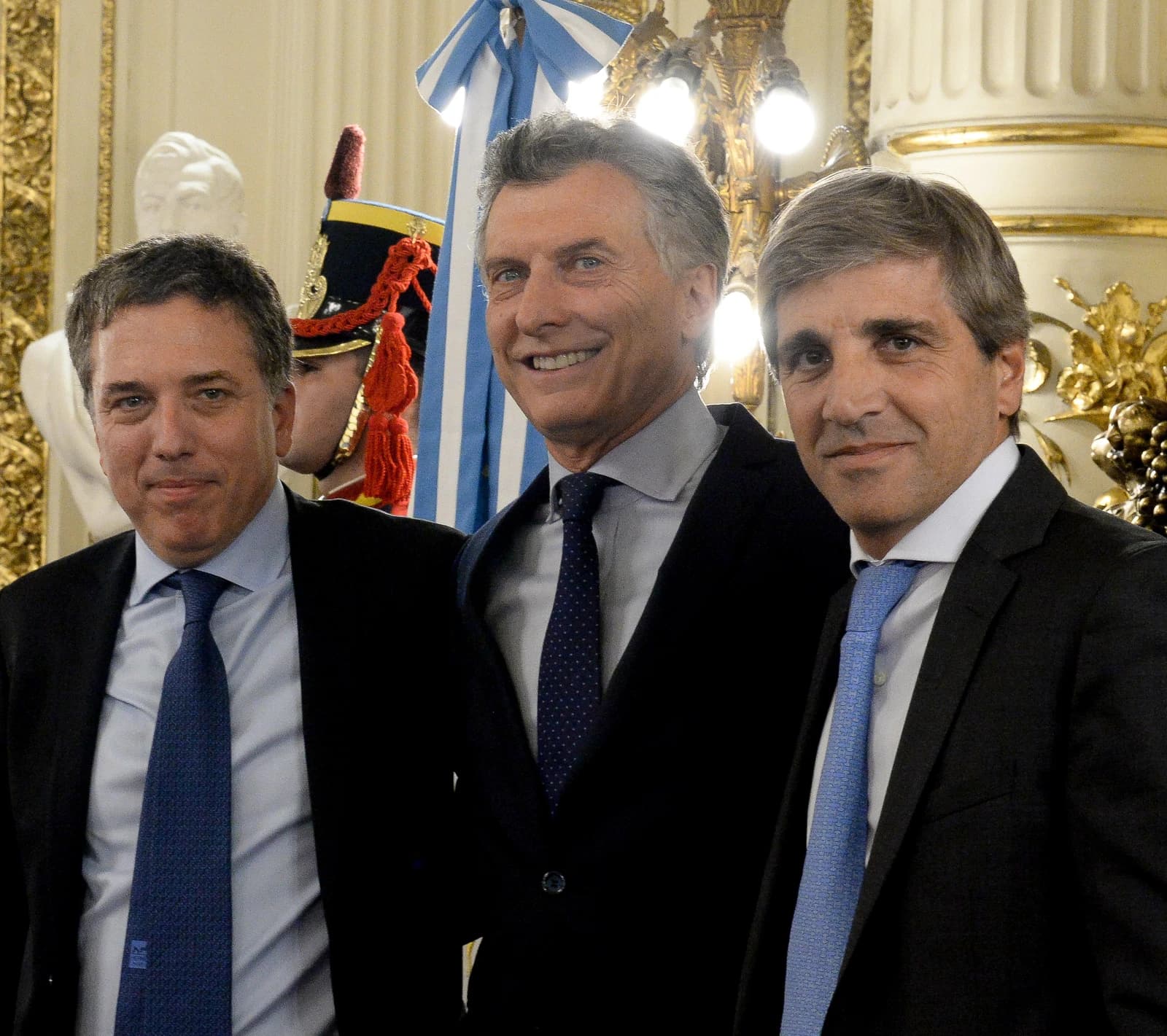
The International Monetary Fund has given Argentina’s economy minister, Luis Caputo, a political lift but not the dollars he needs, leaving President Javier Milei’s stabilization plan exposed to a near-term funding gap of about $900 million.
Argentina IMF Meeting Leaves $900M Funding Gap
That is the economically important part of the story. An “excellent” meeting with IMF chief Kristalina Georgieva may help keep the program alive on paper, but approval without disbursement means Argentina still has to bridge a cash need while trying to preserve exchange-rate stability, rebuild reserves and maintain credibility with investors. In a country where confidence is the most fragile asset, the absence of a transfer matters more than the endorsement.
Sentiment IndicatorsⓘProprietary · adalytica.com · October 13, 2026
This is a snapshot — live sentiment, awareness and momentum for 130+ markets update continuously in the dashboard.Open AlphaPulse
For markets, the distinction is critical. Argentina’s reform trade has always depended on financing as much as policy, and the IMF’s willingness to praise Caputo without wiring funds suggests negotiations are still open over performance targets, timing or safeguards. Until the money lands, the government remains forced to lean on tighter fiscal policy, scarce reserves and continued official support to avoid renewed pressure on the peso and sovereign risk premia.
The market’s reaction has reflected that uncertainty. Argentina-focused ETF ARGT has been trading below both its 50-day and 200-day moving averages, with the latest close at 88.67, underscoring that investors are still discounting execution risk. Broader emerging-market exposure has been steadier, with EEM holding above its 200-day average, but Argentina remains a special case: the thesis depends on external financing arriving before patience runs out.
That is why the IMF meeting matters beyond Buenos Aires. The fund is signaling conditional support for Milei’s adjustment package at a moment when the global backdrop is already hostile to risky borrowers, with higher debt burdens, geopolitical shocks and a stronger dollar backdrop complicating refinancing for emerging markets. If the Fund eventually releases the $900 million, it would buy time and likely support Argentine assets. If it does not, the government will have to prove it can sustain the program with less room for error.
Investors should read this as a timing issue, not a thesis break. The long trade in Argentina still rests on disinflation, fiscal repair and eventual re-rating if policy holds. But until the IMF converts approval into cash, this remains a highly levered, event-driven market where the next disbursement is the catalyst that matters most.
| Entity | Gains | Losses |
|---|---|---|
| IMF | ▲Policy leverage | ▼Credibility if delays persist |
| Caputo / Milei government | ▲Public endorsement | ▼Immediate dollar relief |
| Argentine bonds / ARGT bulls | ▲Future disbursement optionality | ▼Near-term financing uncertainty |
| Peso / reserves | ▲Possible support if funds arrive | ▼Ongoing pressure without cash |