Argentina’s inflation rate ticked higher in September, but the bigger market story is that President Javier Milei’s disinflation drive is holding below 2% even as the economy slows and the IMF cuts growth forecasts, sharpening the trade-off between price stability and activity.
Argentina Inflation Rises to 1.9% in September
Consumer prices rose 1.9% in September from August’s 1.7%, according to the national statistics agency, keeping monthly inflation below 2% for a second straight month and well down from the 161% annual pace when Milei took office in December 2023. On a yearly basis, inflation stood at 33.4%, broadly unchanged from recent months, underscoring how the pace of price gains has stabilized after the sharp deceleration of the past year.
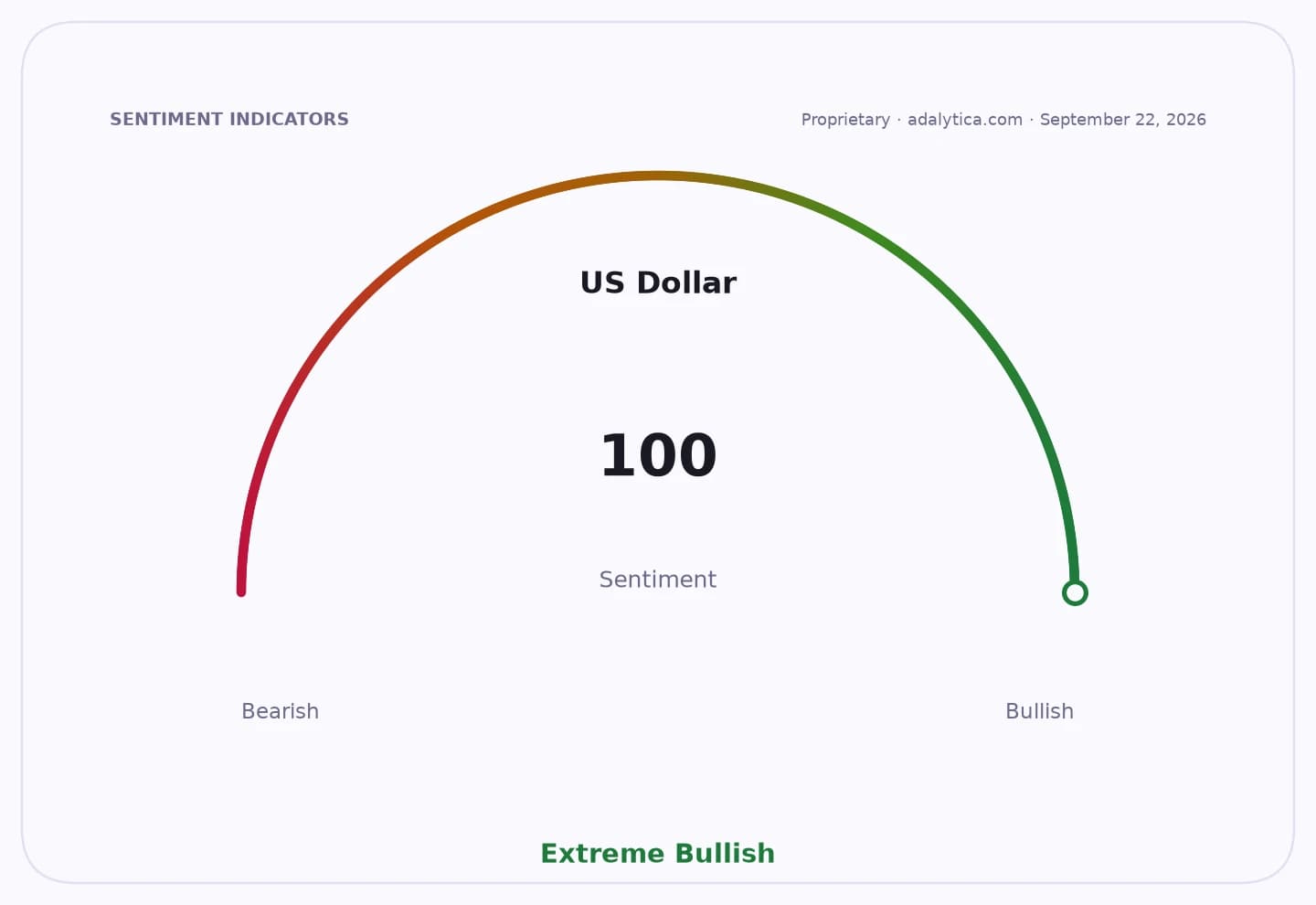
Sentiment IndicatorsⓘProprietary · adalytica.com · October 14, 2026
This is a snapshot — live sentiment, awareness and momentum for 130+ markets update continuously in the dashboard.Open AlphaPulse
That stability matters because Argentina’s disinflation has become the flagship achievement of Milei’s austerity program. But the same policies that have reduced inflation have also squeezed domestic demand, with the government’s fiscal retrenchment and cuts to subsidies weighing on consumption, employment and activity. The September pickup reflected, in part, higher costs for water, electricity and gas as subsidies were pared back further.
For investors, the key question is whether Argentina can keep inflation near current levels without tipping the economy into a deeper slowdown. The IMF’s latest outlook suggests that balance is getting harder to maintain. It cut its 2026 growth forecast for Argentina to 2.1% from 3.5% in July, citing weaker third-quarter activity and a softening of domestic demand amid still-restrictive financial conditions. The fund expects a pickup later in the year, but the downgrade reinforces concerns that the anti-inflation shock is arriving alongside a weaker labor market and a more fragile consumer.
The growth downgrade also carries implications beyond Argentina’s borders. A slower economy could dampen earnings for companies with exposure to local spending, while the persistence of relatively low monthly inflation may support assets tied to reform progress if investors conclude Milei is preserving macro stability. But if tightening continues to bite and political support erodes, the same stabilization could lose credibility if growth and employment deteriorate too far.
For now, September’s reading suggests Argentina is still winning the inflation battle, but at an economic cost that is becoming harder for policymakers, businesses and investors to ignore. The next test is whether inflation can remain subdued as the economy absorbs further subsidy cuts and the IMF’s weaker growth scenario starts to look more like the baseline.
| Entity | Gains | Losses |
|---|---|---|
| Milei government | ▲Disinflation credibility | ▼Growth and jobs |
| Consumers | ▲Slower price increases | ▼Lower purchasing power |
| Argentina equities | ▲Policy-stability narrative | ▼Domestic-demand exposure |
| IMF | ▲Validation of caution | ▼Confidence in 2026 growth |