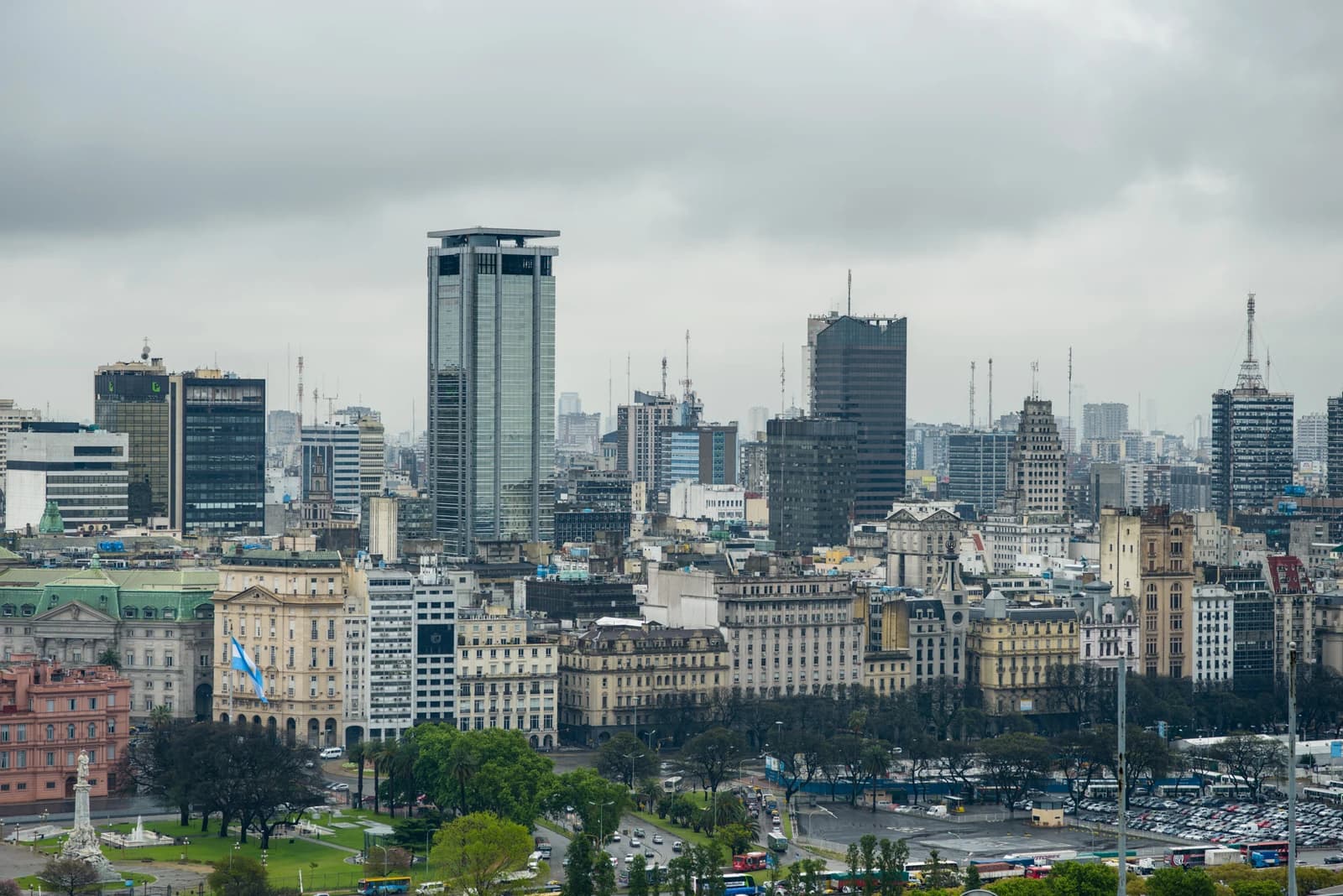
Buenos Aires is moving to issue up to 600 billion pesos of local-currency bonds to pay suppliers and ease pressure on its budget, a sign that slowing revenue is forcing even one of Argentina’s wealthiest cities to stretch out obligations instead of settling them in cash.
Buenos Aires Seeks 600 Billion Peso Bond Plan
The plan matters because it shows how quickly weaker economic activity is filtering into public finances. The city government says collections, especially from the business tax known as Ingresos Brutos, are falling enough to justify a bond-financed supplier settlement program tied to its 2027 budget. For investors, that is a reminder that Argentina’s downturn is not only a sovereign story — it is hitting provincial and municipal balance sheets, too.
Jorge Macri’s administration is asking the Buenos Aires legislature for authority to issue pesos-denominated notes with a minimum maturity of one year and a reference rate linked to the central bank’s TAMAR benchmark. Officials say the securities would be used to cancel outstanding obligations to companies that provide goods, services and public works, while preserving the city’s ability to keep operating and fund projects already contracted.
Subsecretary of Finance Lorena Flores told lawmakers the measure is designed to bridge an expected roughly 600 billion peso decline in 2026 revenue, or about 6% of projected Ingresos Brutos collections. The city also said interest costs on the plan would total about 114 billion pesos. Flores argued the structure would not add extra spending pressure, but opposition lawmakers questioned that claim and asked for a fuller breakdown of the debt, the suppliers involved and whether participation would be voluntary.
The proposal lands as Buenos Aires is still waiting for the final installments of a separate $813 billion coparticipation settlement with the national government. Four bonds were agreed to cover that debt, but only two have been paid so far, with the next due at the end of October and the largest one not arriving until April 2027. That delay leaves the city with less room to absorb a drop in tax receipts, especially as officials say the national government is also behind by about one month on transfers.
For investors, the key point is not just the size of the financing, but the message it sends about cash flow discipline in a large emerging-market municipality. If approved, the bond plan would help Buenos Aires avoid a more disruptive buildup of arrears to contractors, but it would also show that tax weakness is forcing governments to replace immediate payments with longer-dated paper. That is the kind of pressure that can ripple through local suppliers, public works contractors and the broader peso funding market.
The legislature, where Macri’s PRO bloc lacks a majority, is likely to press for more detail before backing the bill. If lawmakers approve it, the city would gain breathing room through 2027; if they do not, the burden could fall back on vendors and the pace of public works. Either way, the story is a useful gauge of how Argentina’s slowdown is reshaping the way governments pay their bills — and why investors should keep watching public-sector liquidity across the country.
| Entity | Gains | Losses |
|---|---|---|
| Buenos Aires city government | ▲More financing flexibility | ▼Less cash in the near term |
| Suppliers and contractors | ▲Receivable security | ▼Delayed payment in bonds |
| Buenos Aires taxpayers | ▲Continued services and works | ▼Future interest burden |
| Peso bond market | ▲New local issuance | ▼Higher fiscal stress concern |