Indonesia’s planned 2026 wage subsidy of Rp900,000 is a direct support for household consumption, and that matters because private employees and contract workers make up a large share of the labor force most exposed to inflation and uneven job security.
Indonesia wage subsidy to support consumer spending
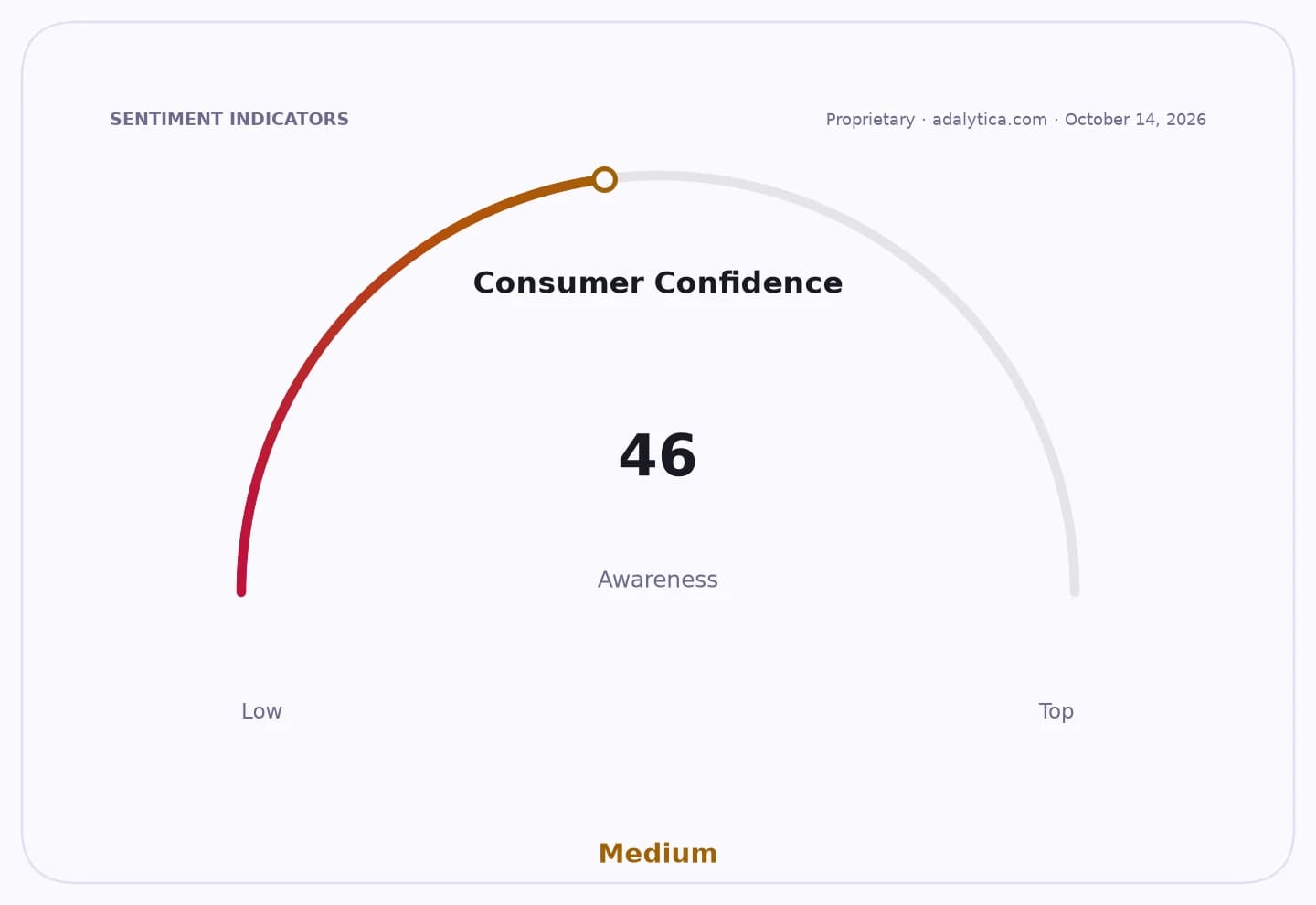
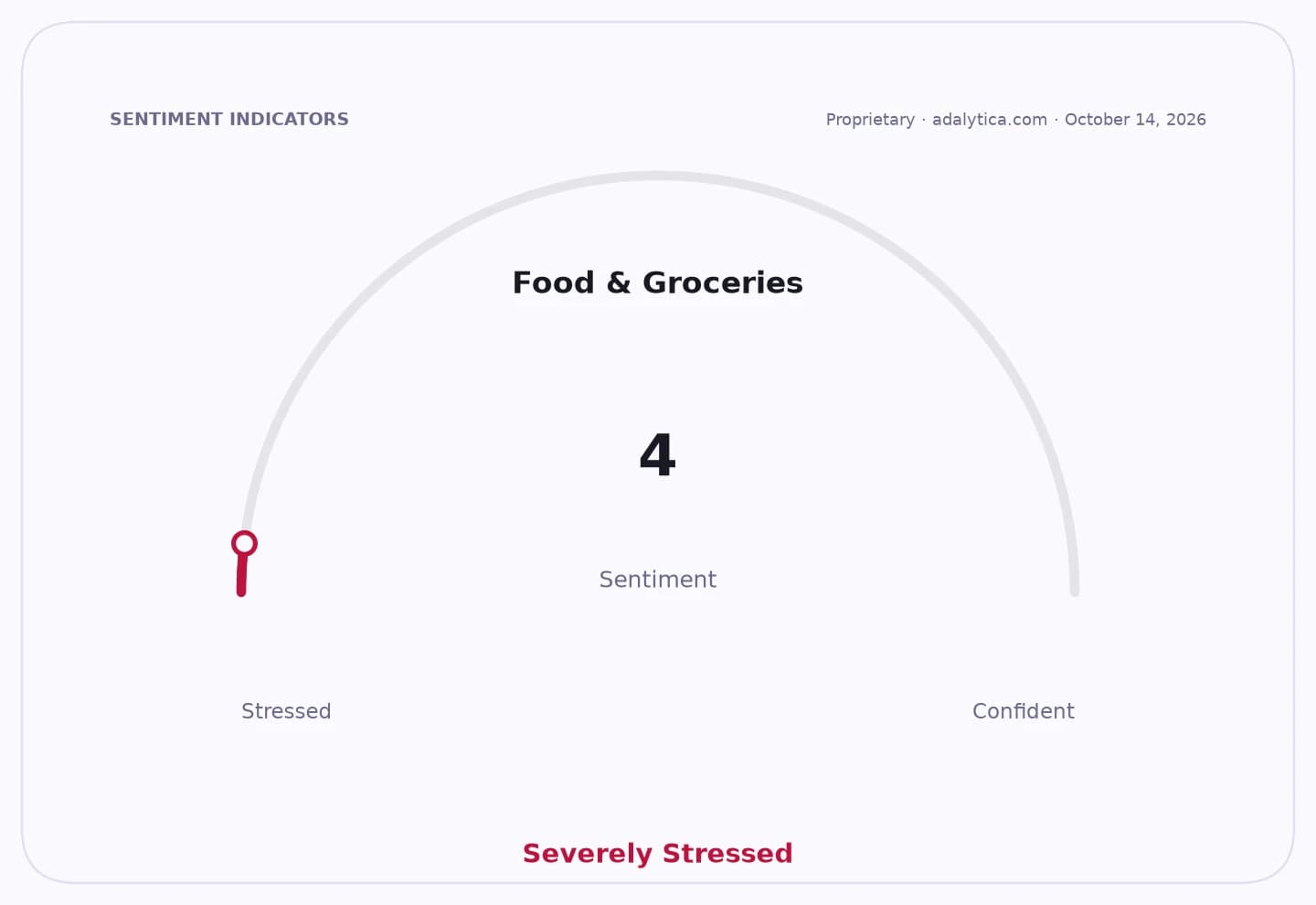
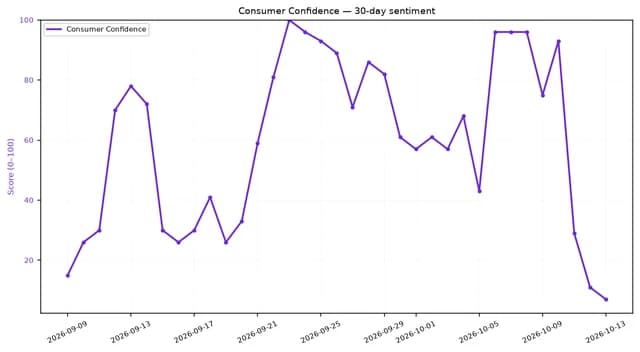
The key economic point is not just who may qualify, but what the transfer is meant to do: cushion disposable income at a time when consumer confidence is under strain. Adalytica’s Consumer Confidence Recession Sentiment gauge shows “Extreme Fear” at 7, with awareness also slipping sharply over the past month. In that setting, even a relatively small cash transfer can help stabilize spending on essentials, especially for lower-income workers who typically spend a higher share of any additional rupiah they receive.
Sentiment IndicatorsⓘProprietary · adalytica.com · October 14, 2026
This is a snapshot — live sentiment, awareness and momentum for 130+ markets update continuously in the dashboard.Open AlphaPulse
The government is planning to pay Rp300,000 a month from October through December 2026, for a total of Rp900,000 per recipient. That is not a structural fix for wage growth, but it is a timely fiscal bridge. For investors, the significance is straightforward: subsidy programs like this tend to support near-term consumption in sectors tied to day-to-day spending, from retailers and consumer staples to payment networks and transport-related services. They can also soften the downside risk for employers in labor-intensive industries by putting money directly into workers’ pockets without forcing companies to absorb higher payroll costs.
The eligibility detail matters because the biggest pool of potential recipients is not government employees but private-sector and contract workers, including PKWT employees who are registered with BPJS Ketenagakerjaan and meet the government’s wage and other criteria. That makes the program more relevant to the formal private workforce than a narrow welfare handout. At the same time, the rules are not final yet, which means the eventual reach of the program will depend on the official criteria, the income cap and the mechanics of distribution.
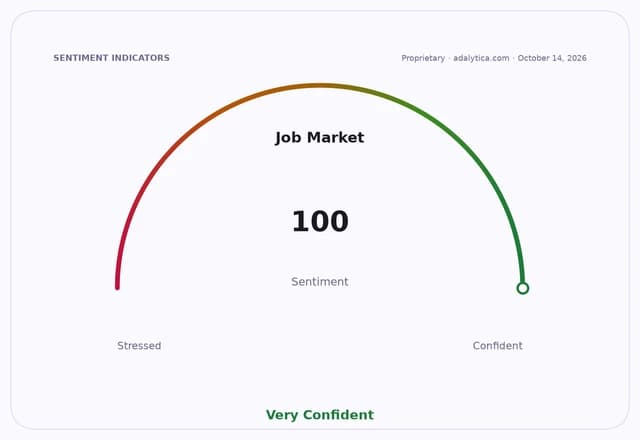
For markets, the most investable angle is that this is a demand-side tailwind rather than a supply-side reform. It may not move GDP in a dramatic way on its own, but it can help preserve turnover in mass-market consumer categories at a time when job-market sentiment is running hot while consumer mood is weak. In other words, the market may be underestimating how quickly targeted cash support can flow through to spending, especially if the payout lands before year-end retail demand picks up.
If Jakarta confirms the program and widens access for private employees and contract workers, the beneficiaries should be clear: consumer-facing businesses, digital payment platforms and mass-market retailers. The losers are firms and households that are still waiting for broader wage growth, because subsidies can relieve pressure without solving the underlying income gap. For investors, the takeaway is to watch who captures that incremental cash flow first — the early winners are the companies already positioned on the everyday wallet.
| Entity | Gains | Losses |
|---|---|---|
| Private employees | ▲Extra disposable income | ▼Waiting for wage growth |
| Contract workers | ▲Cash support eligibility | ▼Exclusion if criteria tighten |
| Consumer staples & retailers | ▲Higher transaction volumes | ▼Weak spending if rollout delays |
| Employers & MSMEs | ▲No payroll burden increase | ▼Little structural labor relief |