Malaysia’s plan to lift the minimum wage to RM2,000 is bigger than a pay raise — it is a structural reform that could strengthen household spending, improve retirement savings and support a more balanced share of national income, according to the Employees Provident Fund.
Malaysia minimum wage plan and EPF retirement coverage

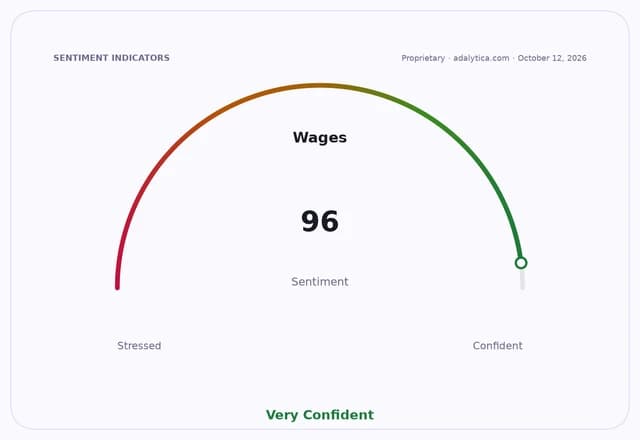
That matters because wages are the most direct channel into domestic demand. When lower-income workers take home more, they typically spend more of it, which can lift retail sales, services activity and broader economic momentum. For a country trying to widen growth beyond exports, that is exactly the kind of reform investors should watch closely.
EPF chief executive Ahmad Zulqarnain Onn called the increase an important labour market step that should improve workers’ livelihoods and boost retirement adequacy for fund members. He also backed the government’s move to raise the living-wage threshold at government-linked investment companies to RM3,400, saying the fund is committed to full implementation.
There is a long-term investing angle here that goes beyond politics. Malaysia is trying to address a familiar problem in emerging markets: growth does not always translate into enough income for workers, and that leaves retirement systems under strain. Higher wages, if they are sustained, can mean more contributions into EPF accounts over time, giving members a better chance of compounding savings rather than relying on lump-sum withdrawals that can be spent too quickly.
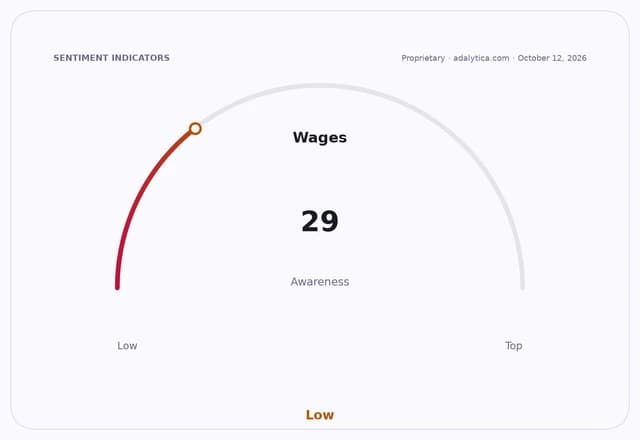
The budget also broadens retirement coverage by automatically registering Malaysians as EPF members at age 18 and extending i-Saraan Plus, a matching incentive for e-hailing and p-hailing drivers. Those changes matter because the self-employed and gig workers are often the most exposed to old-age poverty. Bringing them into the formal savings system improves the odds that more households will have a financial buffer decades down the line.
For investors, the immediate beneficiaries are likely to be sectors tied to domestic consumption — from retailers to consumer brands and service providers — if wage gains translate into stronger purchasing power. The potential losers are employers facing higher labor bills, particularly in labor-intensive industries that have less room to absorb costs. Over time, though, companies with pricing power, strong brands and efficient operations usually handle wage inflation better than the rest.
The global backdrop makes this even more relevant. Inflation has eased from its worst levels in many markets, and Malaysia’s labor reform comes as governments look for ways to support living standards without derailing growth. If implemented well, the wage increase could help households, strengthen the pension system and keep consumption on firmer footing.
For long-term investors, the main takeaway is simple: policies that raise wages and widen retirement coverage tend to support the real economy, even if they pressure some margins in the short run. That makes Malaysia’s labor reform worth watching for its impact on consumer demand, savings behavior and the quality of future growth.
| Entity | Gains | Losses |
|---|---|---|
| Workers | ▲Higher pay | ▼None immediately |
| EPF members | ▲Better retirement savings | ▼More pressure to save |
| Consumer companies | ▲Stronger household demand | ▼Higher wage costs |
| Labor-intensive employers | ▲None | ▼Margin pressure |