Malaysia is making a clear wager on human capital: turn training into jobs, and jobs into a more resilient economy.
Malaysia Bakat MADANI targets 30,000 jobs by 2027
Prime Minister Anwar Ibrahim said the Bakat MADANI initiative is targeting 30,000 new job opportunities by 2027, with private companies, government-linked firms and state investment companies all being pulled into the effort. For investors, that matters because Malaysia is leaning harder on workforce development as a way to lift productivity, reduce structural unemployment and help industries that are short on skilled labor grow without relying as much on foreign workers.
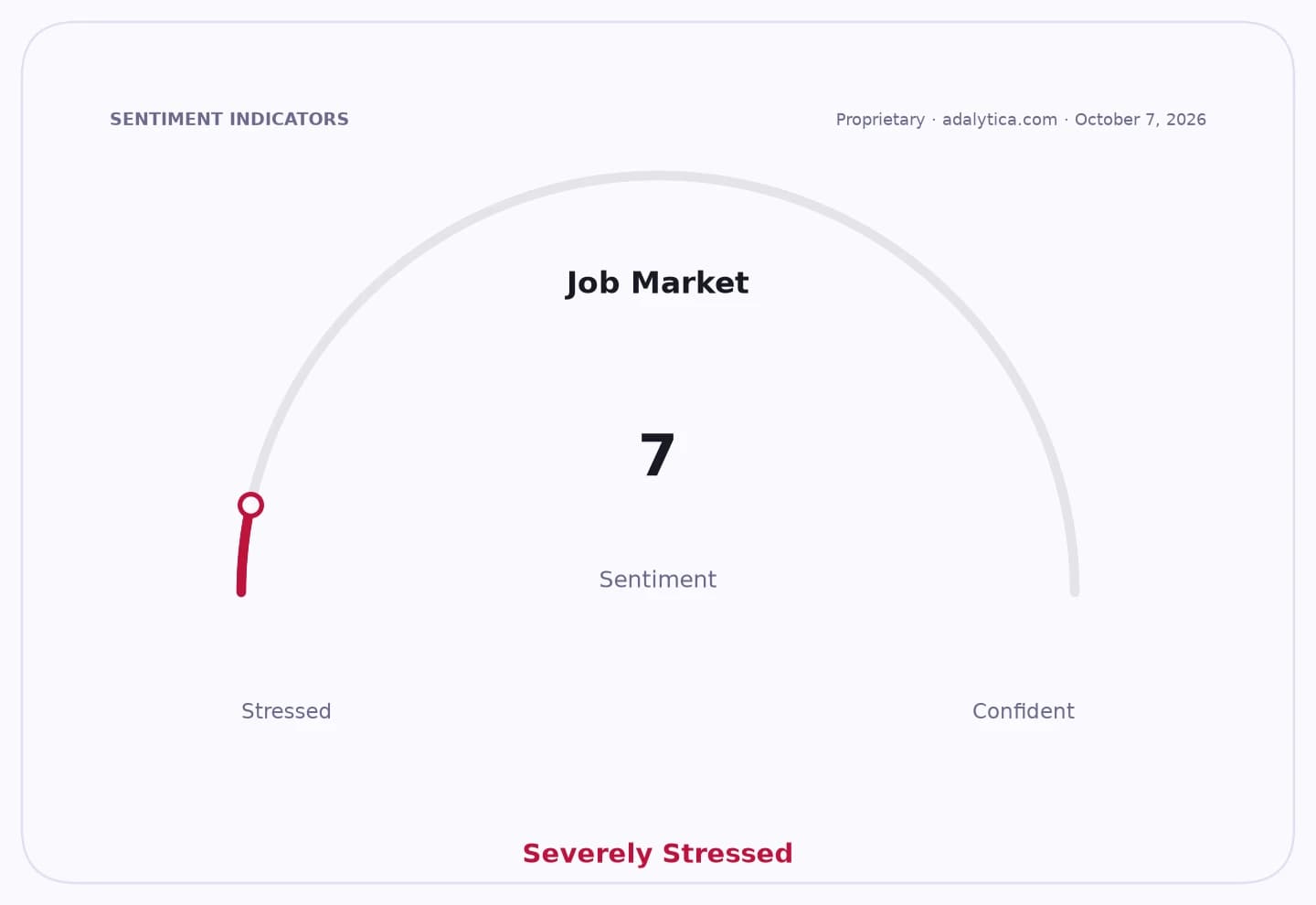
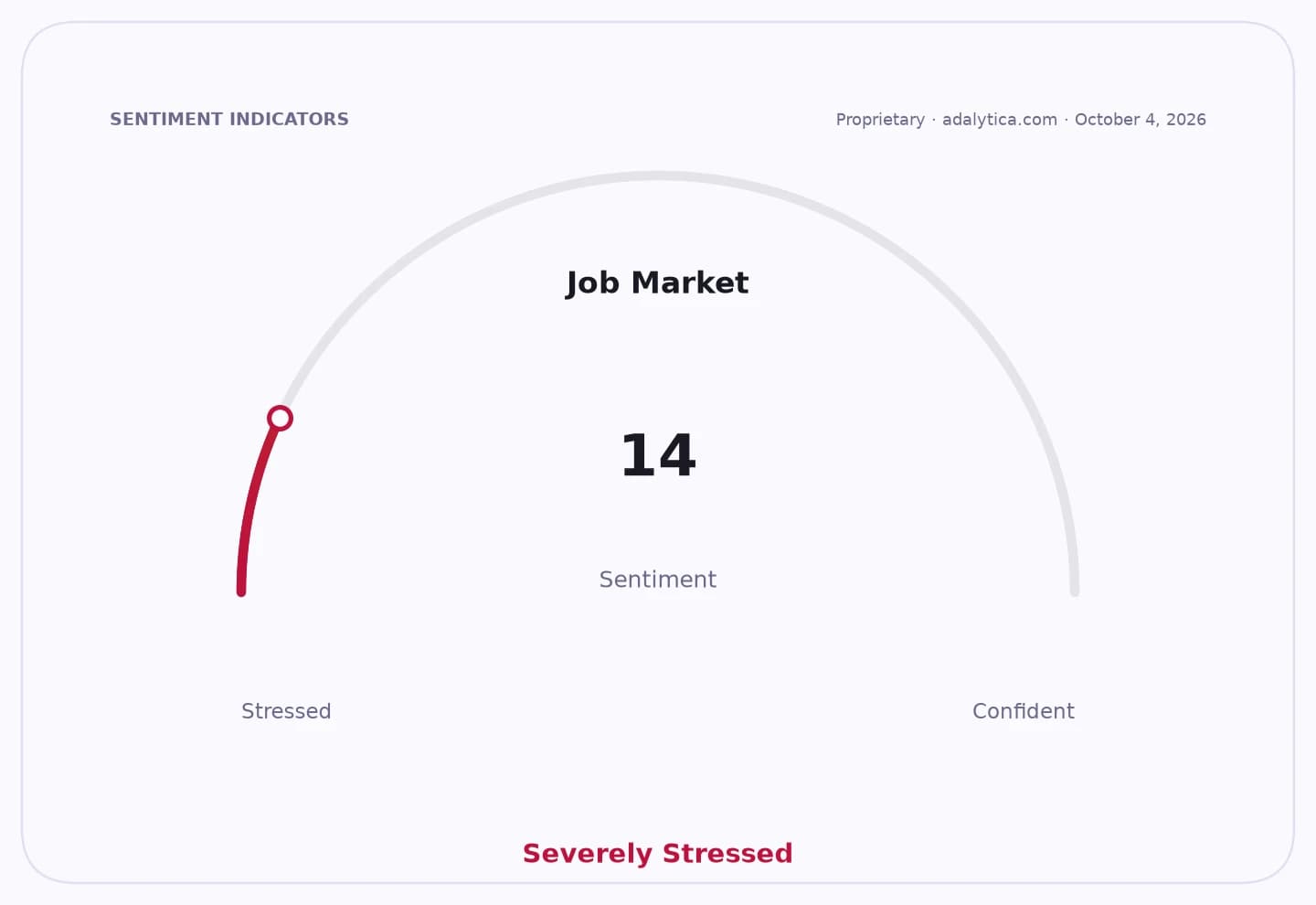
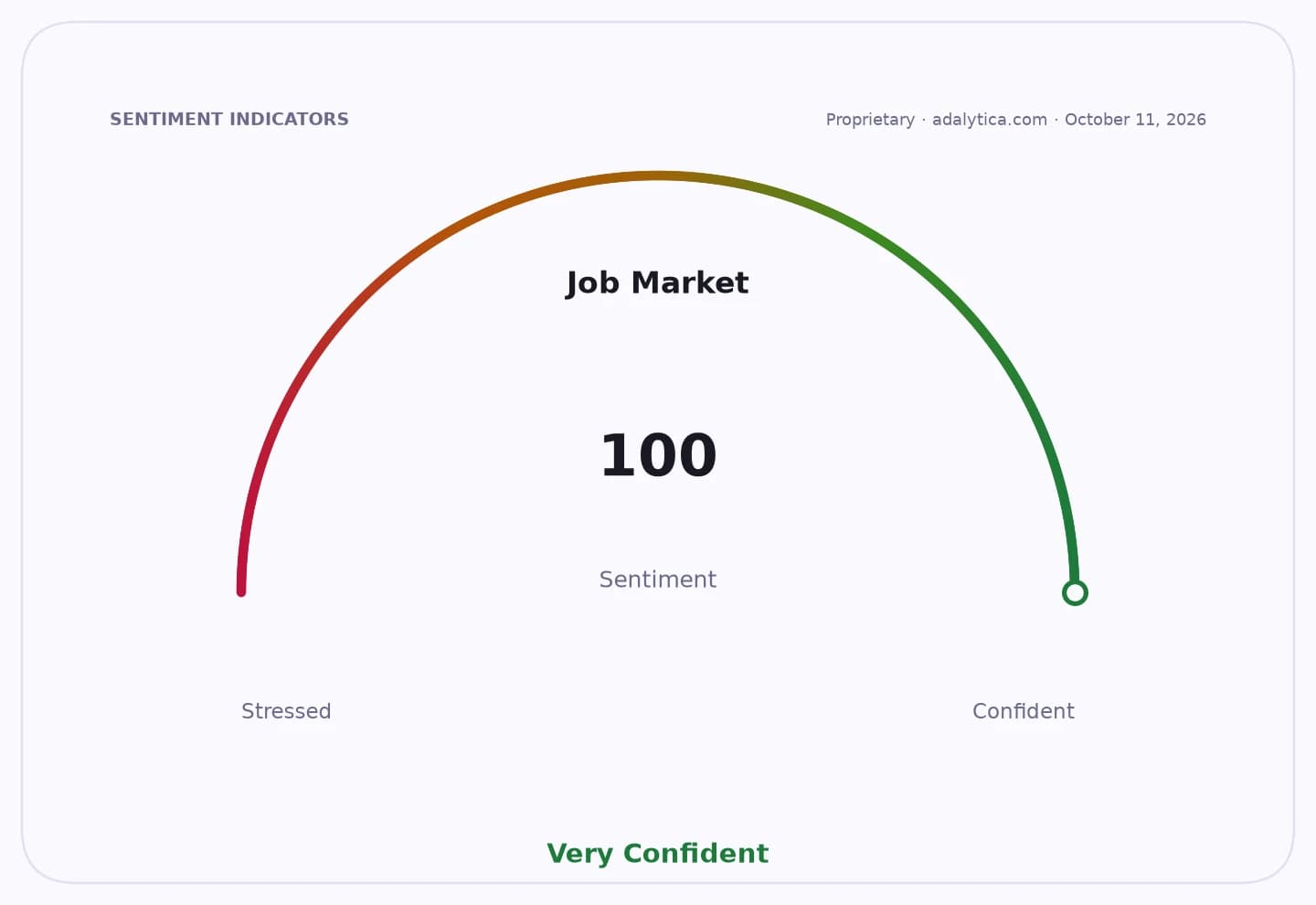
Sentiment IndicatorsⓘProprietary · adalytica.com · October 11, 2026
This is a snapshot — live sentiment, awareness and momentum for 130+ markets update continuously in the dashboard.Open AlphaPulse
The plan is more than a headline number. Bakat MADANI was launched with commitments from six government-linked investment companies, PETRONAS and a network of government-linked firms to provide training and quality jobs for 25,000 young Malaysians, while tax deductions will be offered to private employers that run Bakat MADANI training programs from June 29, 2026 through Dec. 31, 2030. That gives companies a financial incentive to help absorb graduates into the workforce, which is exactly how governments try to make skills policy stick in the real economy.
Budget 2027 also throws serious money at the pipeline. Malaysia set aside RM8 billion for cross-ministry technical and vocational education and training, RM3 billion for HRD Corp to provide 3 million skills-training opportunities, and RM500 million through the Perbadanan Tabung Pembangunan Kemahiran to finance trainees at registered public and private institutes. Add in targeted programs for MARA, CIDB, GIATMARA, ADTEC JTM and MITRA, and the strategy becomes obvious: build job-ready workers for sectors such as automation, robotics, digital services, aviation maintenance and advanced automotive technology.
That mix matters economically because labor quality is becoming as important as labor quantity. Malaysia’s unemployment rate is already low by historical standards, and the real issue now is not just finding work, but matching workers to higher-value roles that can support wage growth, exports and domestic consumption. A bigger, better-trained workforce can help manufacturers, infrastructure groups, energy companies and technology players expand without running into skills bottlenecks that slow execution and compress margins.
For long-term investors, the most interesting part is the compounding effect. If the policy works, it can widen the talent pool for sectors tied to Malaysia’s industrial upgrading, improve employability among younger workers and strengthen the earnings base of companies that need technical labor. It can also make Malaysia more attractive as a regional operating base if employers see a deeper bench of trainable workers and better public support for reskilling.
There are risks, of course. Training programs do not automatically translate into durable employment, and the quality of placement matters more than the number of certificates issued. But the direction is constructive: Malaysia is trying to convert fiscal spending into productivity, not just short-term relief.
For investors, that makes Bakat MADANI worth watching as a policy that could support both social stability and corporate profitability over several years. If the jobs materialize and the training pipeline keeps feeding high-demand sectors, this could become one of the more durable growth stories in Malaysia’s budget.
| Entity | Gains | Losses |
|---|---|---|
| Job seekers and young Malaysians | ▲More training and job openings | ▼Less reliance on informal work |
| Employers and GLCs | ▲Larger skilled labor pool | ▼Higher training obligations |
| Malaysia’s economy | ▲Better productivity and wages | ▼Little if placement rates stay weak |
| Foreign labor-dependent sectors | ▲More local talent supply | ▼Easier access to cheap foreign labor |