A new hiring circular from the SME Foundation under Bangladesh’s Ministry of Industry points to a small but economically meaningful effort to deepen factory skills in the country’s footwear supply chain, with preference for candidates from Rajshahi and jobs tied to a common facility center in Charghat, Kaluhati.
SME Foundation seeks footwear staff in Rajshahi
That matters because the real story is not just two vacancies. It is the government’s continued use of targeted employment and industrial training posts to strengthen small manufacturing capacity outside Dhaka, where skilled operators are often in short supply. For investors, suppliers and development watchers, that is a signal that Bangladesh still sees SME upgrading as part of its broader industrial strategy, especially in labor-intensive sectors that depend on machine discipline, quality control and lower production costs.
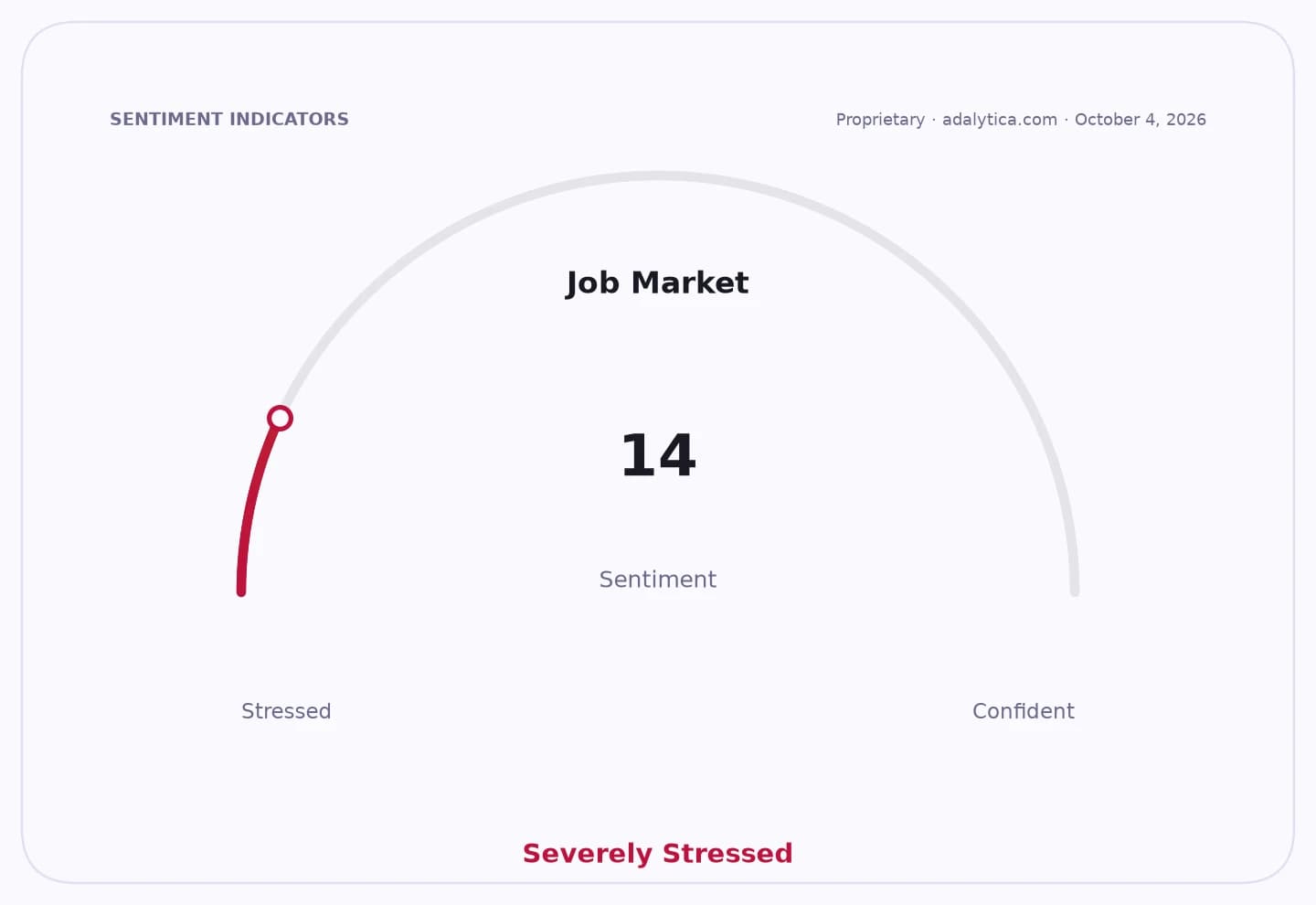
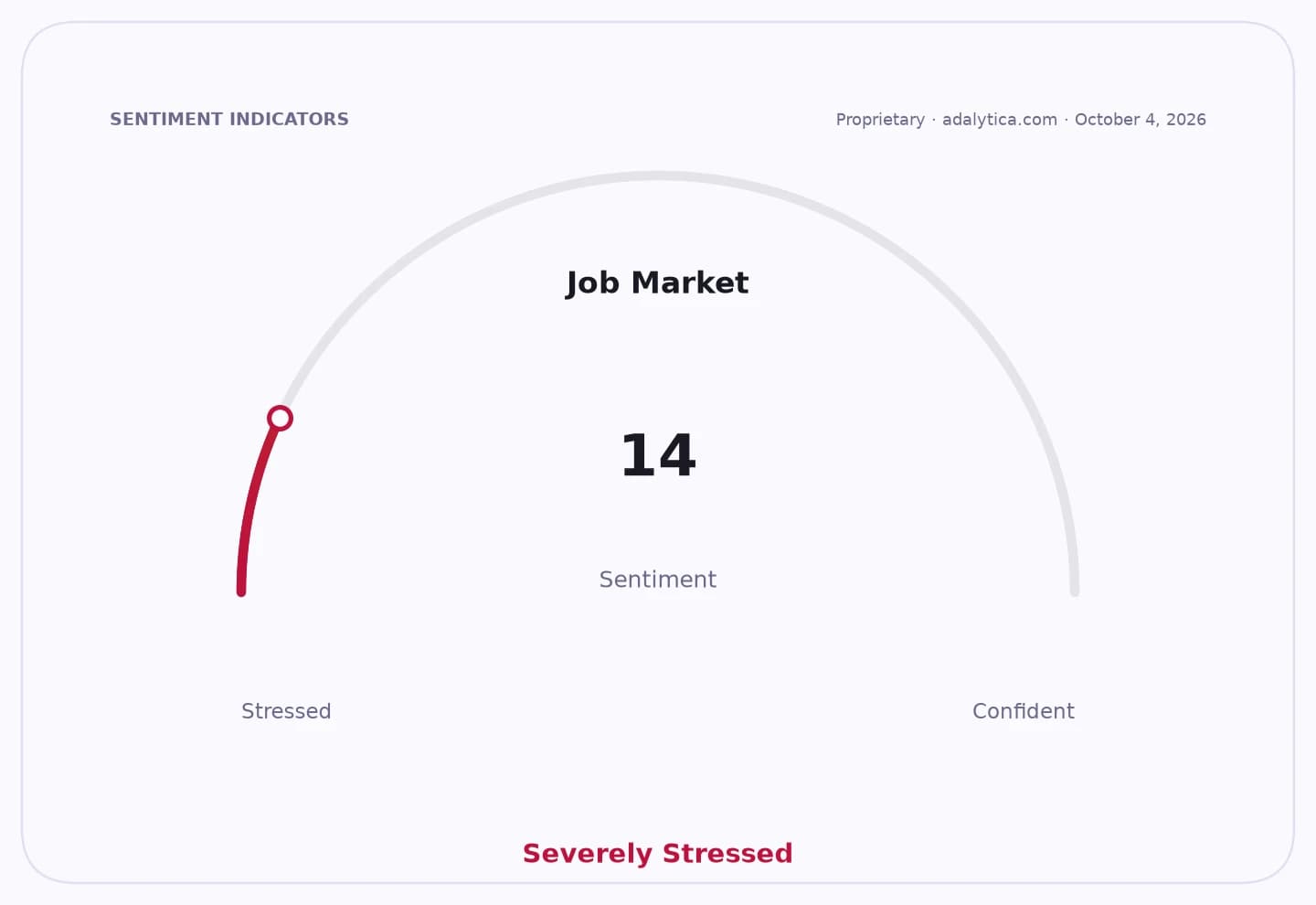
Sentiment IndicatorsⓘProprietary · adalytica.com · October 4, 2026
This is a snapshot — live sentiment, awareness and momentum for 130+ markets update continuously in the dashboard.Open AlphaPulse
The two posts — center in-charge cum operator and assistant operator — are for the footwear development facility in Rajshahi’s Charghat upazila. Applicants need at least an SSC pass and five years of relevant experience, with expertise spanning cutting, fabrication, closing and lasting operations on specialized footwear machinery. In other words, this is not generic hiring. It is a search for people who can keep a production hub running and help spread technical know-how in a segment where productivity gains often come from better operations, not just more capital.
For the local economy, that can still be important. Footwear is one of the industries where Bangladesh can add value through better process management, more reliable output and stronger linkages between small firms and organized facilities. A common facility center can lower barriers for smaller producers that cannot afford advanced equipment on their own, making it easier to improve product quality and compete on price.
The location also matters. Prioritizing Rajshahi candidates suggests the foundation wants the benefits to stay rooted in the region, supporting local employment and reducing the need for firms to pull skilled workers from larger urban centers. That may not move national payroll data, but it fits a wider pattern of trying to spread industrial development beyond the main commercial hubs.
For investors, the takeaway is more structural than immediate. This kind of recruitment does not create a market-moving earnings event, but it does reinforce the long-term case for Bangladesh’s SME ecosystem, especially if industrial support programs continue to improve training, tooling and output quality. Over time, that can help small manufacturers become more efficient, more export-ready and less vulnerable to labor bottlenecks.
There are limits, of course. One job circular will not solve the skill gap in a sector as fragmented as footwear manufacturing, and the absence of a stated headcount suggests the scale is modest. But in emerging markets, these details matter because competitiveness is often built one facility, one operator and one local cluster at a time.
For long-term investors, the message is simple: keep an eye on public hiring and industrial support around SME hubs, because that is often where the groundwork gets laid for bigger manufacturing gains later. It is the kind of slow-burn development worth watching, not trading.
| Entity | Gains | Losses |
|---|---|---|
| SME Foundation | ▲Gains local operating capacity | ▼Loses nothing material |
| Rajshahi job seekers | ▲Gain priority access to jobs | ▼Lose out if unskilled |
| Footwear SMEs | ▲Gain better technical support | ▼Lose efficiency if staffing stays thin |
| Competing labor hubs | ▲Gain little | ▼Lose talent to Rajshahi cluster |