Egypt’s labor ministry is pushing to accelerate a national jobs strategy that aims to create about 1.4 million new work opportunities annually through 2030, underscoring how job creation has become a central economic policy priority as the country tries to widen formal employment and better match training with private-sector demand.
Egypt labor ministry speeds national jobs strategy
Labor Minister Hassan Raddad has told officials to quickly finish the executive plan for the National Employment Strategy, which was launched earlier this year with President Abdel Fattah al-Sisi in attendance. The ministry wants the plan turned into measurable programs, timelines and performance indicators rather than a broad policy document, according to the ministry’s statement.
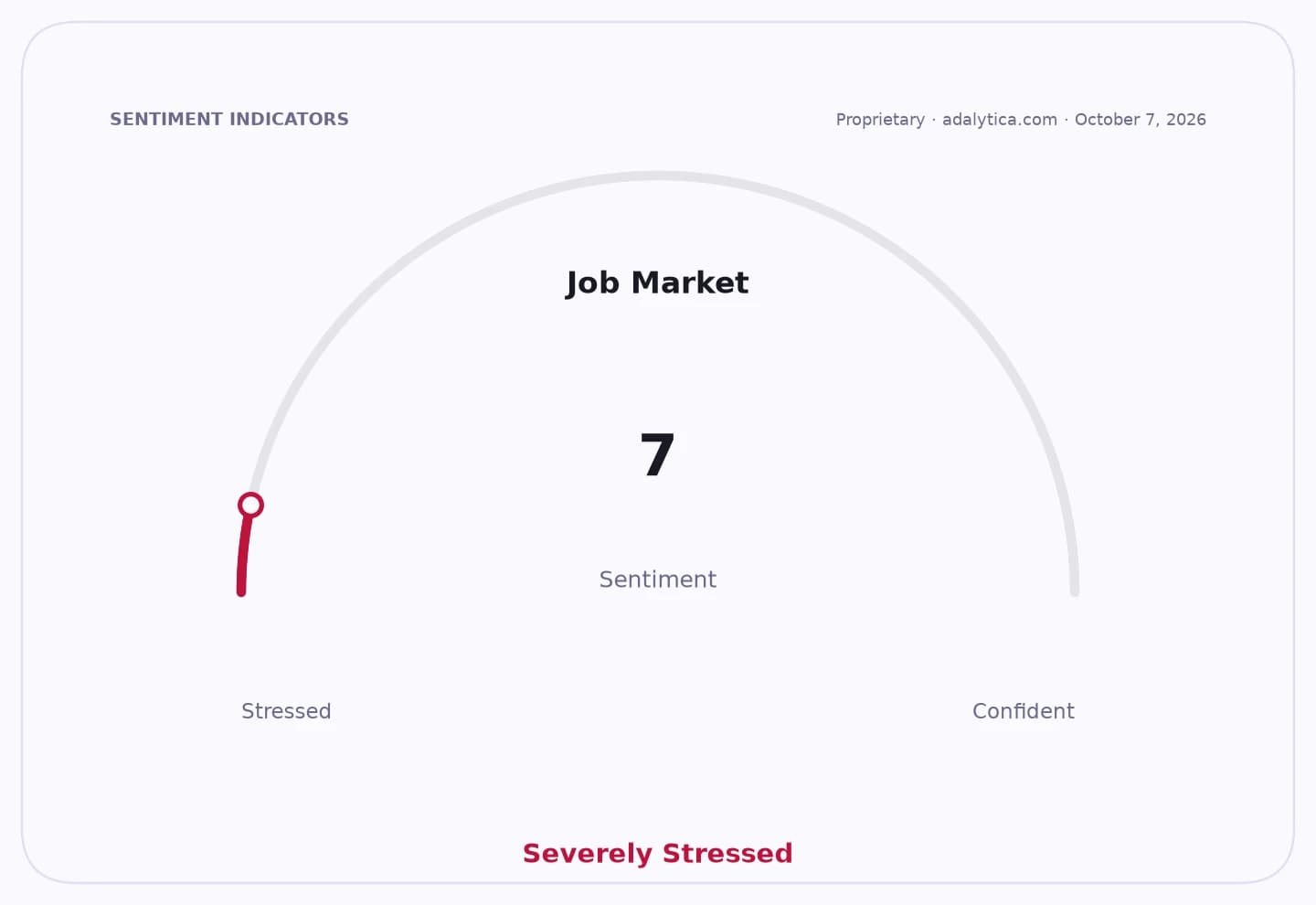
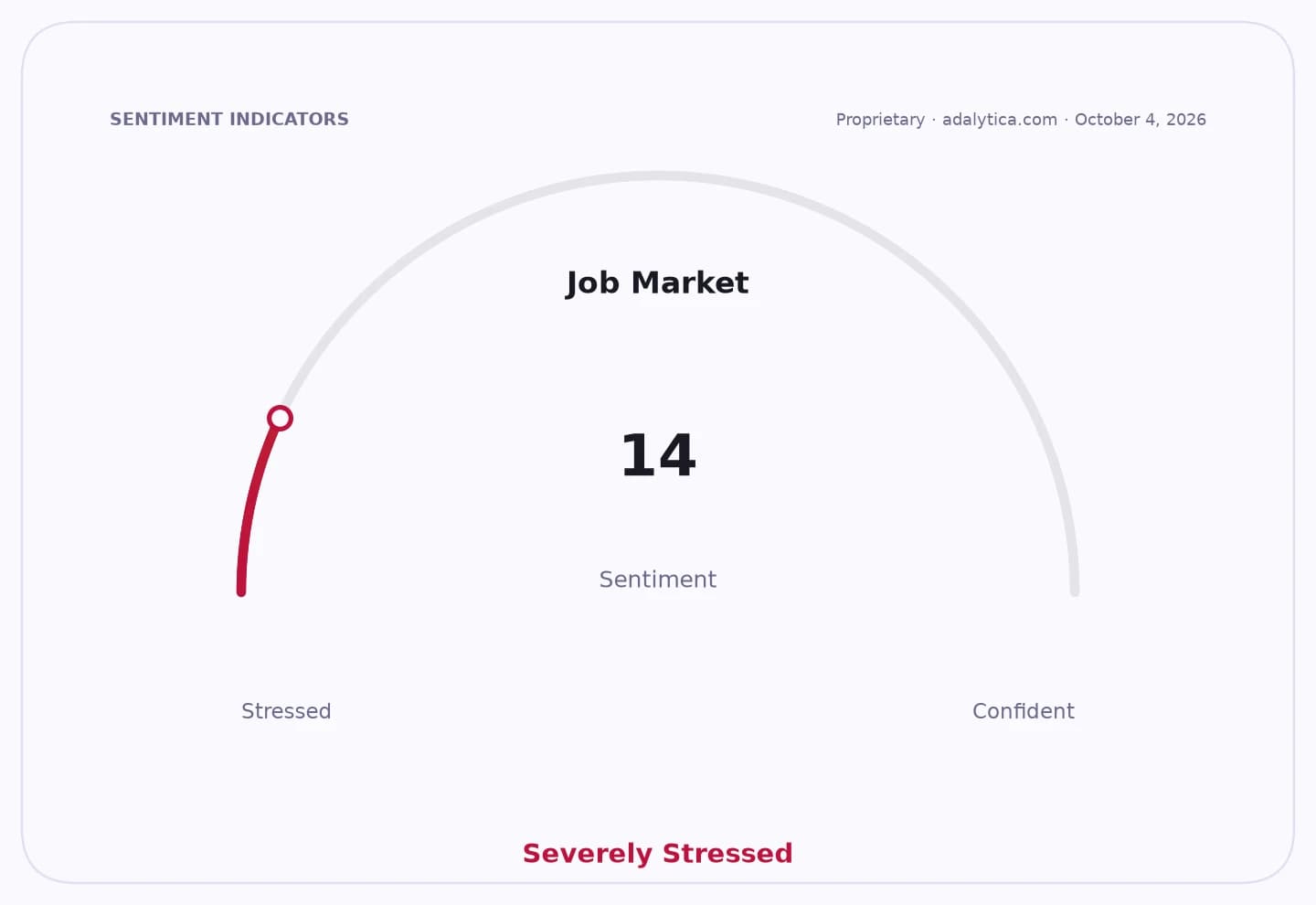
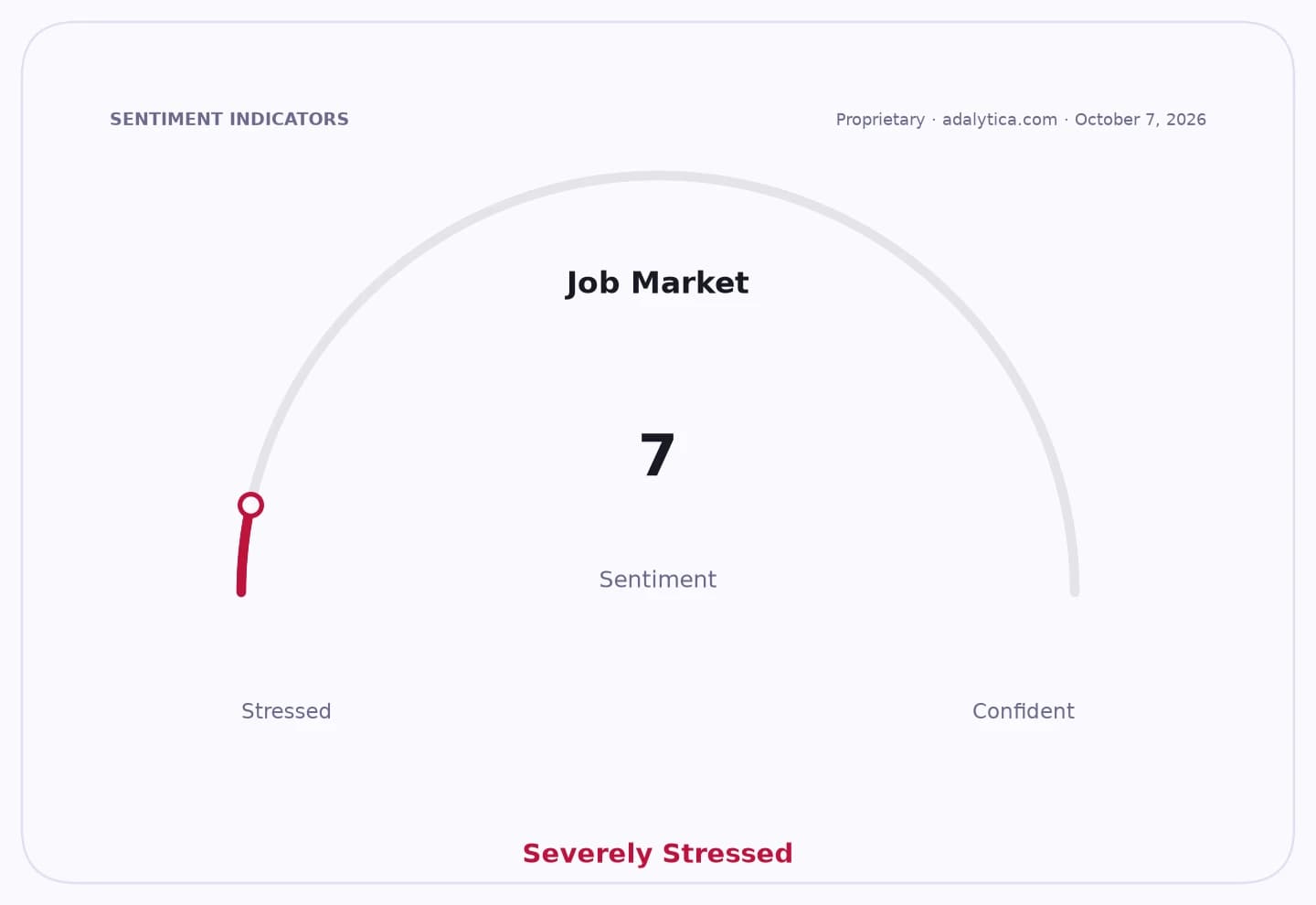
Sentiment IndicatorsⓘProprietary · adalytica.com · October 7, 2026
This is a snapshot — live sentiment, awareness and momentum for 130+ markets update continuously in the dashboard.Open AlphaPulse
That matters because Egypt’s labor market has long been strained by a large young workforce, a heavy reliance on informal jobs and persistent gaps between education and what employers say they need. A strategy focused on “training for employment,” official data-based planning and stronger private-sector participation is meant to improve labor-force absorption and ease pressure on households and the broader economy.
The ministry said the plan should align with Egypt Vision 2030 and other national strategies, and that it must reflect actual labor-market needs. Raddad also called for closer coordination with the International Labour Organization and with Synergies, a development research and decision-support firm helping draft the execution framework.
Officials are now gathering input from ministries and other agencies before drafting the first version of the plan, which is expected to spell out programs, responsibilities, funding assumptions, deadlines and evaluation metrics. The next phase will merge those inputs into a full implementation blueprint for review by the labor ministry and the steering committee.
For investors, the message is that Cairo is trying to move labor policy from aspiration to execution, with implications for consumer demand, labor costs, productivity and the supply of skilled workers. If the government can funnel more people into formal, productive jobs, it could support household incomes and domestic demand while also improving the operating environment for manufacturers, contractors and service firms that rely on a steadier labor pipeline.
The plan’s success will hinge on whether training programs, employment services and private-sector hiring can be aligned quickly enough to deliver results before 2030. The next test is whether the government can translate the target into credible funding, institutional coordination and measurable job placements.
| Entity | Gains | Losses |
|---|---|---|
| Egyptian job seekers | ▲More formal opportunities | ▼Mismatch risk if execution lags |
| Private employers | ▲Better-trained labor pool | ▼Higher coordination burden |
| Government | ▲Lower unemployment pressure | ▼Accountability if targets miss |
| Informal economy | ▲Potential shift to formal work | ▼Labor supply and activity leakage |