Indonesia’s newly passed employment protection law is winning broad backing from business groups, but investors are likely to focus on the fine print: the regulations that will determine whether the reform lifts labor standards without adding a new burden to wages, severance and hiring costs.
Indonesia employment law implementation and wage rules
The legislation is being framed by employers as a chance to end the annual standoff over provincial minimum wages, a recurring source of uncertainty for manufacturers and other labor-intensive businesses. That matters economically because Indonesia’s growth model still leans heavily on job creation in factories, services and small firms, where even modest changes to pay formulas or dismissal rules can quickly feed into cash flow, pricing and expansion plans.
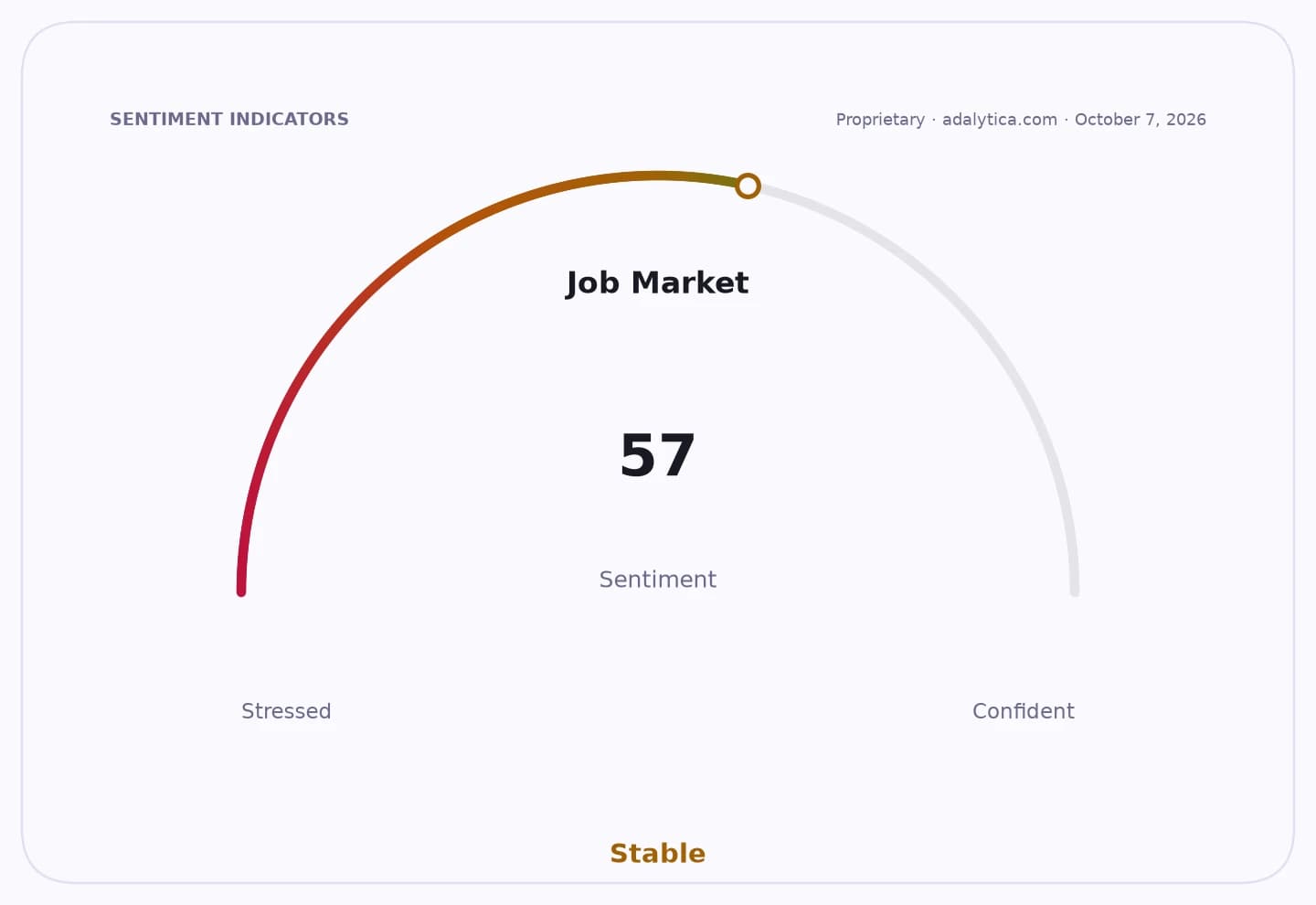
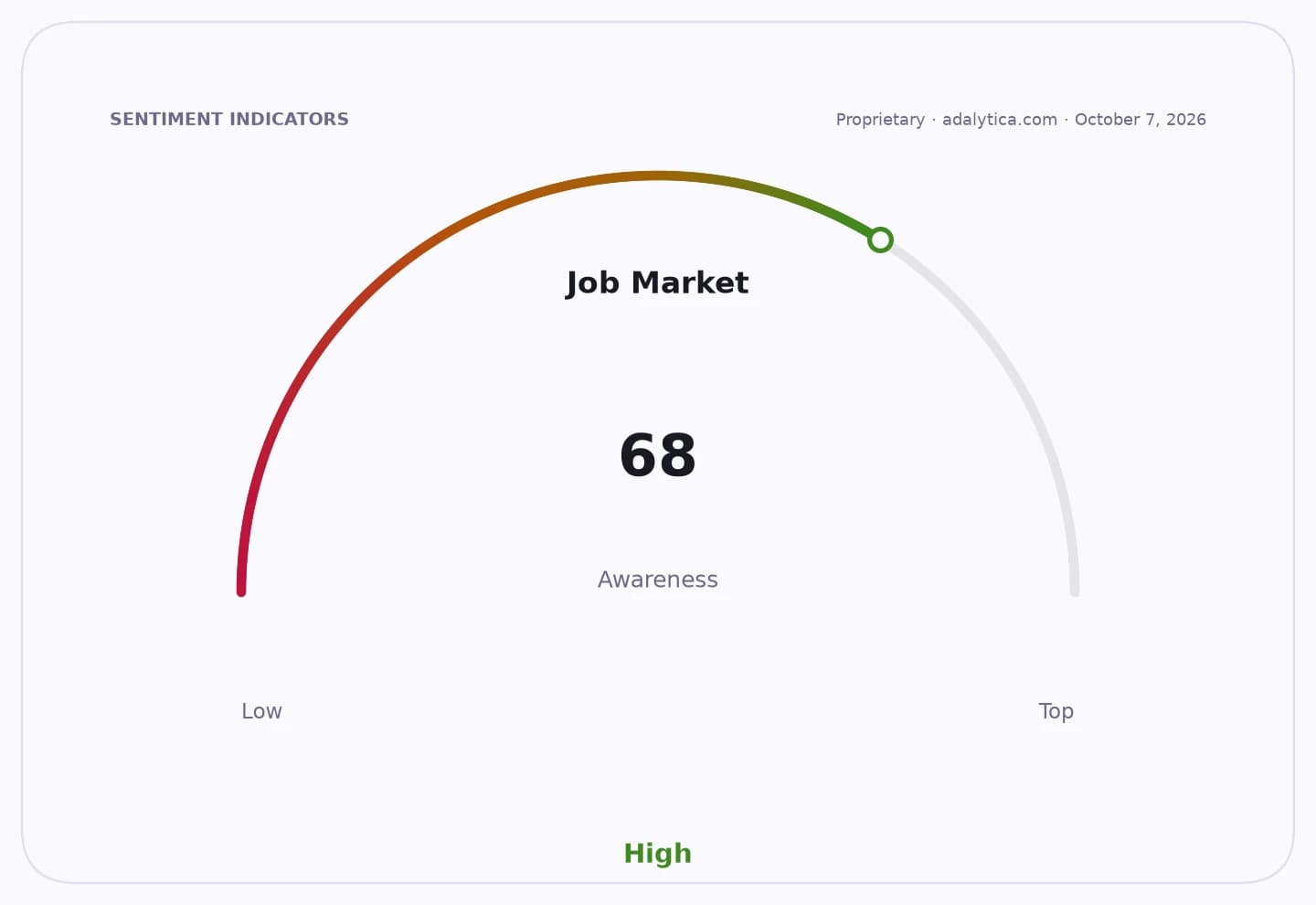
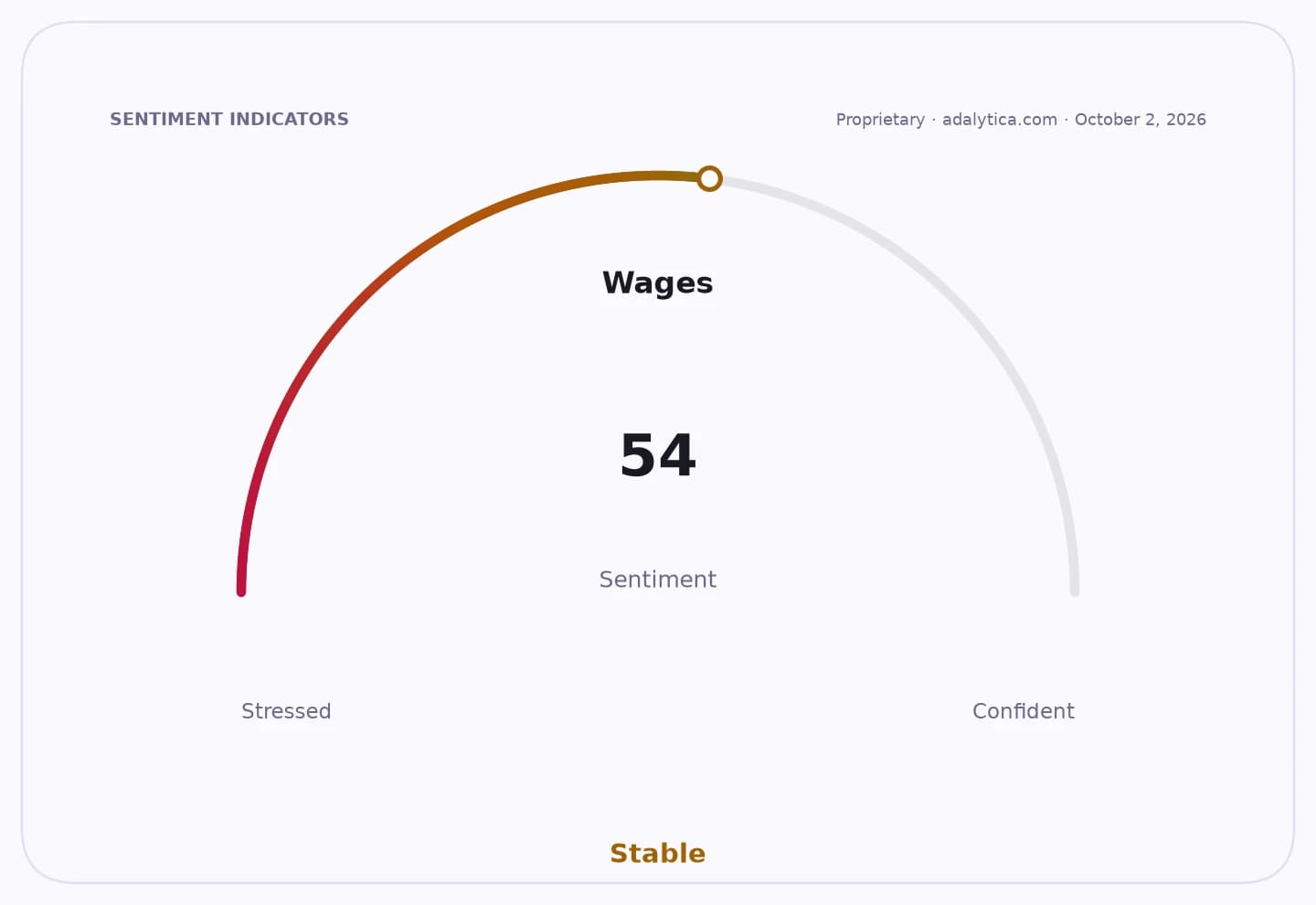
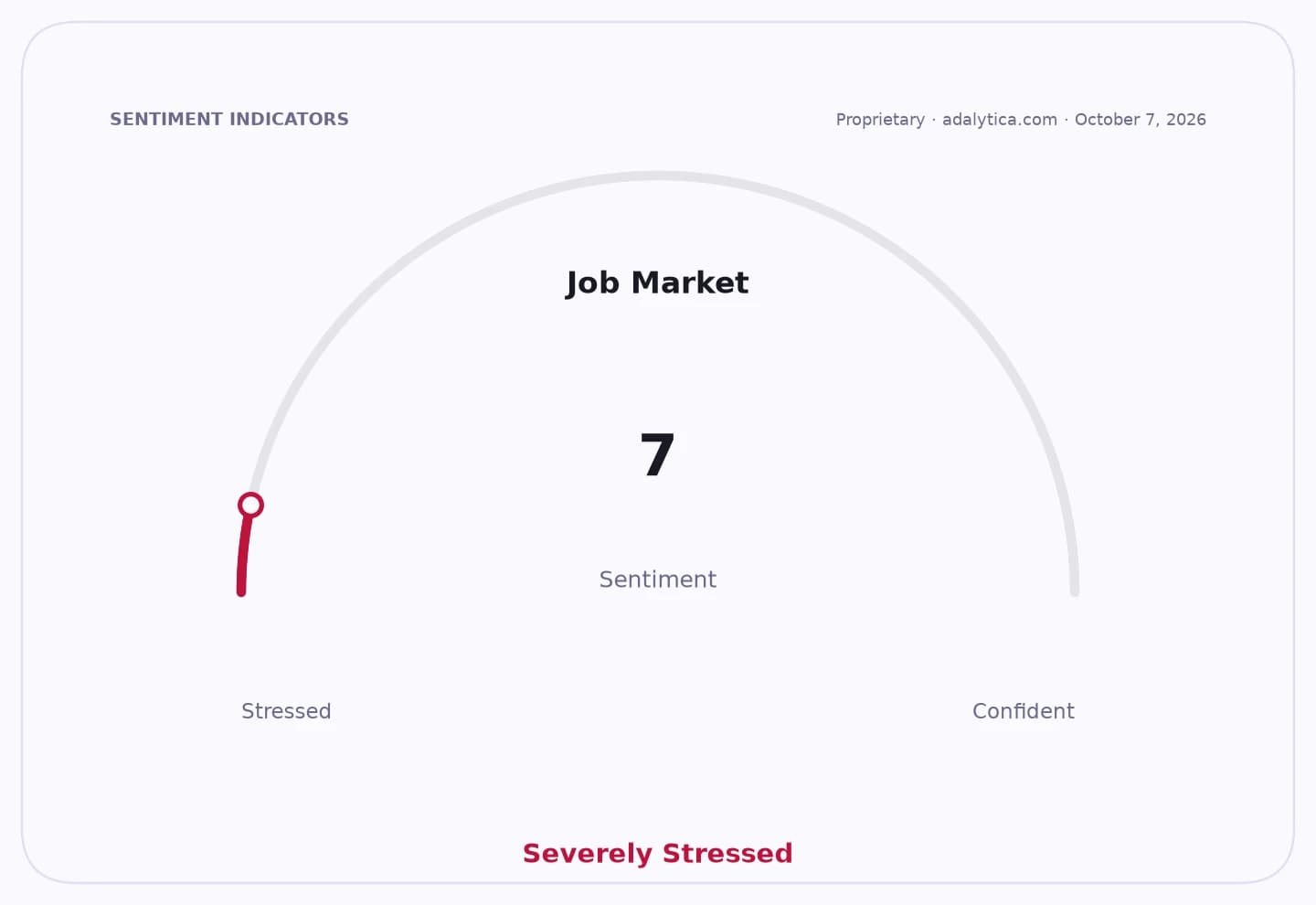
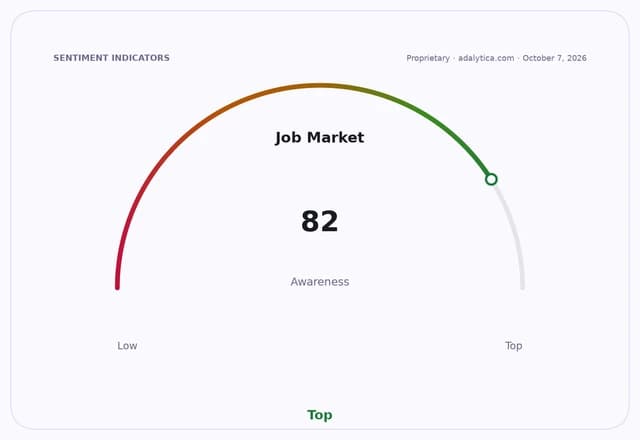
Sentiment IndicatorsⓘProprietary · adalytica.com · October 7, 2026
This is a snapshot — live sentiment, awareness and momentum for 130+ markets update continuously in the dashboard.Open AlphaPulse
Kadin Indonesia’s Sarman Simanjorang said the new law should settle disputes over the minimum wage and deliver “balanced protection” for workers and employers, while warning that annual wage increases without matching productivity gains are unfair to businesses. The message from the private sector is clear: the headline reform is welcome, but the real economic impact will be determined by the government’s implementing decrees.
Employers want the labor ministry’s forthcoming government regulations and ministerial rules to spell out wages, severance, working hours and outsourcing in a way that is “simple” and “proportional,” especially for small and medium-sized firms. They are also urging the ministry to involve business associations, unions and academics in drafting the rules, a sign that the battle is shifting from legislation to implementation.
That distinction matters for investors because labor costs flow directly into margins, particularly in sectors with thin profitability and high headcount. If the rules are too restrictive, they could slow hiring, discourage investment and squeeze already fragile cash generation. If they are too flexible, however, labor groups may push back, reviving the same uncertainty the law was meant to resolve.
The broader backdrop is a labor market that is not yet tight enough to give workers full bargaining power but remains sensitive to policy shifts. U.S. labor indicators in the data show payroll growth still positive and unemployment near 4.1%, with job-market sentiment in Adalytica’s gauges stuck in extreme fear, underscoring how quickly labor policy can become a macro issue when growth is uneven and households are cautious.
For Indonesia, the key question now is whether the new framework can support both protection and competitiveness. A credible, predictable rulebook would help companies plan wages, severance liabilities and expansion more efficiently, and could support domestic employment without forcing firms to rely more heavily on outsourcing or foreign labor. A poorly calibrated one would do the opposite, raising costs just as employers are trying to rebuild confidence after years of policy churn.
| Entity | Gains | Losses |
|---|---|---|
| Workers | ▲stronger protections | ▼if rules are diluted |
| Employers | ▲clearer legal framework | ▼higher labor costs |
| SMEs | ▲simpler compliance if proportional | ▼cash-flow pressure |
| Government | ▲chance to reduce disputes | ▼backlash if implementation misfires |