Indonesia’s new labor law sharply limits fixed-term contracts to two years and narrows outsourcing to five support services, a shift that could raise labor costs for employers while strengthening protections for millions of workers.
Indonesia labor law limits contracts and outsourcing
The regulation, part of the Undang-Undang Pelindungan Ketenagakerjaan, allows PKWT contracts to be extended only twice, for up to one year each time. That closes the door on open-ended rolling contracts that companies have long used to keep labor flexible and costs low.
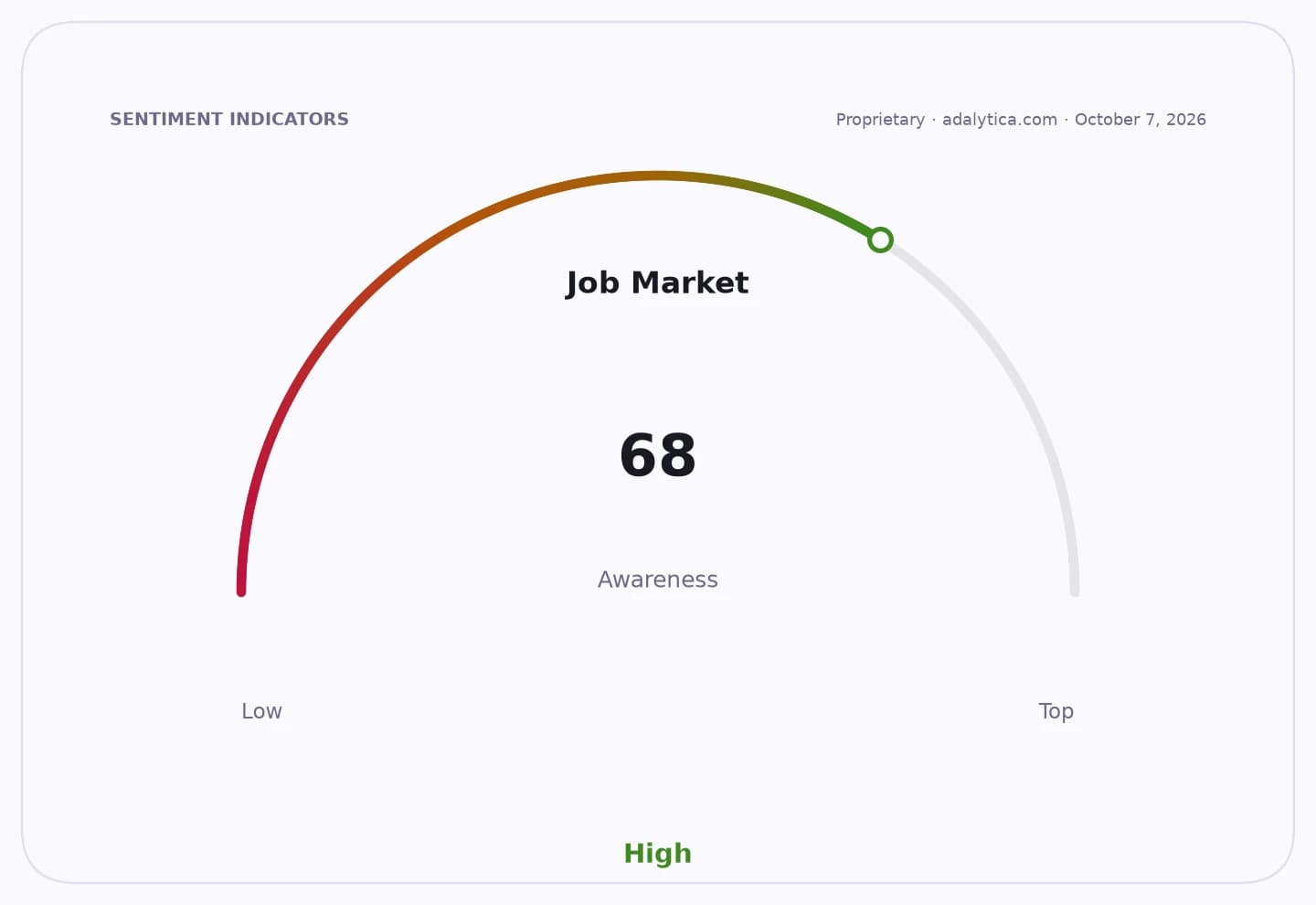
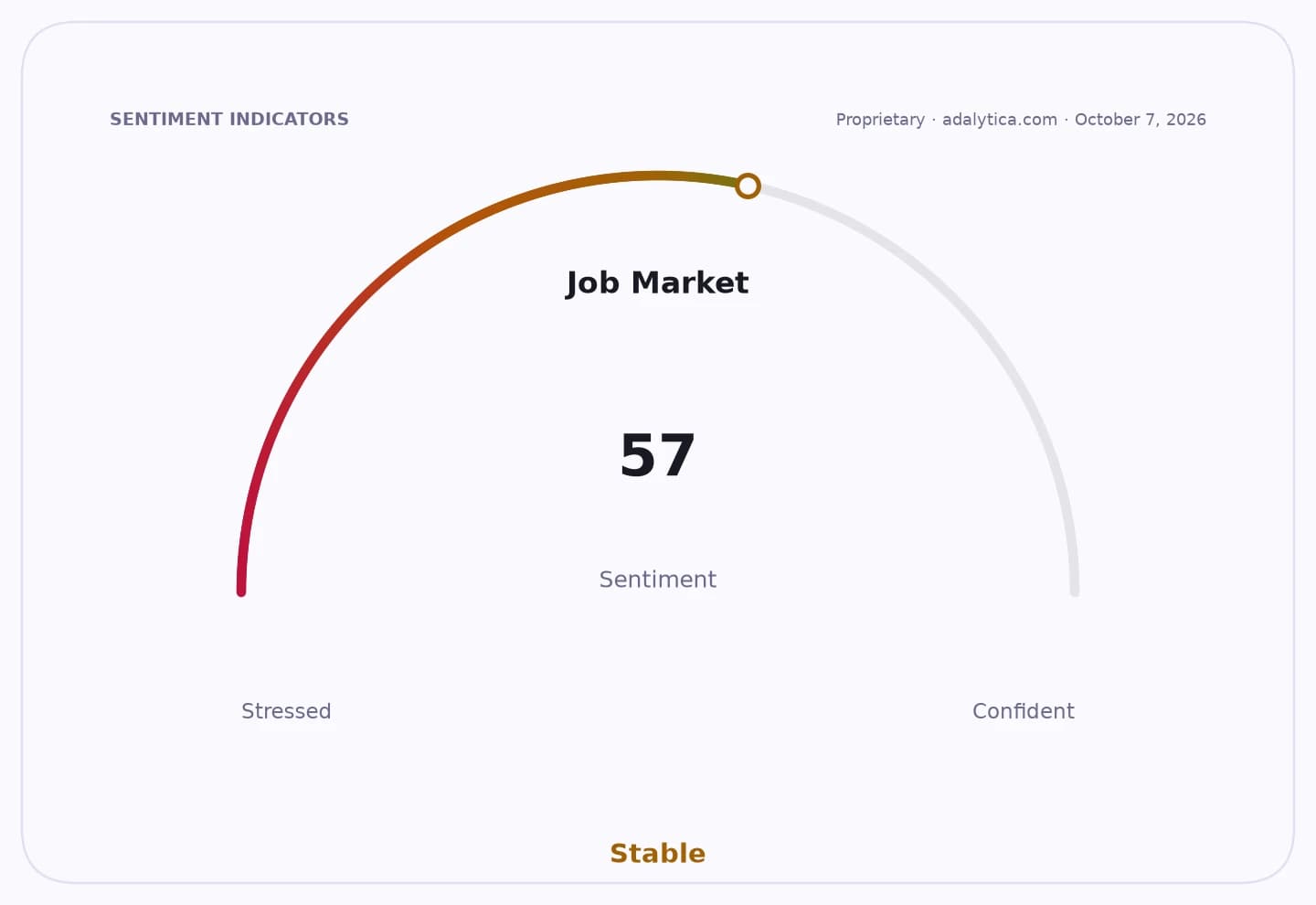
Sentiment IndicatorsⓘProprietary · adalytica.com · October 7, 2026
This is a snapshot — live sentiment, awareness and momentum for 130+ markets update continuously in the dashboard.Open AlphaPulse
For investors, the change matters because it directly affects staffing-heavy businesses and the broader outsourcing industry, where demand is tied to regulatory latitude as much as economic growth. Firms that depend on contract labor may face higher compliance costs, more permanent hiring, or a need to redesign their workforce mix.
Outsourcing is now limited to five types of supporting work: cleaning, food services for workers, security, mining and oilfield support, and worker transport. By restricting the jobs that can be outsourced, the law pushes more core functions back onto direct payrolls, a move likely to improve job stability but reduce the flexibility employers have relied on in manufacturing, mining and services.
The law also expands labor protection to informal and digital-platform workers and sets rules on working hours, leave, wages, social security and layoffs. With 23 chapters and 313 articles, it represents one of the most sweeping overhauls of Indonesia’s employment framework in years.
The immediate market impact is likely to show up first in staffing agencies, outsourcing contractors and employers with large temporary workforces, while workers and labor-linked consumer demand could benefit if income stability improves. The next catalyst will be how quickly the government issues implementing rules and how aggressively companies adjust headcount and contracts.
| Entity | Gains | Losses |
|---|---|---|
| Workers | ▲More job security | ▼Less contractual churn |
| Employers | ▲Clearer rules | ▼Higher labor rigidity |
| Outsourcing firms | ▲Defined support niches | ▼Smaller addressable market |
| Staffing peers | ▲Compliance demand | ▼Fewer contract placements |