Indonesia’s economy is now at the center of a harder trade-off: employers want longer working hours to lift competitiveness, but the government is insisting any change must fit the country’s new labor-protection law. That matters because this is not just a workplace dispute — it is a test of how far Jakarta is willing to go to support factory productivity without weakening worker protections at a time when growth, jobs and investor confidence all depend on predictability.
Indonesia labor law limits 45-hour workweek push
Economic Affairs Minister Airlangga Hartarto said companies seeking to raise the standard workweek from 40 hours to 45 hours must follow the newly passed Employment Protection Law. The comment came after the Indonesian Footwear Association, or Aprisindo, argued that longer hours would help local manufacturers compete with Vietnam, where weekly working time can reach 48 hours. For Indonesia’s export-oriented industries, especially labor-intensive sectors such as footwear and apparel, the issue goes straight to unit labor costs, output flexibility and the ability to retain orders in a fiercely competitive region.
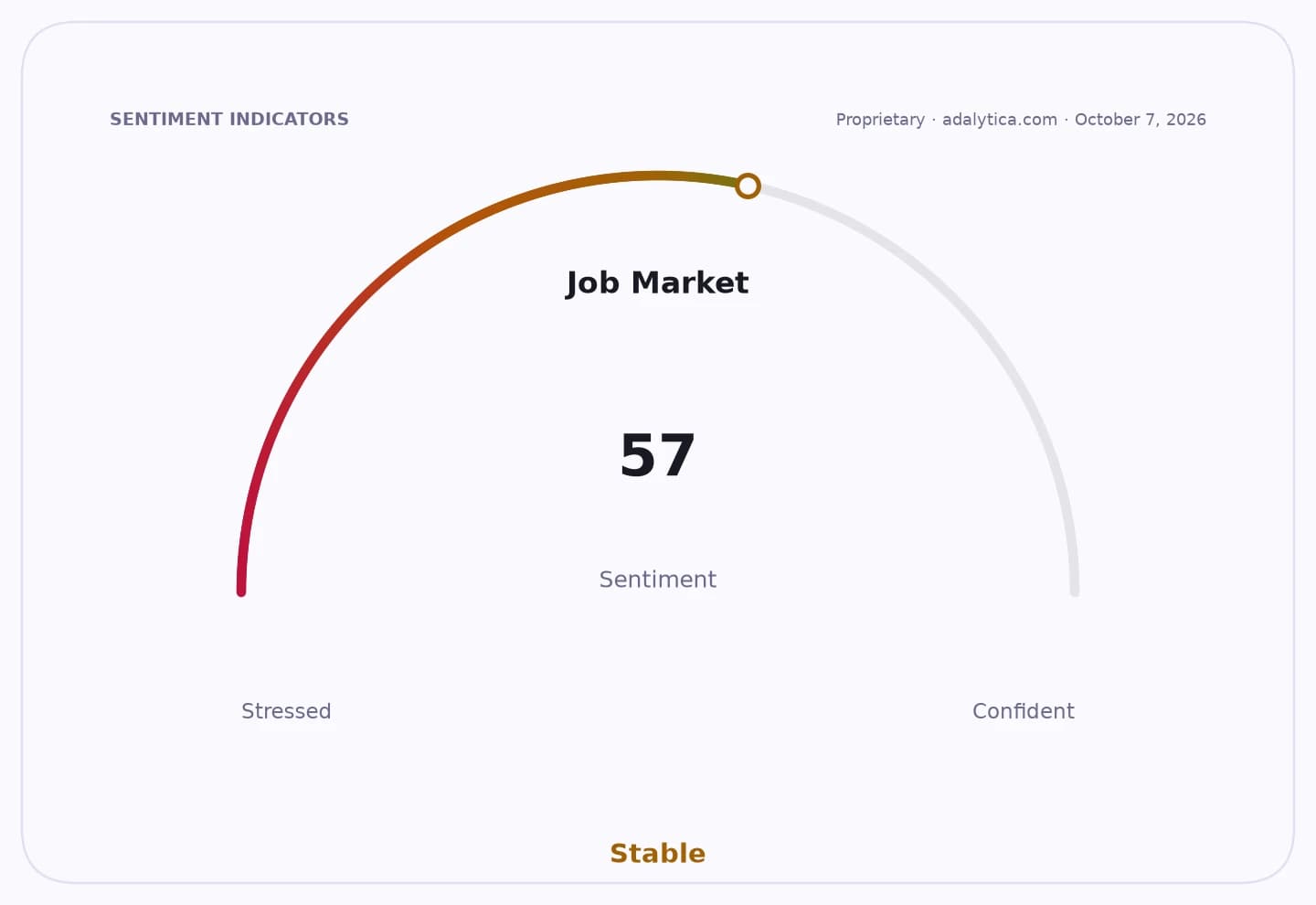
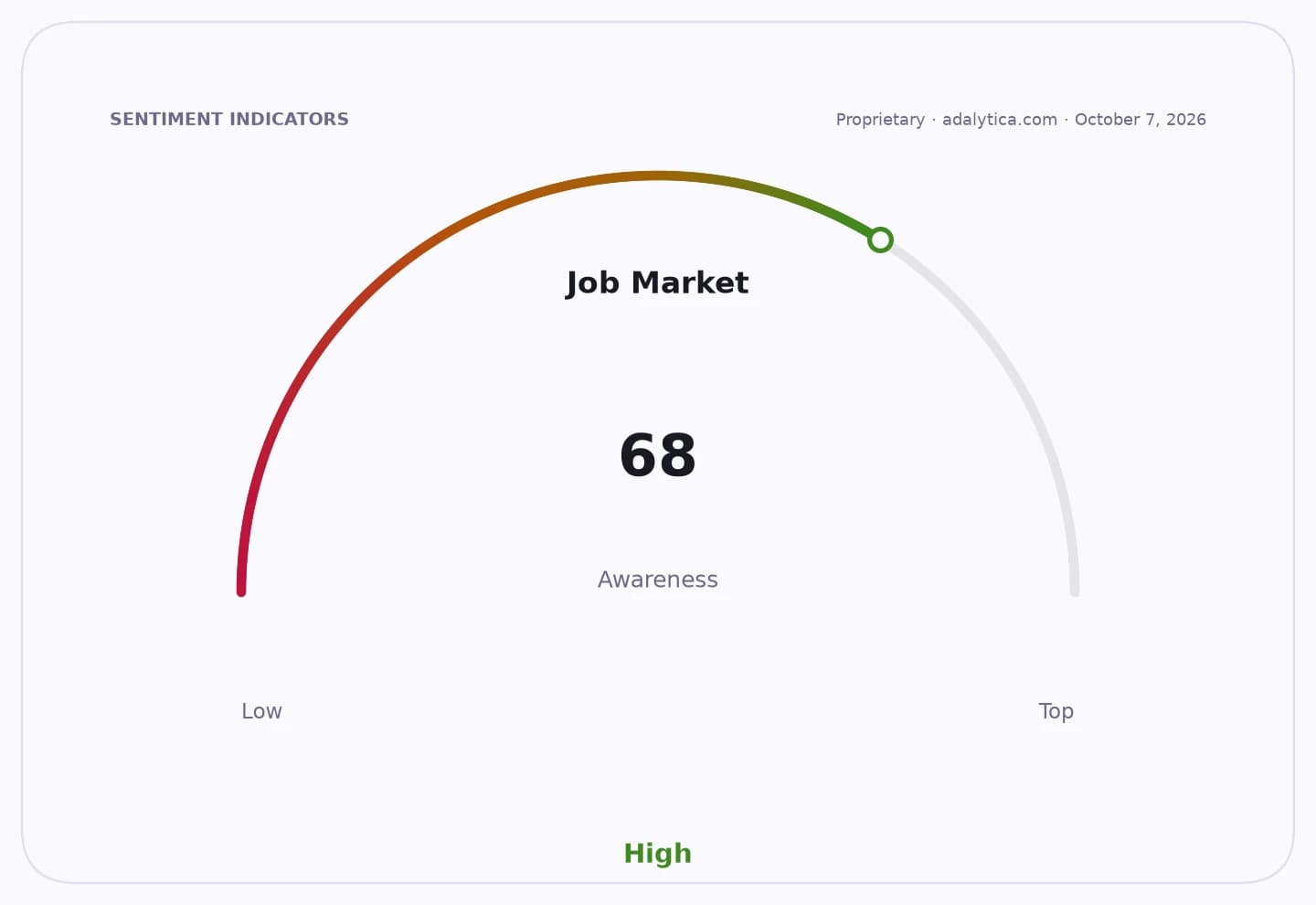
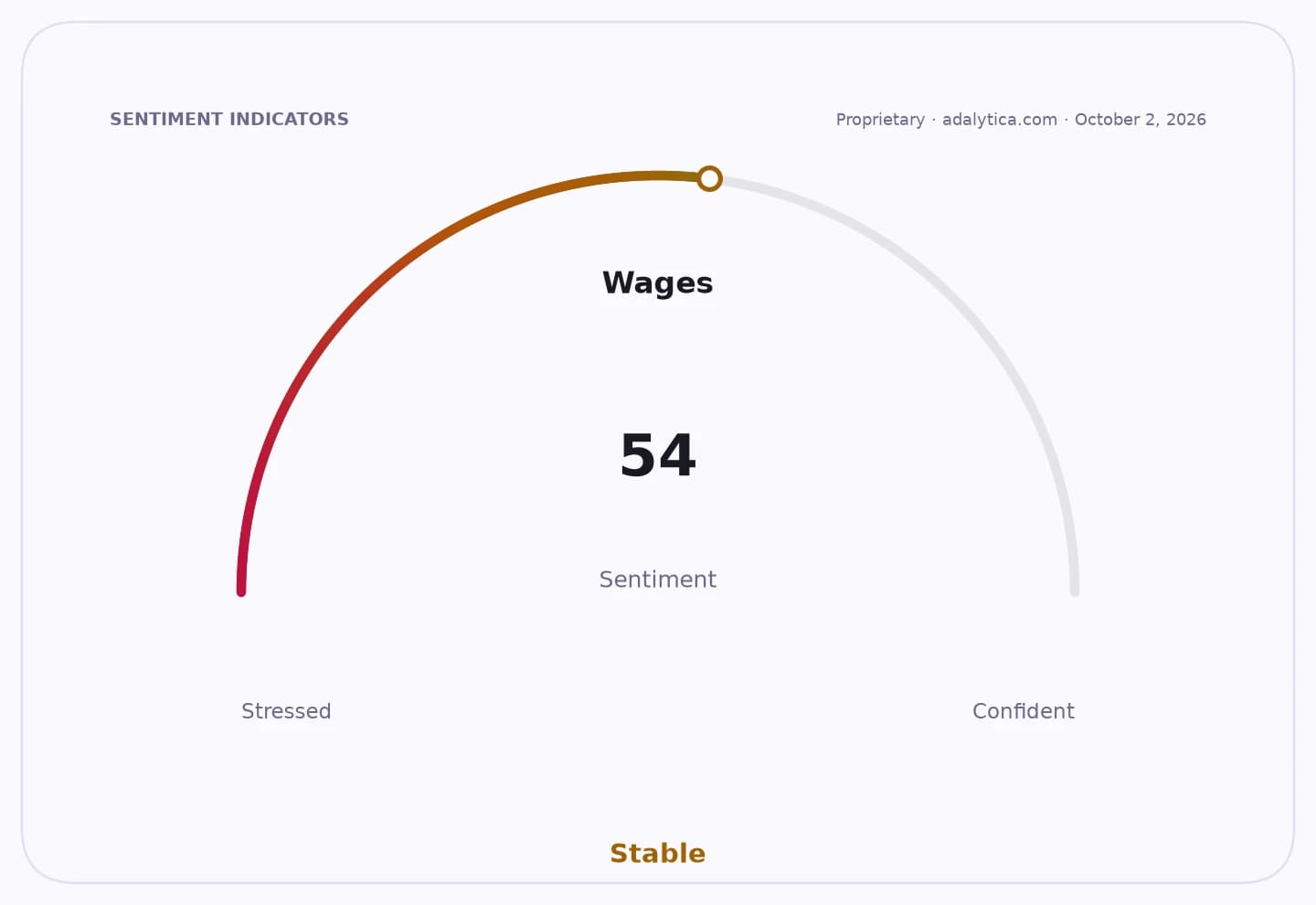
Sentiment IndicatorsⓘProprietary · adalytica.com · October 8, 2026
This is a snapshot — live sentiment, awareness and momentum for 130+ markets update continuously in the dashboard.Open AlphaPulse
The timing is important. Indonesia’s parliament has just approved the new labor law, meeting a Constitutional Court deadline tied to a broader rewrite of employment rules. That makes the 40-hour framework more than a habit or industry convention — it is now part of a formal legal structure that employers must navigate if they want any flexibility. Airlangga’s response suggests the government is not prepared to open the door to longer working hours without safeguards, a sign that policy will continue to favor legal clarity and social protection over a simple race on labor intensity.
For investors, the message is mixed but clear. Companies that rely on cheap, flexible labor may not get the immediate cost relief they want, which could keep margins under pressure in the near term. But a stable legal framework is still better than regulatory ambiguity, especially for long-term capital decisions. If the new law reduces the risk of abrupt policy shifts or labor unrest, that can ultimately support valuations for businesses that need a predictable operating environment. In that sense, certainty may matter more than a one-off increase in hours.
The market also has to weigh Indonesia’s competitiveness against its neighbors. If Vietnam continues to allow longer workweeks, Indonesian manufacturers will keep arguing for reform. But investors should not assume the answer is simply more hours. Over time, productivity gains usually come from automation, better logistics, stronger management and higher-value production, not just more time on the factory floor. That is especially true for companies trying to build durable earnings rather than chase short bursts of output.
The stocks most exposed to the debate are those tied to labor-intensive manufacturing, while the broader economy benefits if the government can preserve worker protections and still improve efficiency. That balance will shape whether Indonesia attracts more export manufacturing or keeps losing ground to regional rivals. For long-term investors, the story is worth watching because labor policy often tells you as much about future competitiveness as earnings do.
| Entity | Gains | Losses |
|---|---|---|
| Indonesian workers | ▲Stronger protections | ▼Longer workweeks |
| Export manufacturers | ▲Potential flexibility later | ▼Higher labor cost pressure |
| Indonesia policymakers | ▲Legal clarity | ▼Pressure to loosen rules |
| Regional rivals like Vietnam | ▲Competitive labor benchmark | ▼Indonesian policy tightening |