Indonesia’s textile association is warning that labor-intensive manufacturers could face collapse within years as higher imported raw-material costs, illegal imports and proposed limits on outsourcing squeeze already thin margins.
Indonesia textiles warn on imports and outsourcing limits
The warning matters because textiles are one of Indonesia’s most labor-heavy industries, and any broad shutdown would hit factory jobs, supplier networks and export earnings while adding pressure to an economy already wrestling with global trade uncertainty and more expensive inputs.
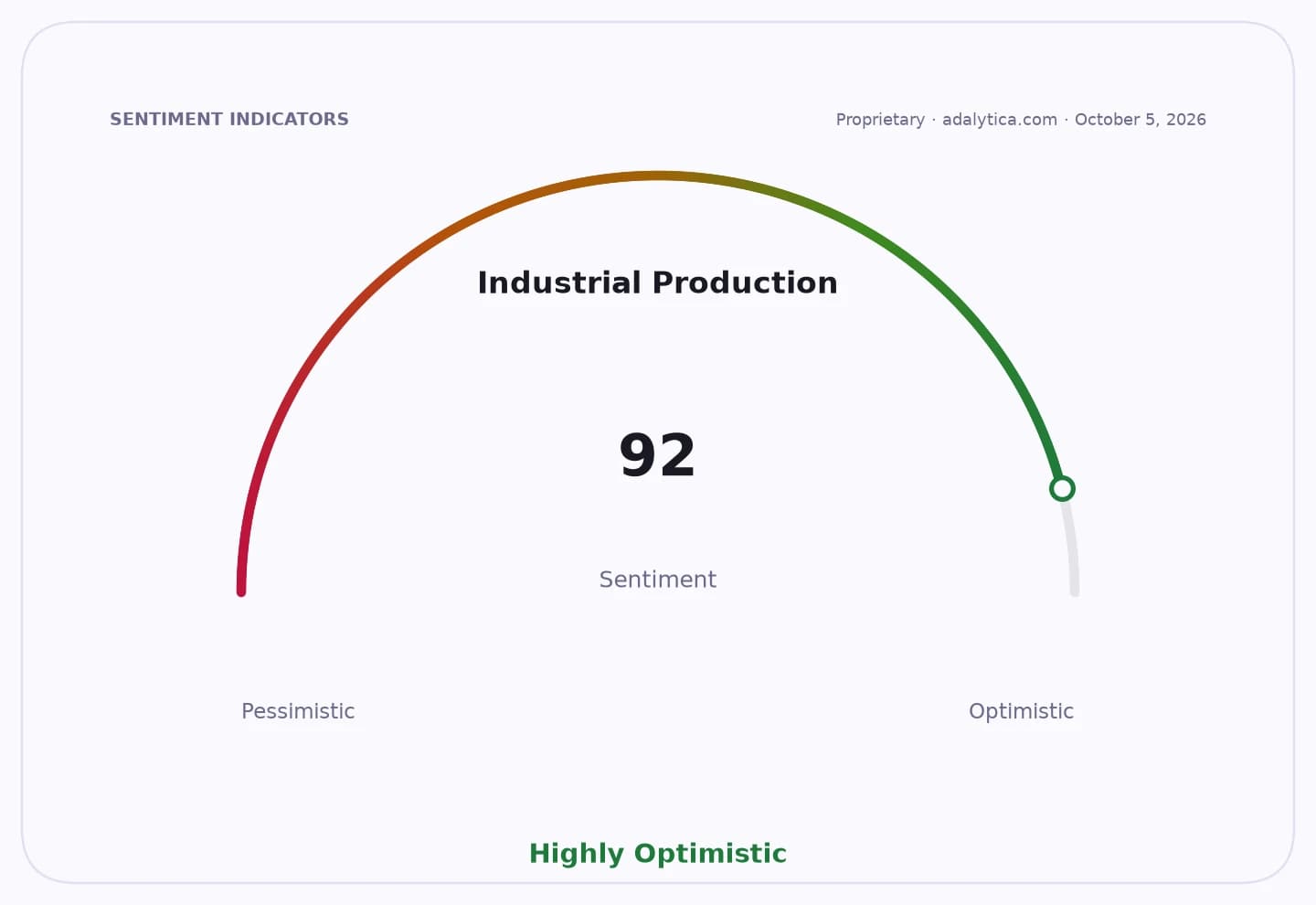
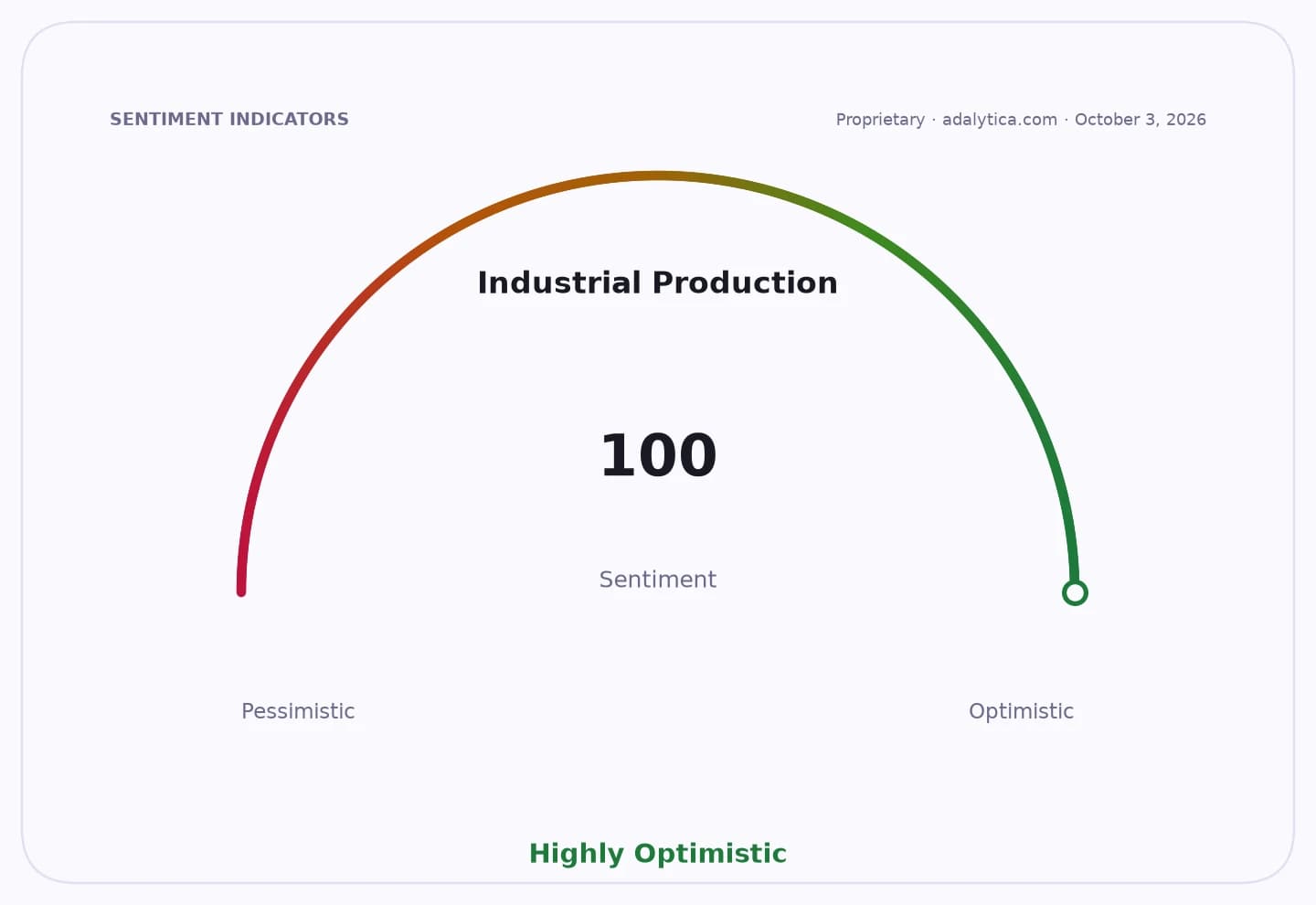
Sentiment IndicatorsⓘProprietary · adalytica.com · October 6, 2026
This is a snapshot — live sentiment, awareness and momentum for 130+ markets update continuously in the dashboard.Open AlphaPulse
API executive director Danang Girindrawardana said geopolitical tensions are feeding directly into the sector through rising prices for imported materials. He said labor-intensive businesses would be the first to face a potential collapse “in the years ahead” if conditions do not improve.
The group also flagged chronic dependence on imported raw materials and a steady influx of imported finished goods into the domestic market, including illegal products that undercut local producers. That combination has left textile firms exposed to both cost inflation and margin compression.
The policy risk is now adding another layer of strain. API chief Jemmy Kartiwa said a draft labor protection law and plans to restrict outsourcing to just four job categories could damage the textile supply chain, especially for smaller firms that rely on subcontracting to handle specific production stages.
In textiles, that outsourcing model is often the difference between staying flexible and being forced to buy costly equipment for every step of production. Jemmy said the sector’s “maklun” system — subcontracting specialized work — is deeply embedded across the industry, and limiting it could break the production chain from upstream to downstream.
The broader economic backdrop is not helping. API said export performance improved in the first half of 2026, but that recovery could be reversed if sales stall and regulation tightens further, with the association already pessimistic about 2027 under the proposed rules.
For investors, the message is that labor-intensive Indonesian manufacturers face a multi-front margin shock: weaker pricing power, higher input costs, and potentially higher compliance burdens. That combination tends to favor larger integrated players and punish smaller subcontractors, while increasing the risk of plant closures, layoffs and order diversion to lower-cost competitors in the region.
The warning also comes as U.S.-listed retail and apparel names remain highly sensitive to global sourcing disruptions, tariff shifts and factory capacity constraints, making Southeast Asian textile supply chains a key watch item for import-dependent brands.
If the draft labor rules move forward, the sector’s next catalyst will be whether policymakers soften the outsourcing limits or introduce exemptions for subcontracted production before firms begin cutting output and employment.
| Entity | Gains | Losses |
|---|---|---|
| Large integrated textile makers | ▲More market share if rivals exit | ▼Higher compliance burden |
| Small subcontractors / maklun firms | ▲Niche work if exempted | ▼Loss of outsourcing demand |
| Imported goods suppliers | ▲Faster penetration of domestic market | ▼Risk of policy backlash |
| Indonesian textile workers | ▲Job retention if policy is eased | ▼Layoff risk if closures accelerate |