Indonesia’s transport ministry is under pressure to close a shortage of about 25 commuter trainsets as demand for KRL services rises faster than domestic supply, forcing officials to weigh whether to import used trains or lean on state builder PT INKA.
Indonesia transport ministry weighs used train imports
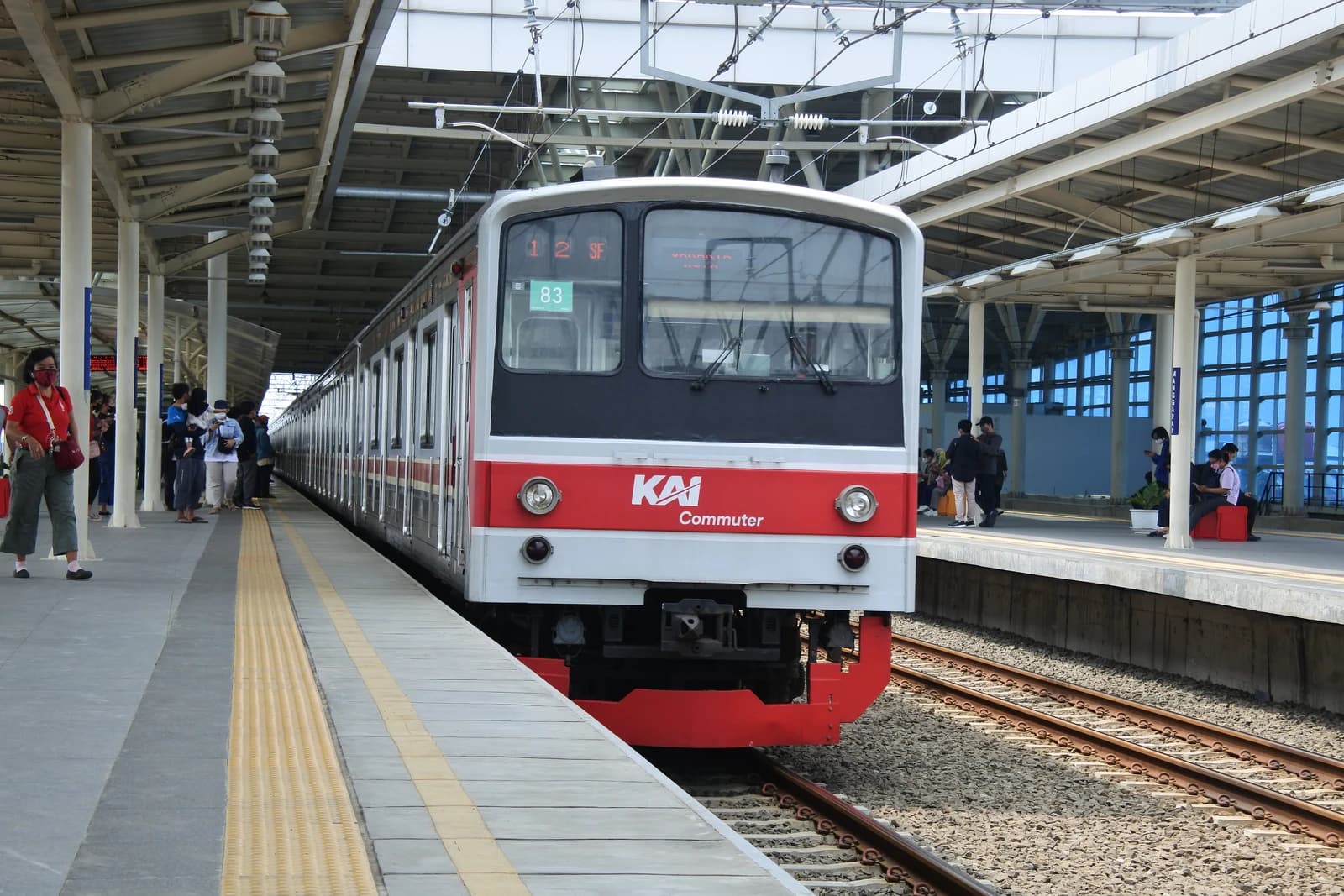
The gap is sizable: the country needs about 105 KRL trainsets, but only around 80 are in service, according to Transportation Minister Dudy Purwagandhi. That shortfall is becoming a policy problem as much as an operational one, because commuter rail is a core part of daily mobility in Jakarta and other urban areas.
Sentiment IndicatorsⓘProprietary · adalytica.com · October 4, 2026
This is a snapshot — live sentiment, awareness and momentum for 130+ markets update continuously in the dashboard.Open AlphaPulse
For investors and industrial stakeholders, the decision will determine where procurement spending flows — overseas used-stock suppliers or domestic manufacturers such as INKA — and how quickly additional capacity can be delivered. Dudy said the government will bring together the transportation, trade and industry ministries, PT KAI, PT INKA and Danantara to design a supply plan, underscoring the issue’s industrial and fiscal weight.
The import option is complicated by safety checks and a 20-year maximum age limit for used rolling stock, while any move toward domestic sourcing would have to account for production bottlenecks. That leaves the government balancing near-term service reliability against its push to strengthen local industry.
The ruling could also have knock-on effects for rail operators, commuters and suppliers tied to maintenance, parts and overhaul work. If imports are approved, service expansion could accelerate sooner; if INKA gets the bulk of the order, the backlog may support domestic manufacturing but risk delaying relief for crowded routes.
With demand still rising, the market will watch for the ministry’s cross-agency decision and whether Jakarta prioritizes speed, safety or industrial policy in filling the 25-trainset gap.
| Entity | Gains | Losses |
|---|---|---|
| PT INKA | ▲Potential domestic orders | ▼Missed import-led contracts |
| Used train suppliers | ▲Near-term sales opportunity | ▼Age-limit and approval risk |
| PT KAI/commuters | ▲Faster capacity if imports proceed | ▼Delays if local output lags |
| Government industry agenda | ▲Local manufacturing support | ▼Forced trade-off on urgency |