Pelindo says five years after its merger, Indonesia’s state-owned port network has become materially more efficient, with container terminal productivity rising more than 70% as the company standardizes operations and shifts equipment to where it is needed most.
Pelindo Says Port Productivity Rose After Merger
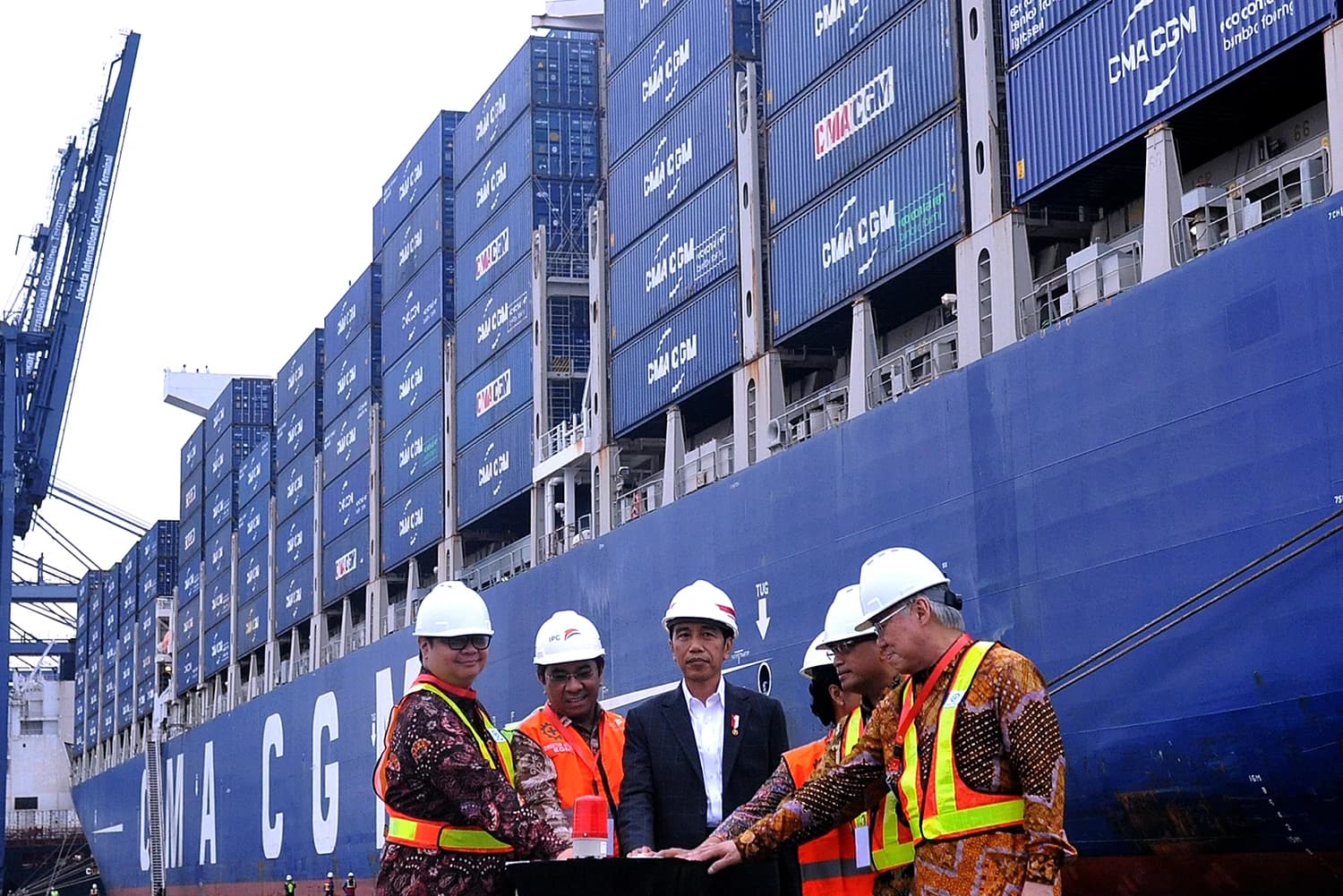
The gain matters because ports are a chokepoint for trade, and even modest improvements in vessel turnaround times can ripple through the wider economy by lowering logistics costs, reducing congestion and improving the reliability of export and import flows. For Indonesia, where transport inefficiencies have long weighed on supply-chain costs, the ability to move more cargo through existing assets is as important as building new capacity.
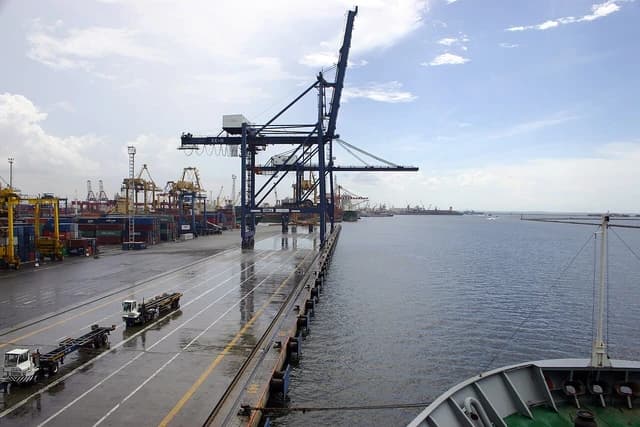
PT Pelindo Terminal Petikemas said the transformation, which began after the 2021 merger, has cut port stay and cargo stay, improved service quality across nearly all of its 32 terminals and opened room for new routes and commercial partnerships. The company’s logic is straightforward: once terminals operate under common standards, best practices in staffing, systems and equipment can be spread across the network instead of being trapped inside individual sites.
That is especially relevant for capital allocation. Rather than forcing every terminal to own the same amount of equipment, the merger allows Pelindo to redeploy cranes and other assets from better-stocked terminals to locations with bottlenecks. In industry terms, the group is trying to extract more throughput from the same asset base, which can boost returns on invested capital while limiting the need for heavy new spending.
For shippers, the commercial value is shorter dwell times and fewer delays. For Pelindo, the prize is not just operational efficiency but greater pricing power and a stronger case to win new services if customers see the network as more predictable. If productivity remains elevated, the company can potentially absorb more volume without proportional cost increases, a dynamic that tends to support margins.
The broader backdrop is a region where port performance has become a competitive variable in its own right. Recent operational criticism at Durban in South Africa underscores how quickly poor communication and inconsistent execution can damage trade flows and raise costs for users. Against that setting, Pelindo’s push for standardization is part of a wider race among port operators to convert scale into reliability.
The key question for investors is whether the reported gains are durable and repeatable across the network. A one-off efficiency jump is useful, but a sustained improvement in turnaround times, asset utilization and route wins would suggest the merger is translating into structural earnings power. Any slowdown in trade volumes or slippage in service quality would test that thesis.
| Entity | Gains | Losses |
|---|---|---|
| Pelindo / PT Pelindo Terminal Petikemas | ▲Higher productivity, better asset use | ▼Higher execution burden |
| Shippers and cargo owners | ▲Shorter port stay, lower logistics costs | ▼Less tolerance for delays |
| Indonesian economy | ▲Improved trade efficiency, better connectivity | ▼Congestion-related costs decline |
| Inefficient rival ports | ▲Less competitive pressure if reform lags | ▼Share of cargo and routes |