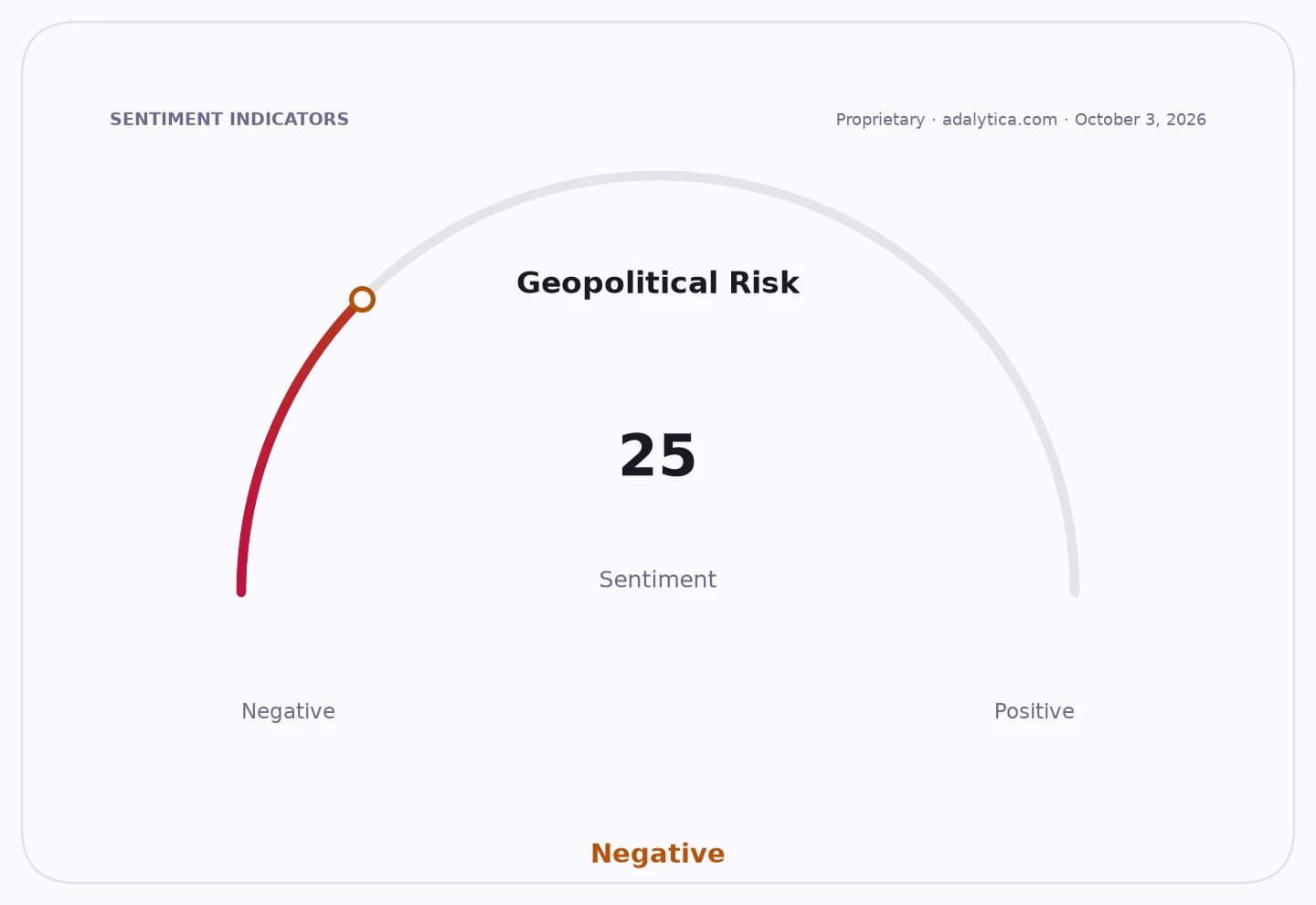
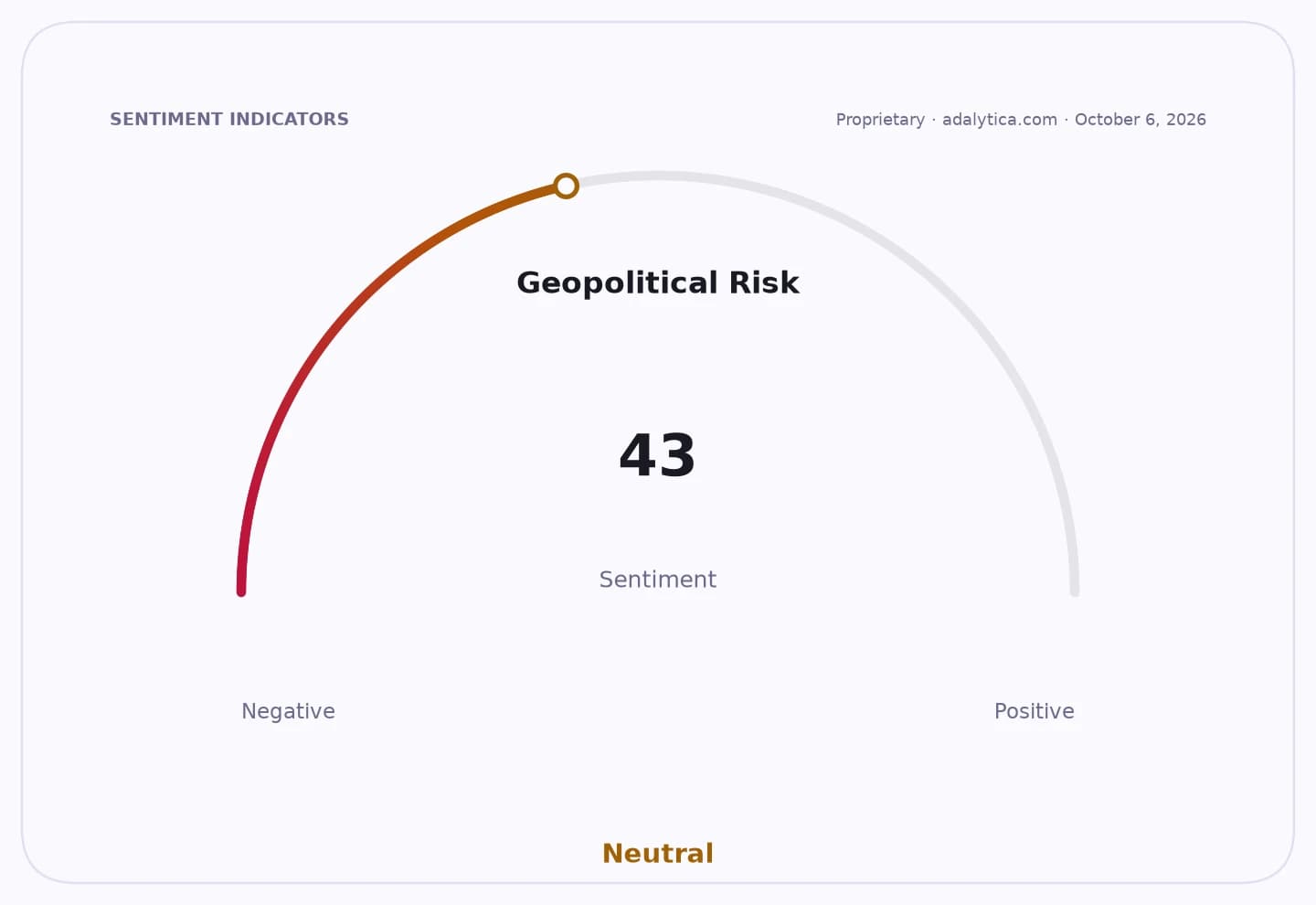
European logistics and shipping groups are heading into third-quarter earnings with freight demand still resilient and spot container rates elevated, giving carriers such as Hapag-Lloyd and Maersk room for another round of guidance upgrades while forwarders including DSV, Kuehne+Nagel and DHL benefit from supply-chain disruption and higher-margin services.
European logistics groups face higher freight rates
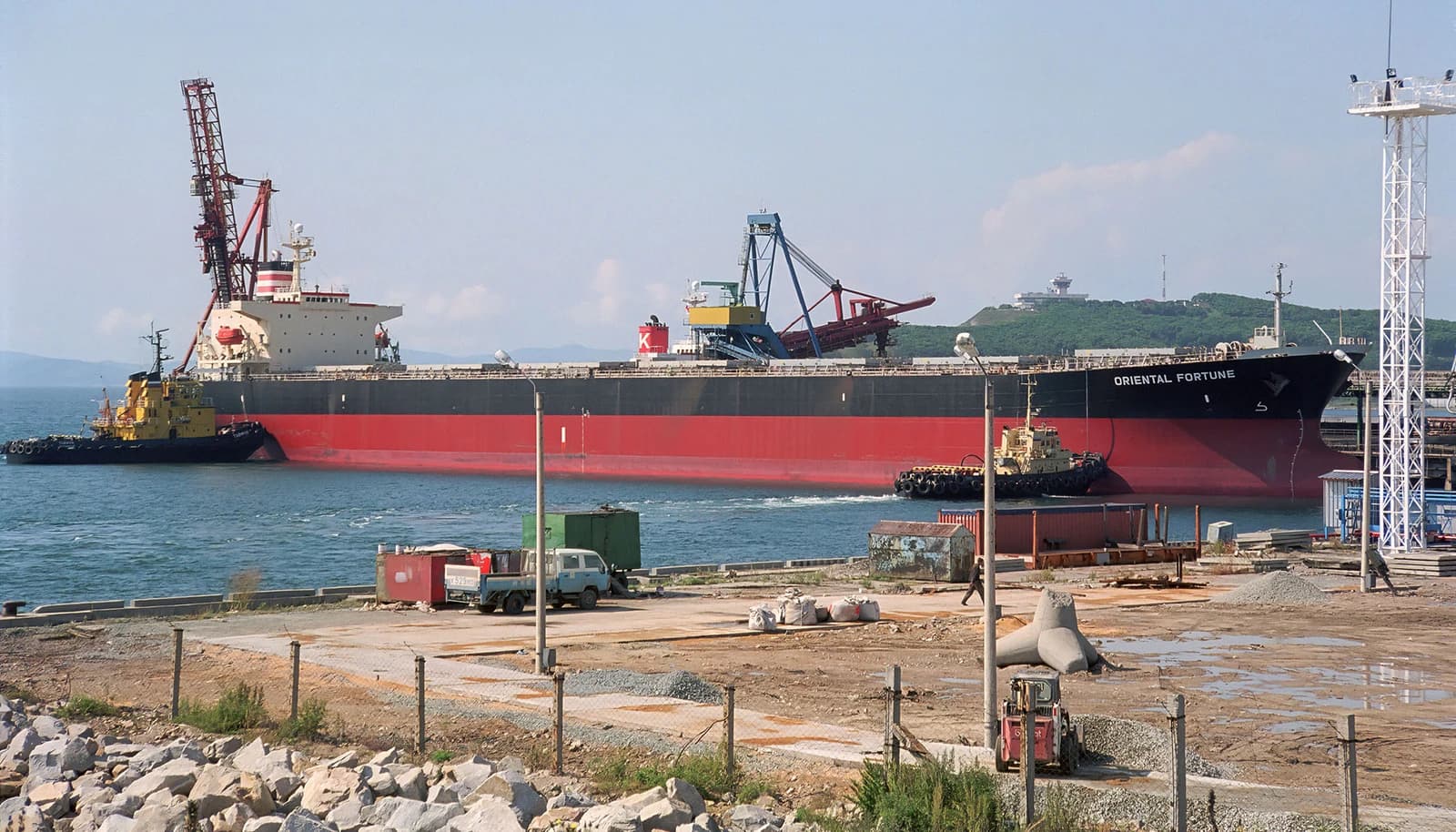
The strongest earnings leverage sits with ocean carriers, whose profits move closely with freight rates. Spot container prices on the China-to-U.S. East Coast route have returned to post-pandemic levels and could set new records if fuel costs keep climbing on the back of the U.S.-Israel war with Iran, adding another layer of support to shipping revenue.
Hapag-Lloyd has already raised its full-year outlook, and Bernstein expects Maersk to follow with a third increase this year. That would underscore how persistent pricing power has outlasted earlier fears of a broader freight slowdown, even as trade flows normalize only gradually.
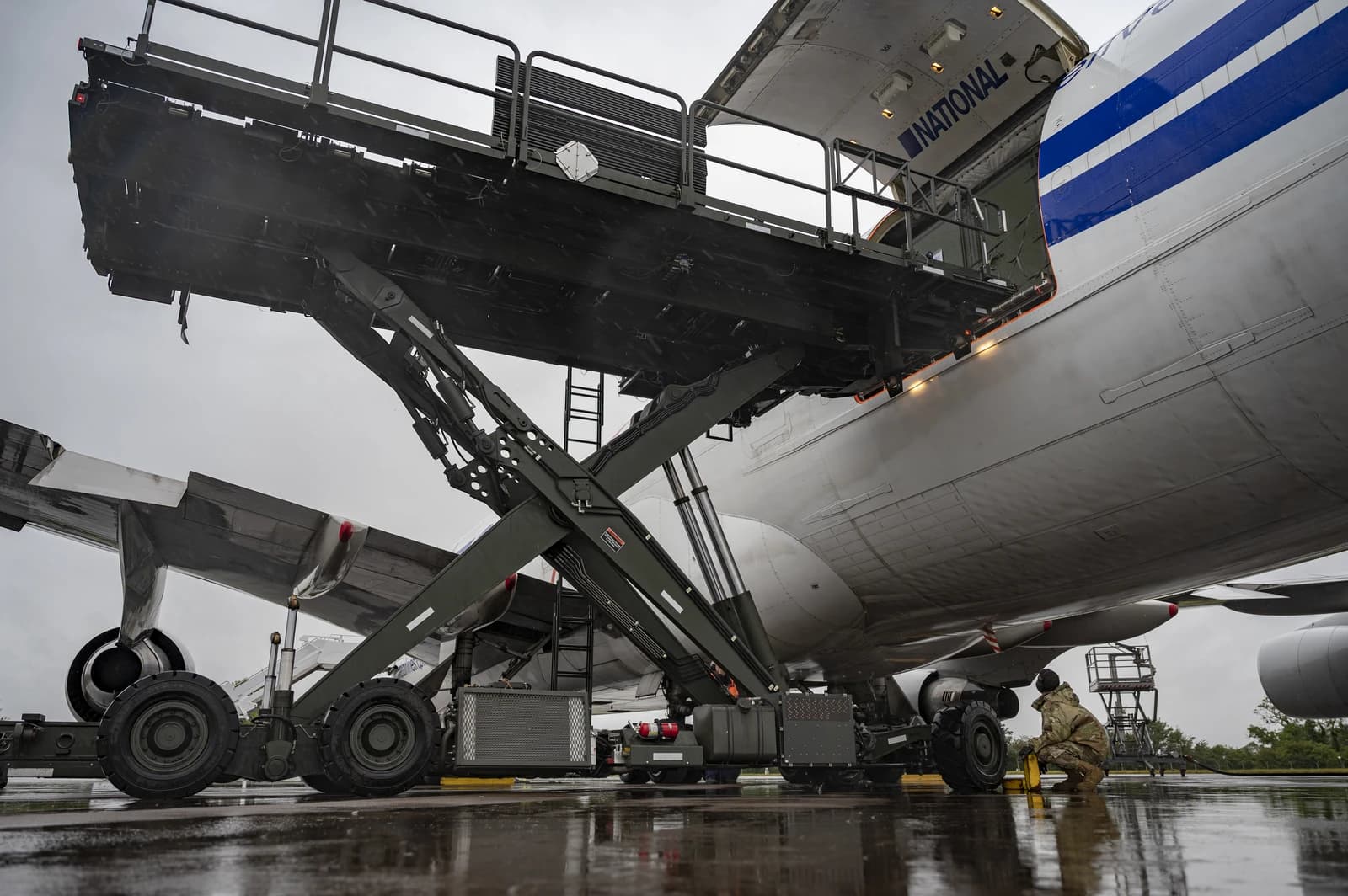
Forwarders are also set to report solid quarters, but the earnings pickup is less direct. Morningstar’s Ben Slupecki said rate inflation does not flow through to freight brokers as cleanly as it does to shipowners, though complex supply chains are pushing more shippers toward large operators that can manage global networks and sell higher-margin customs, insurance and warehousing services.
Investors have rewarded the sector this year. Maersk has led European logistics shares higher on expectations of another forecast upgrade, while DSV has lagged after integration worries around Schenker and a weaker second quarter. J.P. Morgan said it is watching for signs that DHL can capture more supply-chain-related profit and return to profitable growth, while Kuehne+Nagel is also expected to post strong results in the third and fourth quarters.
DSV opens the sector’s third-quarter reporting season on Oct. 21, and the key question for investors is how long the rate backdrop can stay supportive as some shipping lines, including Maersk, Hapag-Lloyd, MSC, CMA CGM and Cosco, gradually restore services through the Red Sea and Suez Canal. Analysts say that reopening is unlikely to hit 2026 earnings materially, but a fuller normalization of routes could pressure freight rates more meaningfully into 2027.
| Entity | Gains | Losses |
|---|---|---|
| Ocean carriers | ▲Higher freight revenue | ▼Rate normalization risk |
| Forwarders | ▲Demand for complex logistics | ▼Less direct rate upside |
| Shippers/importers | ▲Gradual route reopening | ▼Higher transport costs |
| DSV | ▲Supply-chain service demand | ▼Schenker integration pressure |