China has stopped container shipping along the Arctic route to Europe, including much of the Northern Sea Route, until next summer’s navigation season, cutting off a niche trade lane that moved high-value cargo and briefly offered exporters a faster path west.
China pauses Arctic shipping route to Europe
The pause matters because the route has been one of the few logistical alternatives for China-Europe trade as geopolitics and conflict keep disrupting conventional lanes. The seasonal shutdown also underscores how fragile Arctic shipping remains as a commercial proposition: it depends on a narrow ice-free window, specialized vessels and policy support, and cannot yet compete with established sea routes on reliability.
China’s state broadcaster said the route will reopen next summer after the navigation season ends. In eight voyages this year, the corridor carried 7,760 TEU of cargo worth $795 million, with electric vehicles, batteries and energy-storage systems making up most of the shipments.
For investors, the immediate read-through is mixed. Container lines and Arctic logistics operators lose a seasonal revenue stream, while the trade in EVs and battery-related exports may be forced back onto longer and less efficient routes. Shipping names exposed to Asia-Europe flows could see little direct impact from the shutdown itself, but the episode reinforces the strategic value of route diversification as wars, sanctions and weather keep reshaping maritime networks.
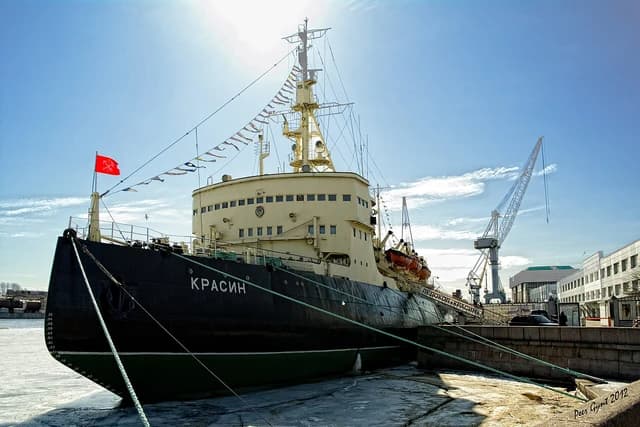
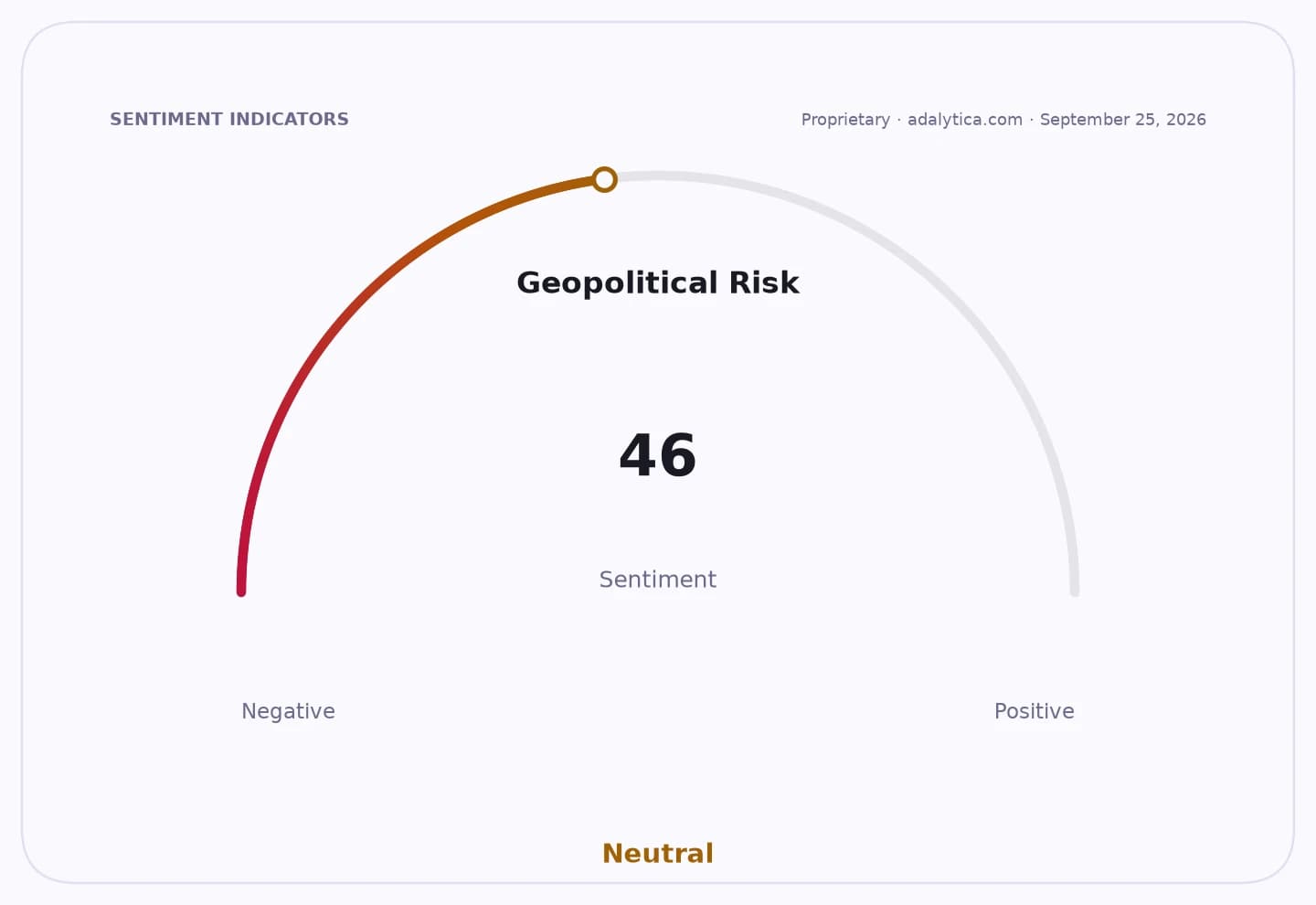
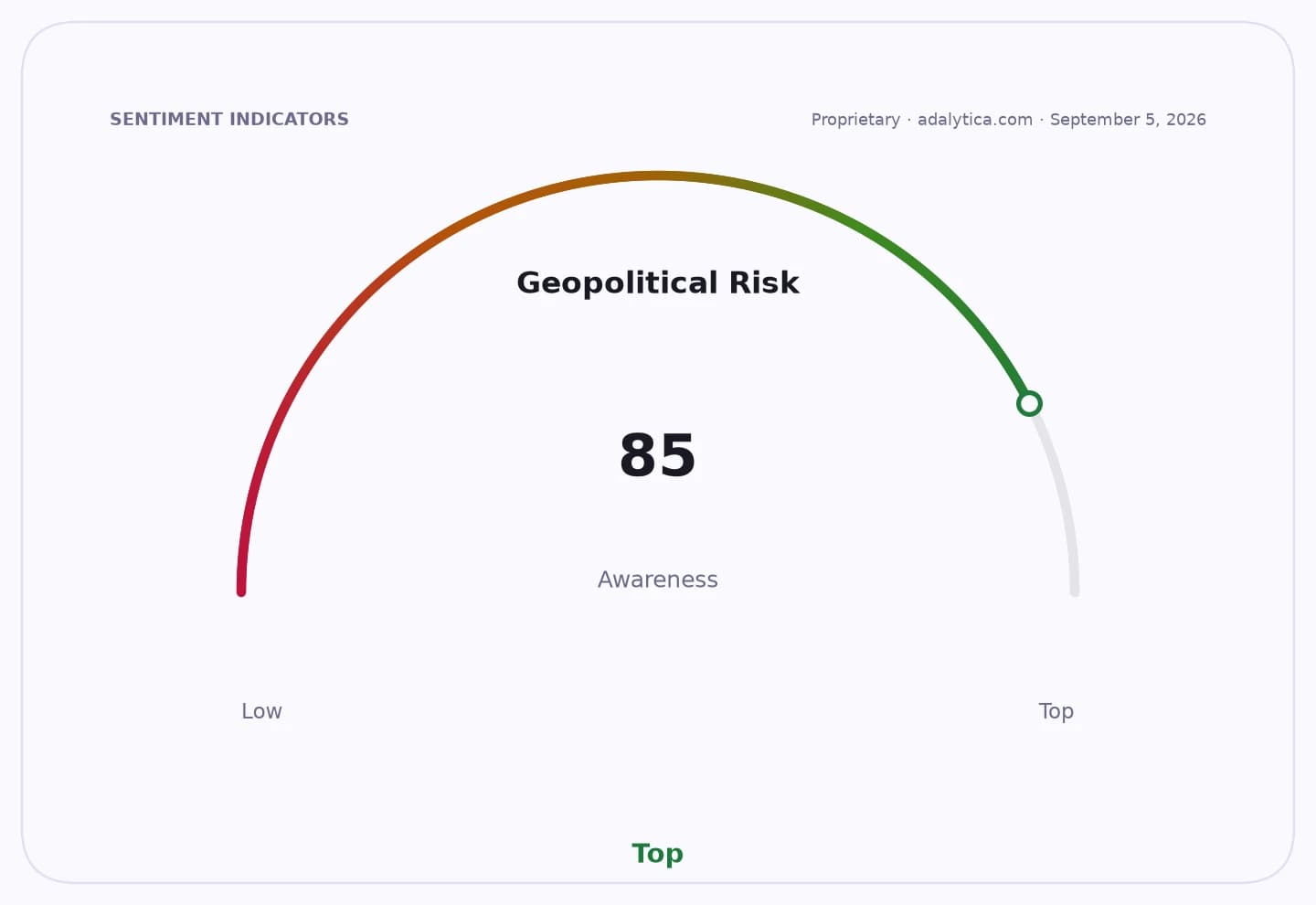
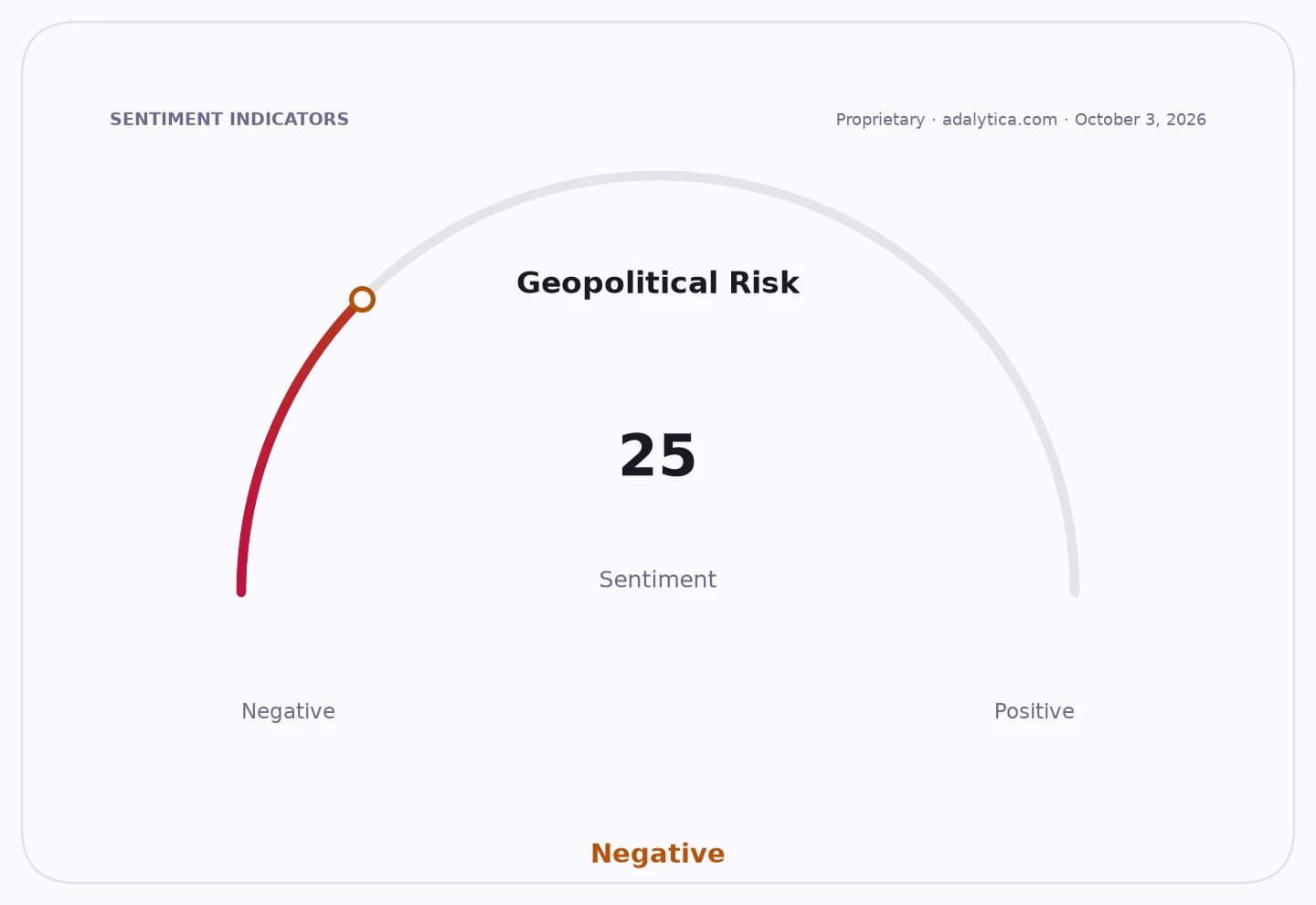
The move also lands against a backdrop of rising geopolitical strain in shipping, with Russia seeking to expand alternatives through northern routes and global freight markets still absorbing reroutes linked to the Red Sea, Black Sea and Baltic. Oil at around $96.72 a barrel and the 10-year U.S. Treasury yield near 5.29% add to the cost pressure facing transport-intensive supply chains, even if the Arctic lane remains a small part of global volumes.
The key question now is whether China’s Arctic experiment resumes next year with more sailings, more cargo and broader commercial support, or remains a seasonal pilot for time-sensitive exports rather than a meaningful rival to traditional Eurasian shipping lanes.
| Entity | Gains | Losses |
|---|---|---|
| China exporters of EVs, batteries | ▲Faster seasonal access to Europe | ▼Need longer fallback routes |
| Arctic shipping operators | ▲Future reopenings, niche demand | ▼Lost current-season revenue |
| Traditional Asia-Europe carriers | ▲More cargo on standard lanes | ▼Less route diversification pressure |
| Russia’s Northern Sea Route push | ▲Proof of strategic relevance | ▼Slower commercial momentum |