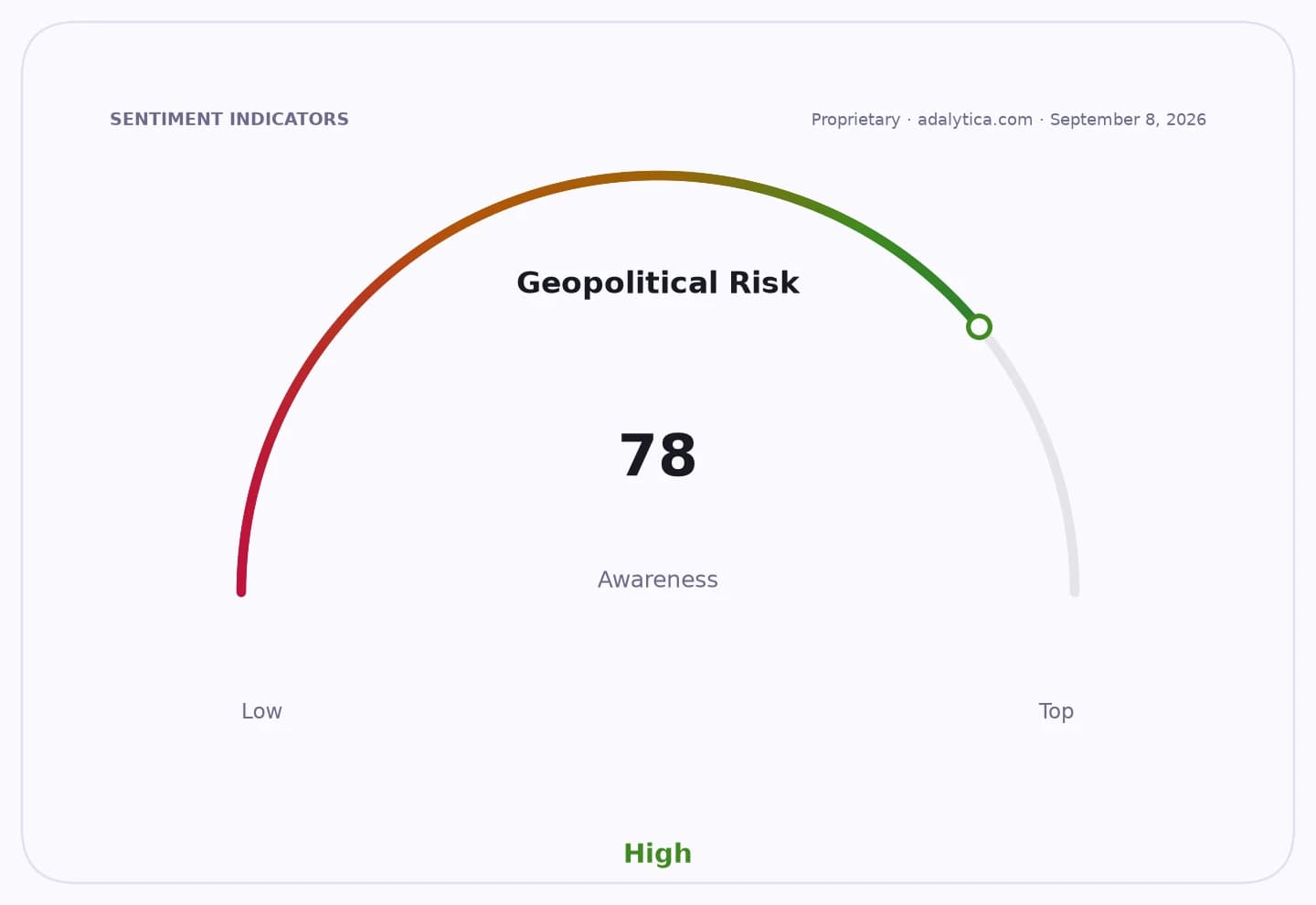
China’s stepped-up construction in the South China Sea is intensifying a contest that now reaches well beyond territorial claims, because control over the waterway would influence trade routes, energy access and the regional balance of power that underpins Asian markets.
China South China Sea buildup raises market risk
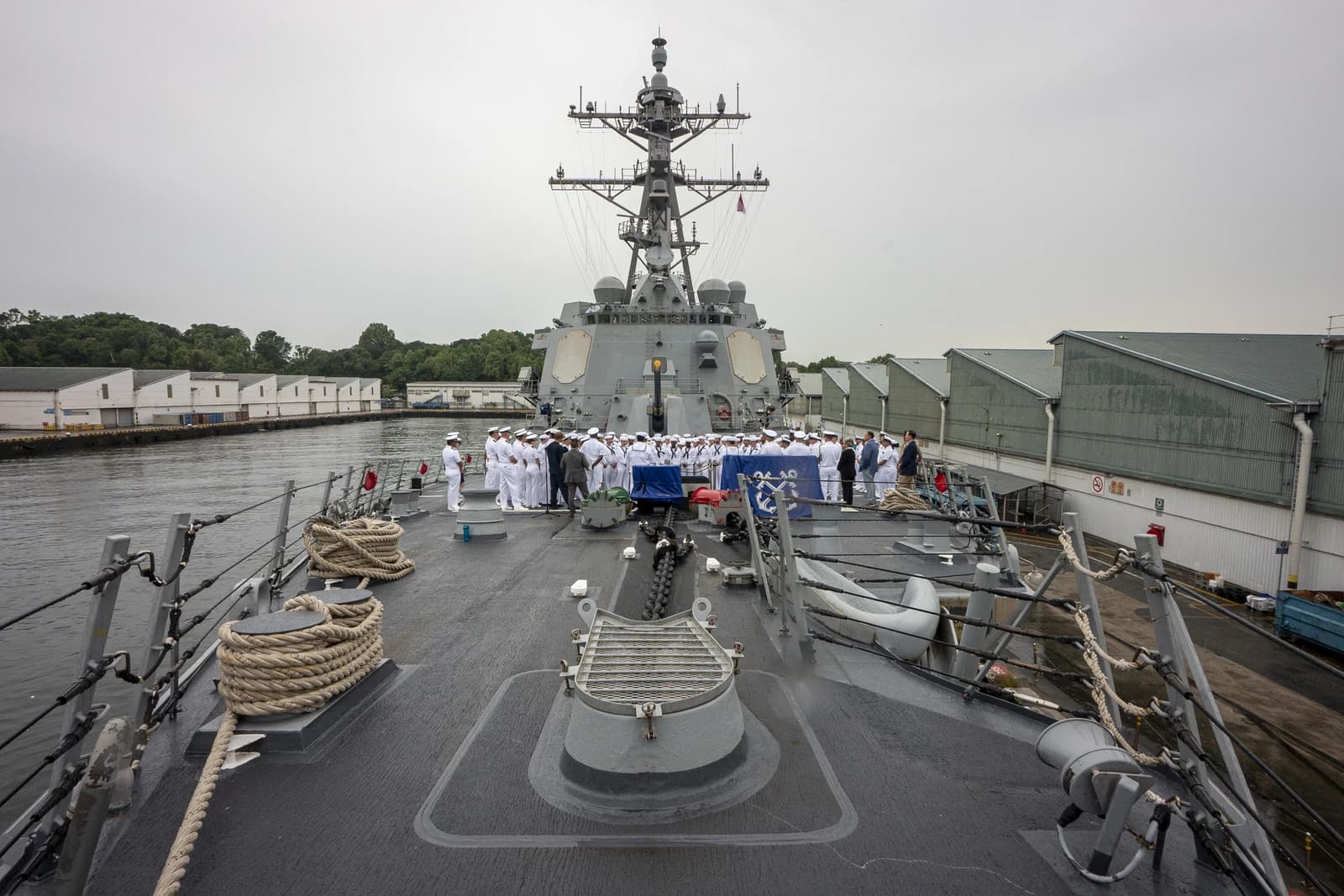
The latest reporting points to accelerated Chinese work on Antelope Reef, including runway development, alongside a broader pattern of island building and military infrastructure that Beijing has pursued for years to turn legal claims into physical control. For investors, that matters because the South China Sea carries more than a third of global seaborne trade, or goods worth over $7 trillion, while also sitting atop significant hydrocarbons and fisheries.
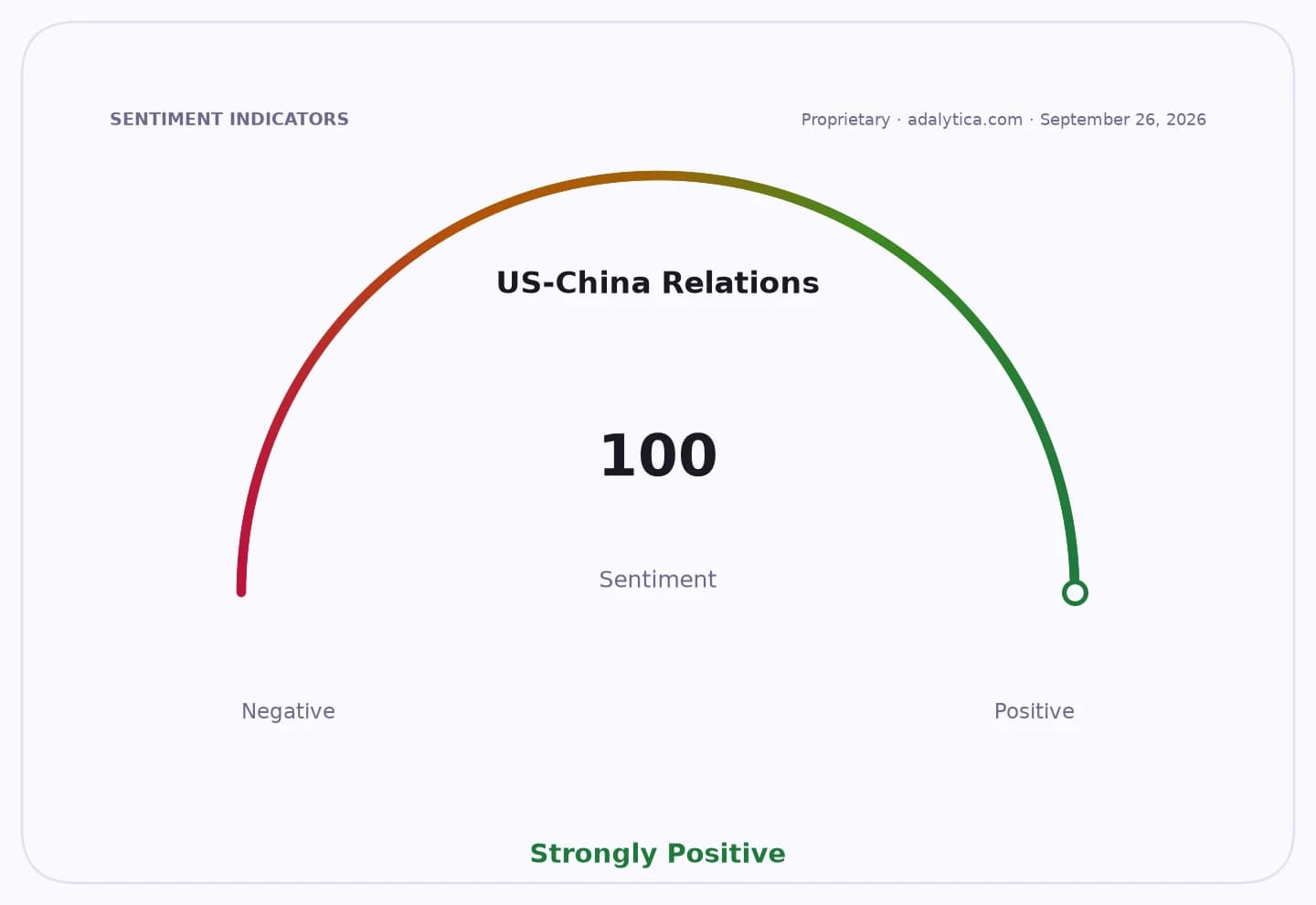
Sentiment IndicatorsⓘProprietary · adalytica.com · October 3, 2026
This is a snapshot — live sentiment, awareness and momentum for 130+ markets update continuously in the dashboard.Open AlphaPulse

That combination makes the dispute an economic issue as much as a geopolitical one. The U.S. Energy Information Administration has estimated confirmed and probable reserves in the wider area at about 3.6 billion barrels of oil and liquids and 40.3 trillion cubic feet of natural gas, while the U.S. Geological Survey has put undiscovered resources even higher. Even if those estimates are uncertain, the strategic value is clear: whoever shapes access and security in the sea can influence supply chains, commodity flows and the cost of doing business across Asia.
The confrontation is also becoming more institutionalized. The Philippines has deployed ships and aircraft to block Chinese vessels, while Washington continues to build military ties with Manila, Japan and Australia and works with European and Indo-Pacific partners on freedom of navigation. That deepens the risk of accidents or miscalculation, even if a full-scale war remains unlikely because Beijing understands the economic cost of open conflict.
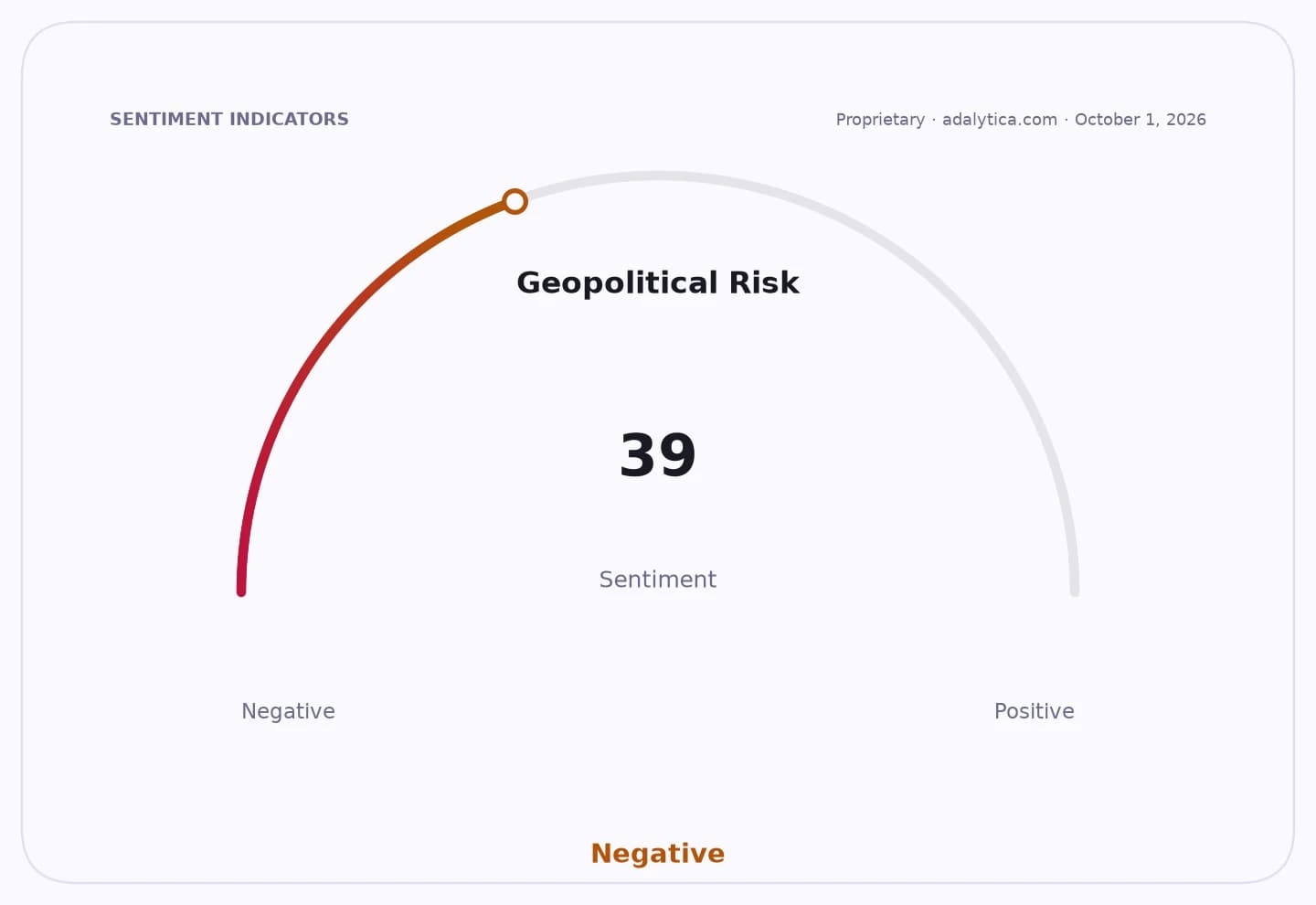
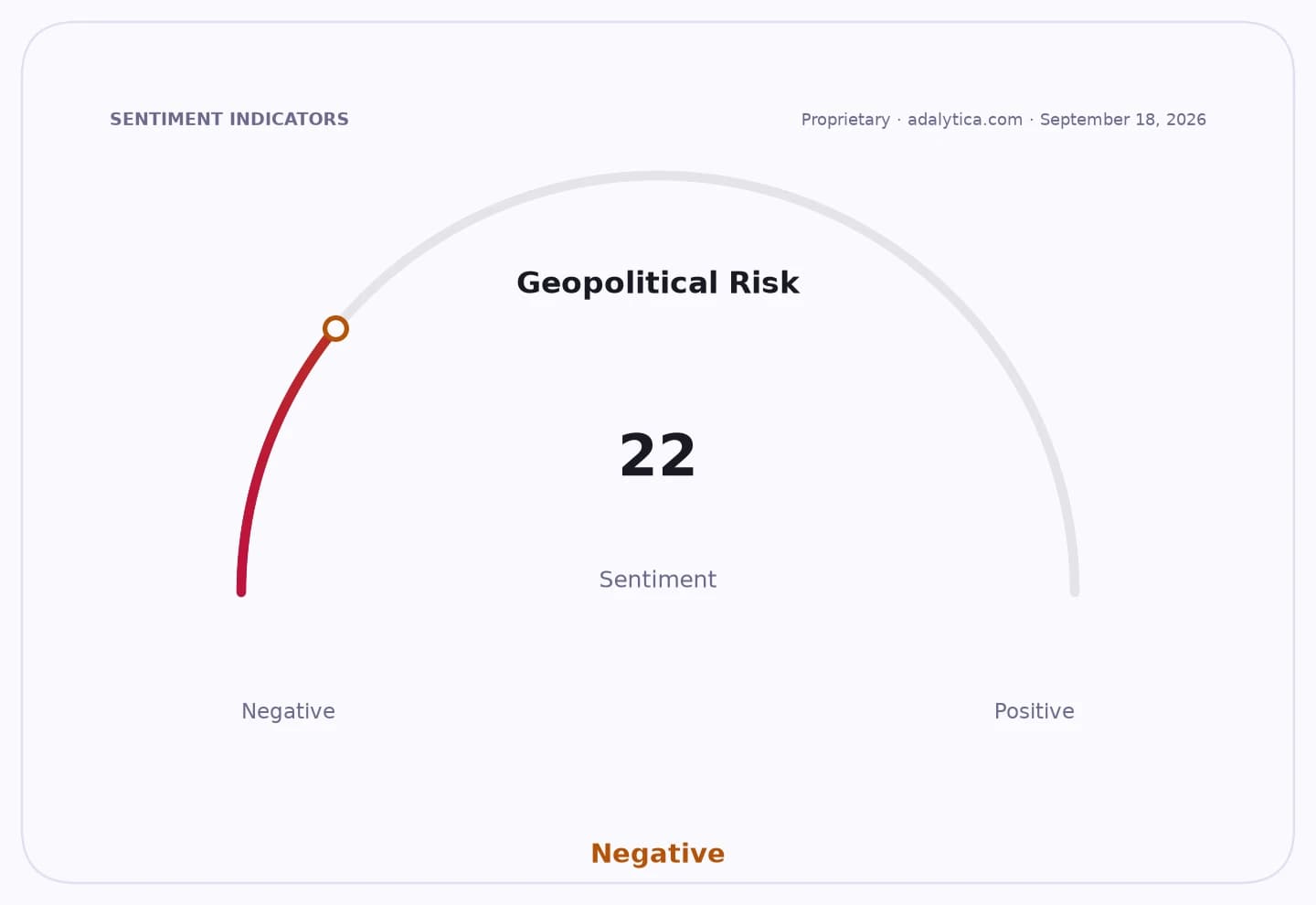
Geopolitical Risk vs FXIadalytica.com
Explore this data interactively — full history, time series and cross-market comparisons.Open AlphaPulse
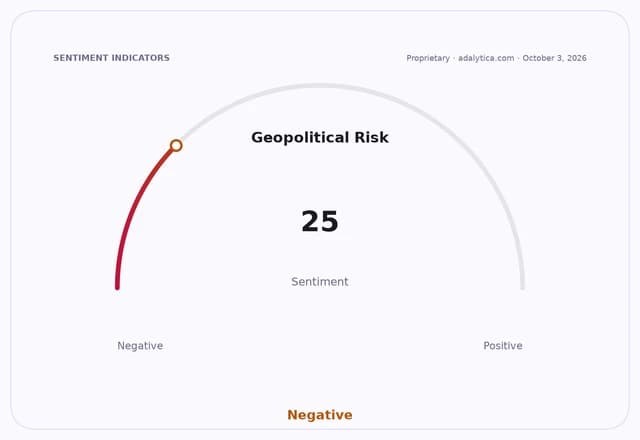
Markets have not priced in a direct military escalation, but they are sensitive to the spillover risk. China-focused equities, tracked by FXI, have been weak recently, with the fund sliding to $33.19 on Oct. 2 from $40.34 in January, and momentum indicators such as the 50-day moving average and RSI suggesting a softer technical backdrop. Broader emerging-market equities, via EEM, have held up better, and Korea’s EWY has outperformed on a relative basis, but renewed tensions in the South China Sea would likely favor defensives, shipping risk hedges and U.S.-aligned security beneficiaries over China-sensitive cyclicals.
The narrative for investors is not imminent war, but persistent strategic friction. Beijing appears intent on consolidating a long-term presence without crossing the threshold that would trigger a damaging military response, while the U.S. and its allies seek to preserve freedom of navigation and prevent a Chinese-led regional order. That means the South China Sea remains a live tail risk for trade, energy and Asia allocations, with the next flashpoint likely to come from a standoff at sea rather than a formal declaration on land.
| Entity | Gains | Losses |
|---|---|---|
| China | ▲Strategic control; leverage over trade lanes | ▼Escalation costs; sanctions risk |
| Philippines/U.S. allies | ▲Security ties; collective deterrence | ▼Exposure to maritime standoffs |
| Shipping/importers | ▲Clearer deterrence if tensions ease | ▼Higher route and insurance costs |
| China equities (FXI) | ▲Limited upside from stability | ▼Geopolitical risk premium |