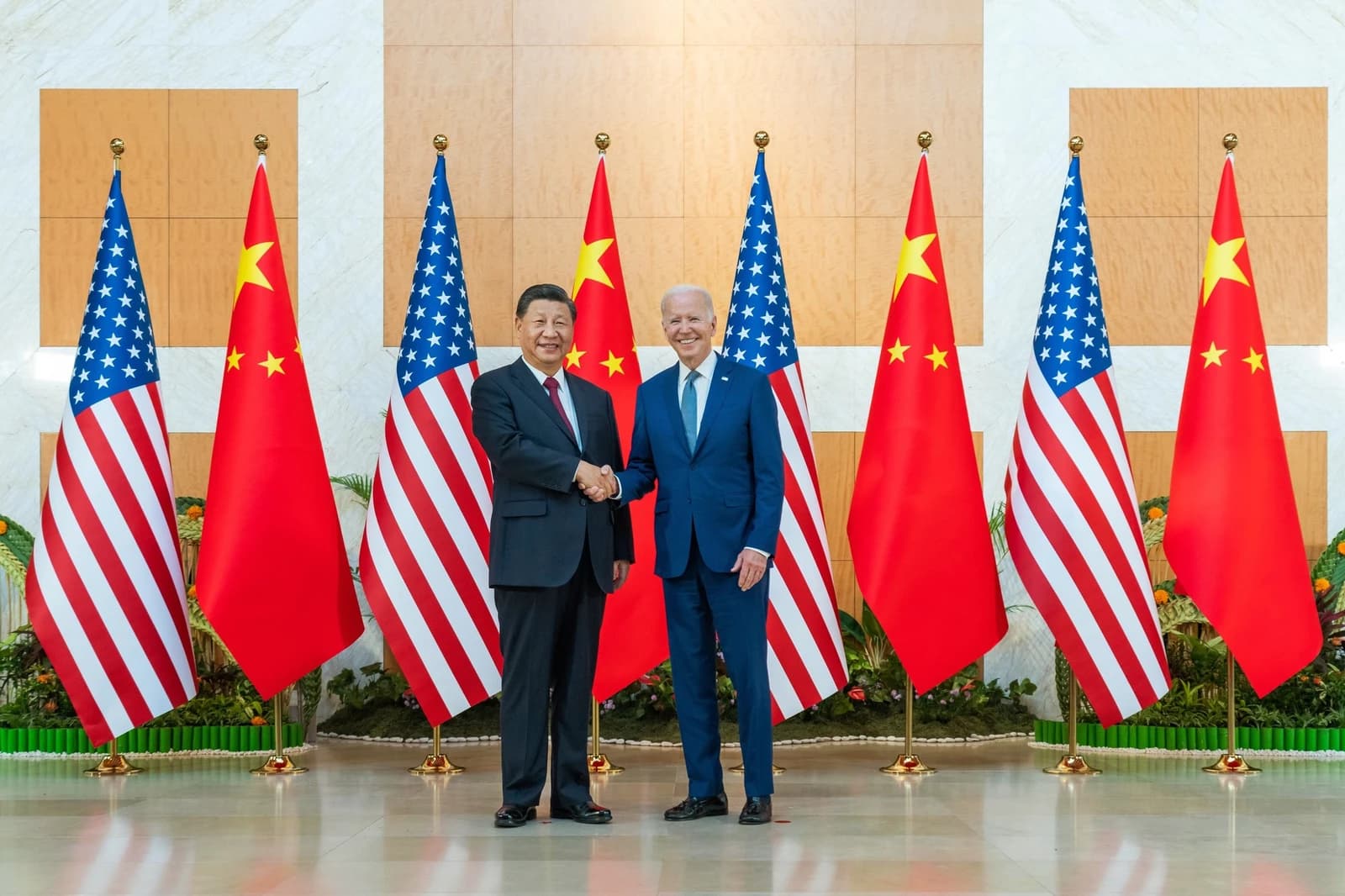
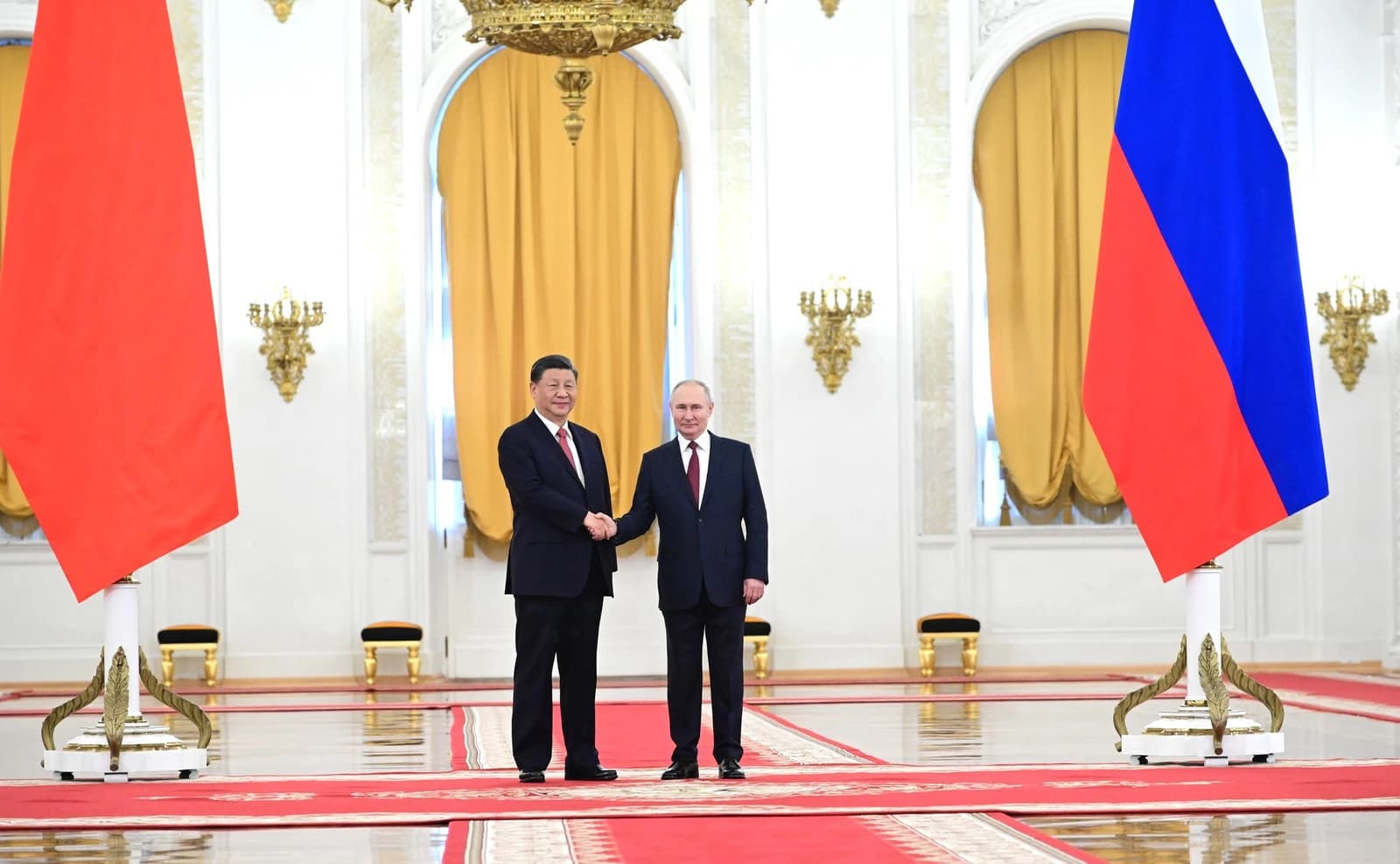
China is pushing back hard against a new U.S. sanctions bill on Russia because it could expose the world’s biggest Russian energy buyers to tariffs of as much as 100%, a move that raises the stakes for trade, oil flows and already fragile U.S.-China relations.
China Faces 100% Tariff Risk in Russia Sanctions Bill
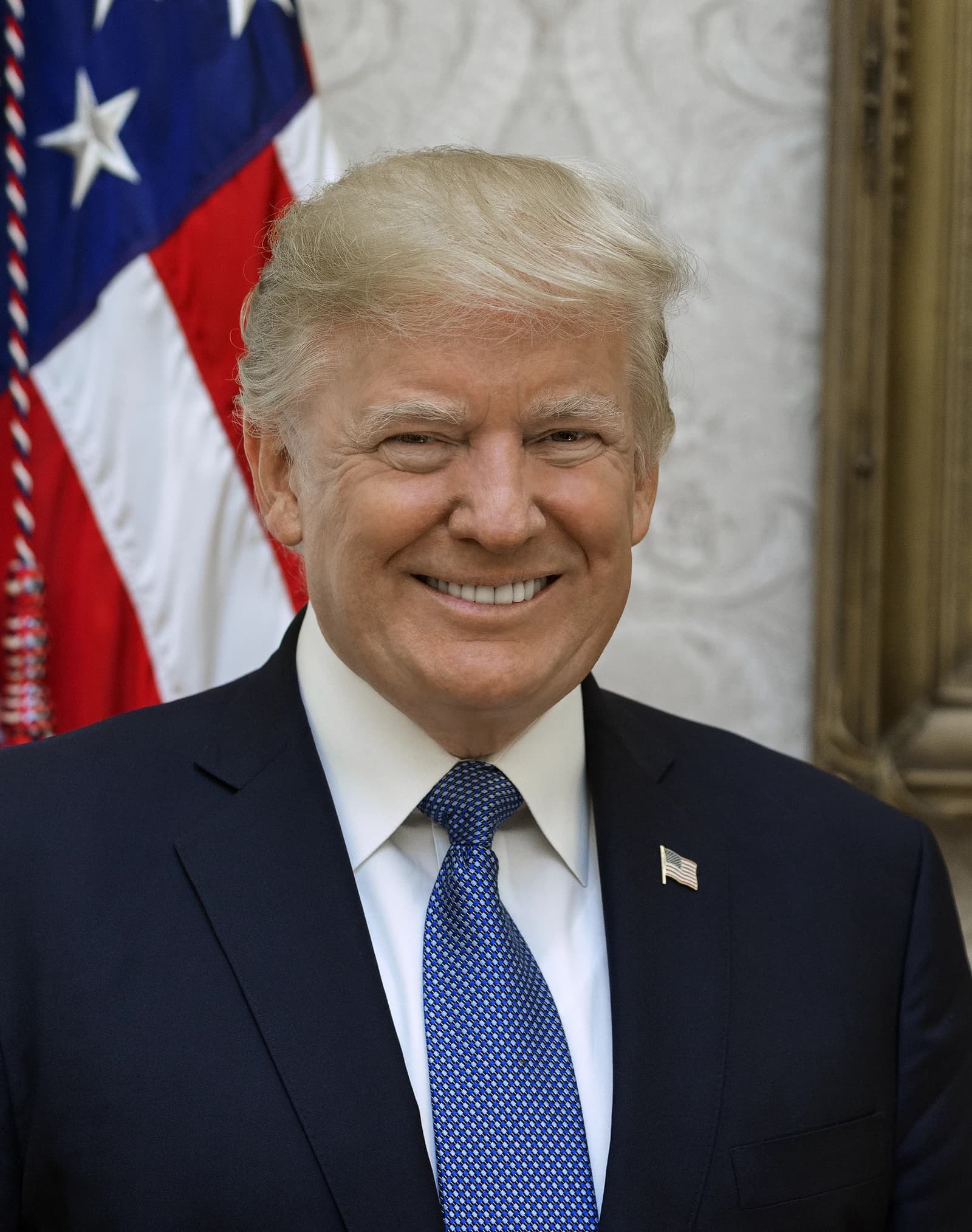
That matters because the legislation does not stop at punishing Moscow. By authorizing President Donald Trump to target the five largest buyers of Russian crude and gas, Washington is turning sanctions into a direct trade weapon against countries that keep Russia’s wartime energy revenues alive. China, one of the biggest importers of Russian energy, is squarely in the crosshairs.
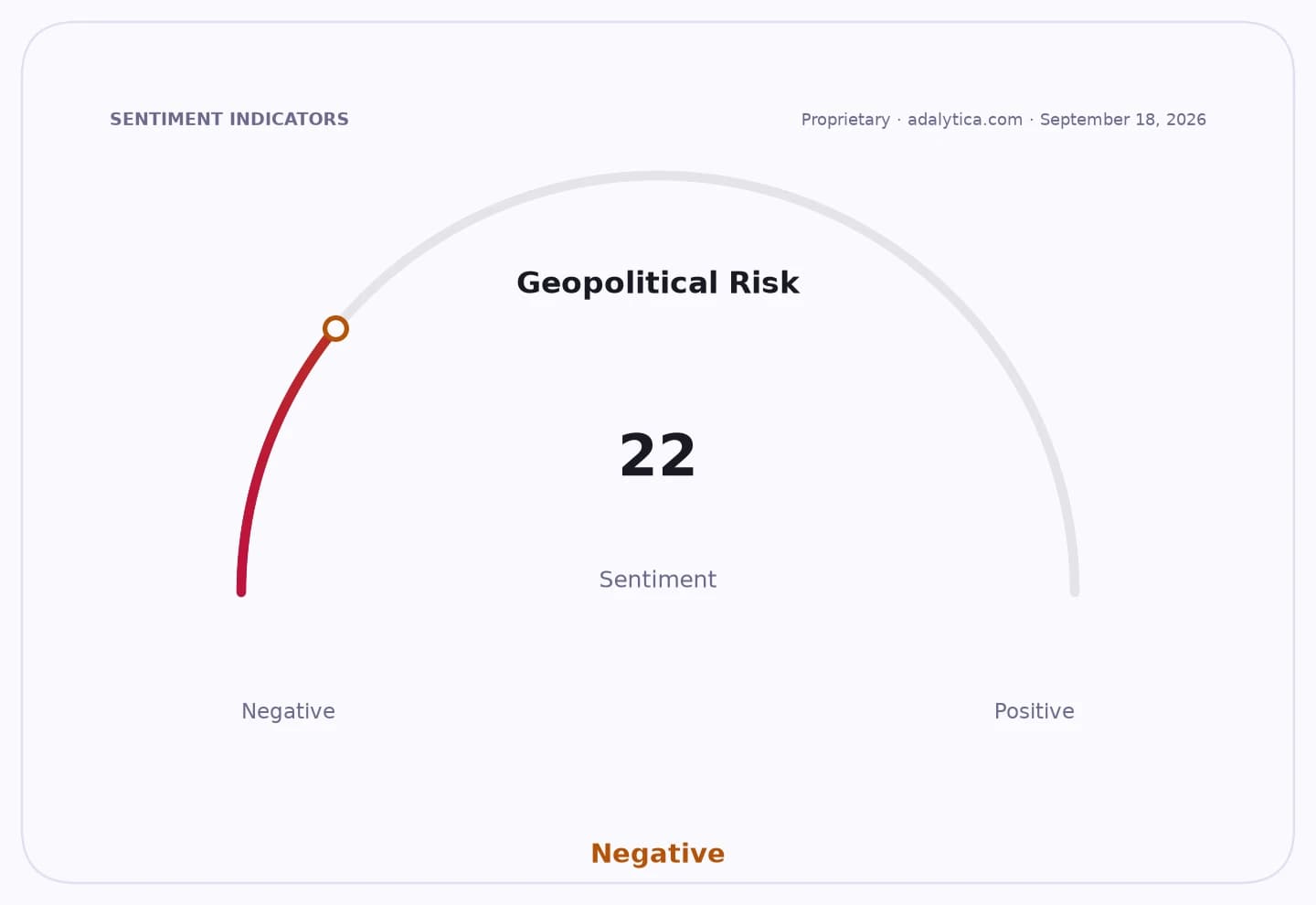
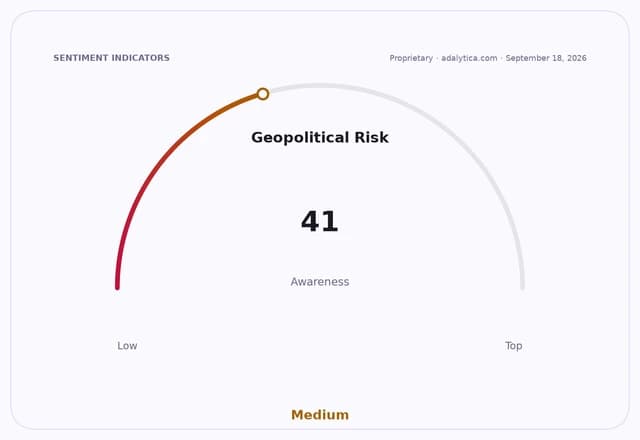
Sentiment IndicatorsⓘProprietary · adalytica.com · September 18, 2026
This is a snapshot — live sentiment, awareness and momentum for 130+ markets update continuously in the dashboard.Open AlphaPulse
For markets, the message is less about rhetoric than supply chain risk and capital allocation. If the White House uses the bill aggressively, China’s import bill could rise, Russian energy discounts could widen, and global trade frictions could intensify at the same time. The market underestimates how quickly sanctions can spill into oil, freight, currencies and emerging-market equities when they start to hit third countries rather than just the sanctioned producer.
China’s foreign ministry said its trade with other nations is based on equality and mutual benefit, rejected “extraterritorial” enforcement, and warned against third-party pressure. That language is standard for Beijing, but the timing is not. Xi Jinping is due in Washington next week, which makes this a live diplomatic and market event, not just another sanctions statement.
US-China Relations vs FXIadalytica.com
Explore this data interactively — full history, time series and cross-market comparisons.Open AlphaPulse
Investors should read the bill as another reminder that geopolitical leverage is increasingly being applied through commerce, not just military aid. That favors U.S. energy exporters, shipping names tied to rerouting cargoes, and defense and security equities that benefit from sustained bloc competition. It is a headwind for Chinese importers, mainland consumer and industrial names tied to energy costs, and anything exposed to broader U.S.-China trade escalation.
The China ETF FXI was last near $34.32, below its 50-day moving average of $35.15 and 200-day average of $36.28, a sign the market is still discounting durable policy risk. At the same time, the dollar ETF UUP has been firm, with the latest reading at $28.39 and well above its 200-day average, reflecting the market’s preference for U.S. assets when geopolitical stress rises.
My view is that this is exactly the kind of second-order shock investors should position for early. If Washington follows through, the real opportunity is in the infrastructure of geopolitical fragmentation — U.S. LNG, oil logistics, freight intermediaries, defense, and select dollar beneficiaries — while Chinese energy importers and broader China proxies face a fresh valuation overhang. The catalyst is now in the open, and Xi’s Washington visit could determine whether this becomes a negotiating chip or the start of another round of sanctions-driven market repricing.
| Entity | Gains | Losses |
|---|---|---|
| U.S. energy exporters | ▲Higher demand leverage | ▼None |
| China energy importers | ▲None | ▼Tariff exposure |
| Russian oil and gas sellers | ▲Price support from rerouting | ▼Export access |
| FXI / China equities | ▲None | ▼Policy overhang |