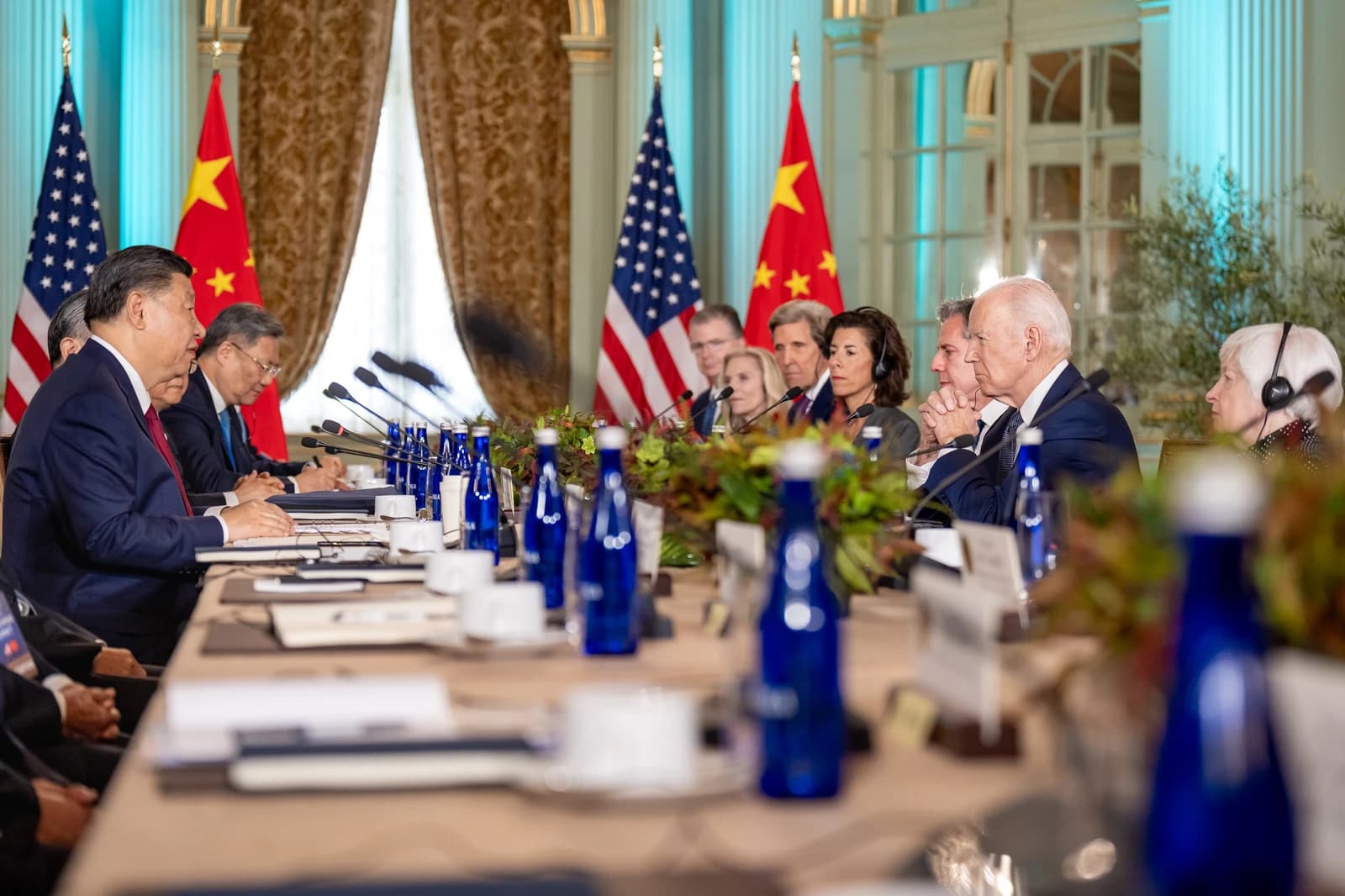
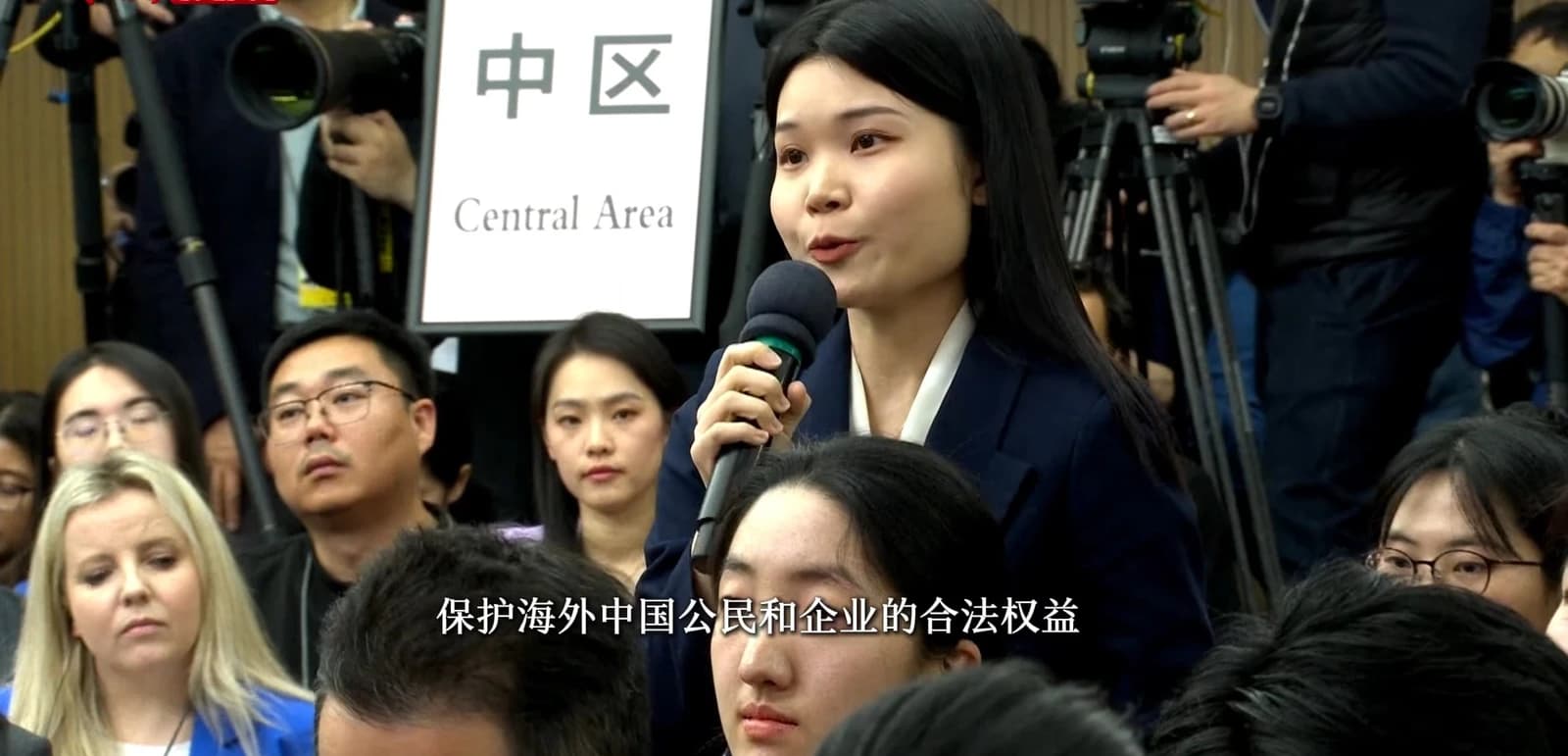
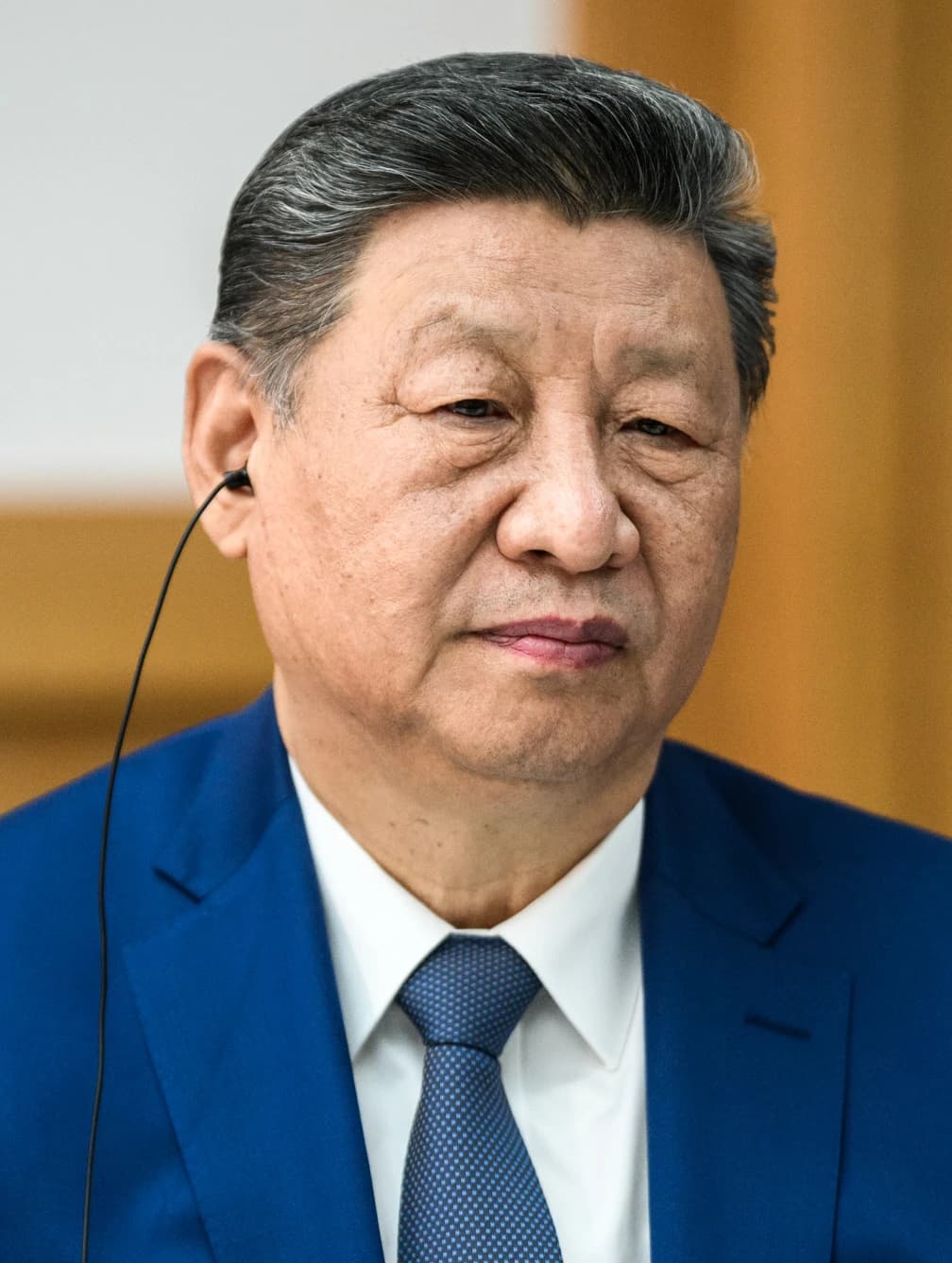
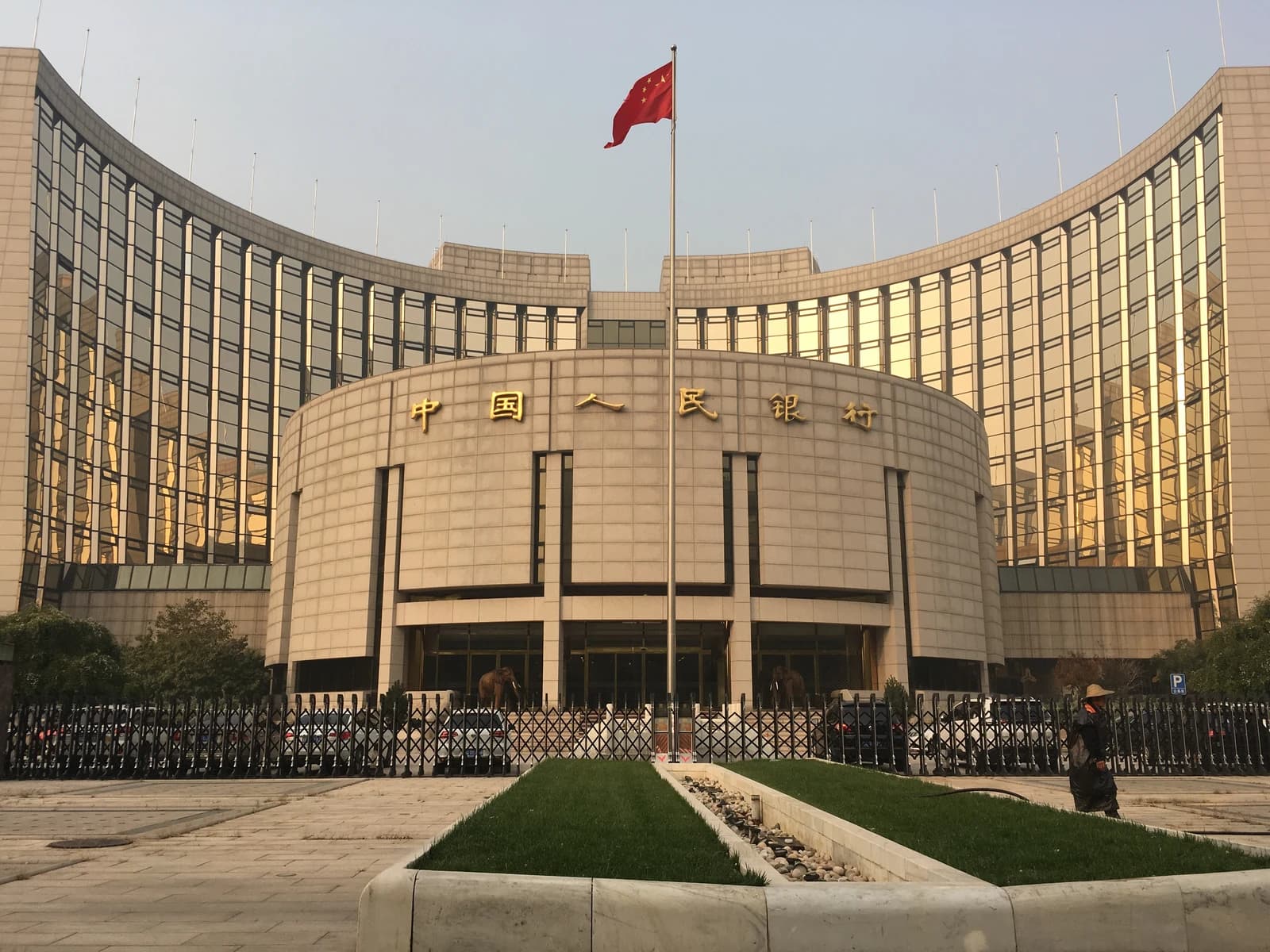
China and the United States are moving into what Chinese state media called a “decisive phase” in their relationship as the two sides prepare another diplomatic round that could shape trade, technology and market stability for months to come.
China, U.S. Trade Talks Lift ETF Focus
That matters because when the world’s two biggest economies talk seriously, investors are really pricing three things at once: tariff risk, supply-chain risk and the odds of a more predictable global growth backdrop. Even a limited thaw can support commodities, lift Chinese equities and reduce the kind of policy uncertainty that keeps capital on the sidelines.
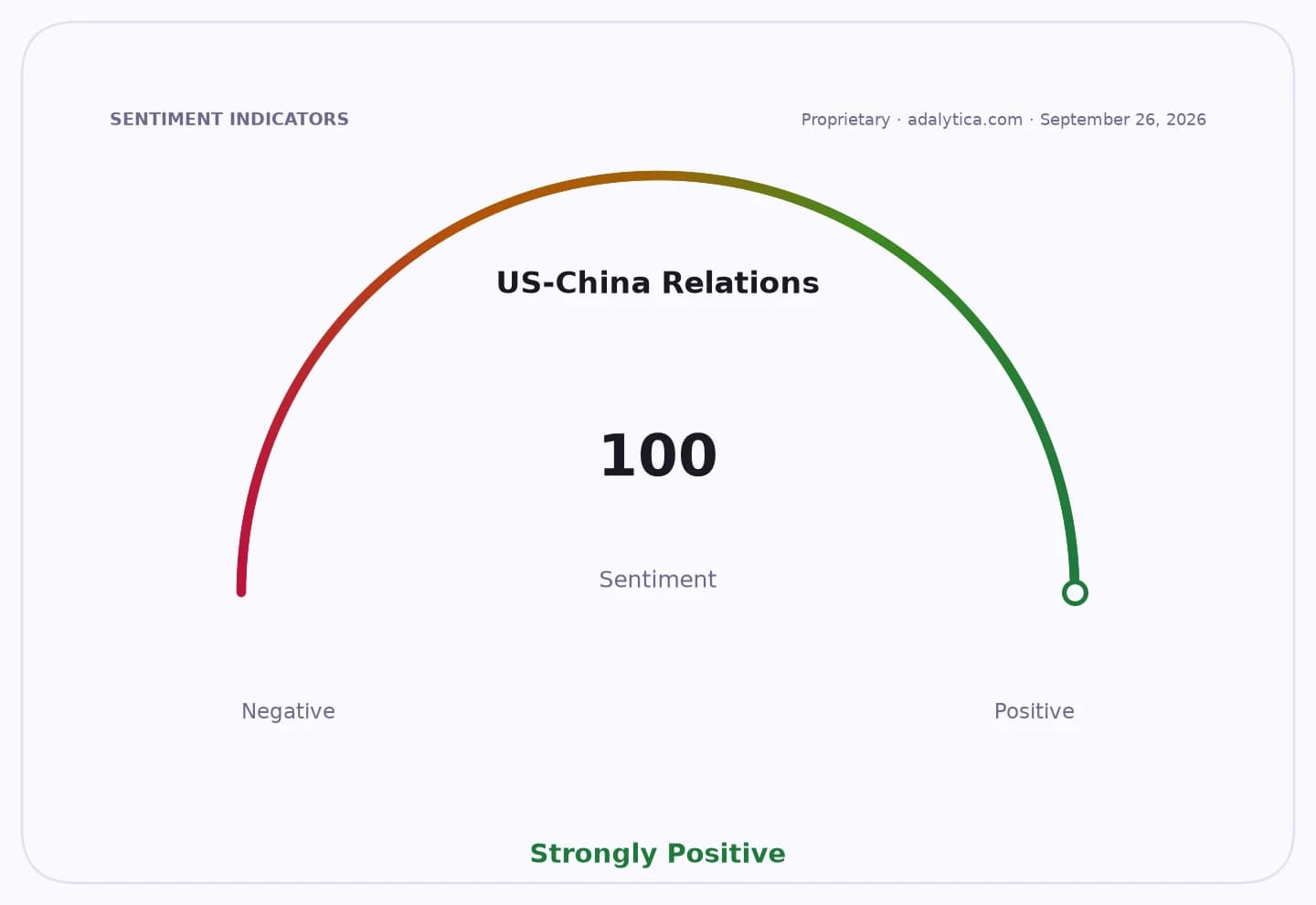
Sentiment IndicatorsⓘProprietary · adalytica.com · September 26, 2026
This is a snapshot — live sentiment, awareness and momentum for 130+ markets update continuously in the dashboard.Open AlphaPulse
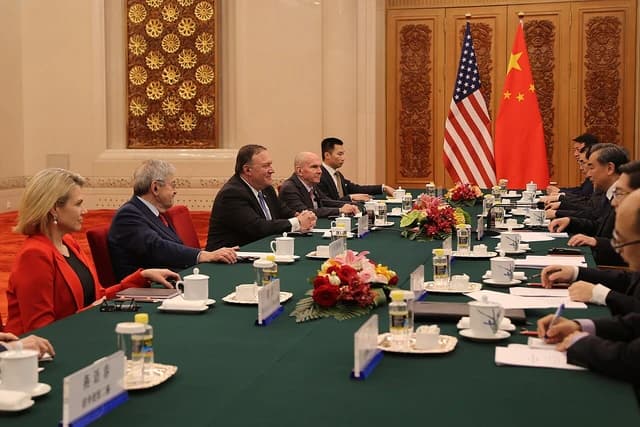
The latest signal is not just rhetoric. The two sides also agreed to support each other’s hosting of APEC in 2026 and the G20 summit, a small but telling sign that both governments want to project continuity rather than confrontation. For markets, that kind of diplomatic choreography matters. It suggests the relationship is being managed as a strategic competition, not allowed to spiral into a full economic rupture.
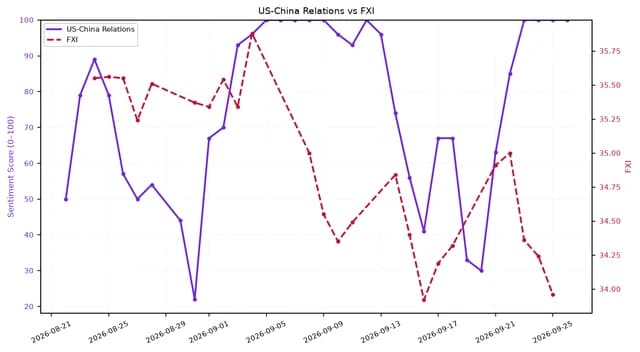
That is one reason Chinese assets have been trading with renewed sensitivity to headlines around talks. The iShares MSCI China ETF, or MCHI, closed at $52.62 on Sept. 25, below its 50-day average of $54.45 and 200-day average of $56.78, while the FXI China ETF finished at $33.96, also under both its 50-day and 200-day moving averages. Those levels don’t tell the whole story, but they do show investors still want proof before they commit meaningfully to the trade.
Hong Kong’s market has held up better. The EWH ETF closed at $22.26, near its 50-day average of $22.70 and just below its 200-day average of $22.49, reflecting a more balanced view of the territory’s role as a gateway to China exposure. In other words, investors are not betting on a breakthrough, but they are also not dismissing the possibility that diplomacy could keep the wheels from coming off.
Adalytica’s U.S.-China relations sentiment gauge is flashing “Extreme Greed” at 100, which speaks to how much attention the story is drawing right now. The broader global stability reading is also elevated, while China policy sentiment is strong. For long-term investors, that combination usually means expectations are high and headlines can move markets fast. It does not guarantee a rally. It does suggest that any disappointment could be sharp, while any concrete progress could have an outsized effect.
The real economic issue is whether this round of diplomacy can do more than buy time. A durable easing of tensions would help exporters, manufacturers and multinational companies that have spent years diversifying away from China. It could also support demand for industrial commodities, ease pressure on supply chains and reduce the risk premium on Asian assets. If talks fail, the reverse is true: more uncertainty, more reshoring costs and a greater drag on cross-border investment.
For investors, the lesson is straightforward. China exposure remains a policy trade as much as a growth trade. That makes timing difficult and conviction harder, which is why broad diversification and a long horizon matter more than trying to guess each headline. If the talks produce even modest stability, patient investors could benefit from a slower-burning rerating in Chinese and Hong Kong equities. If not, the market will likely keep rewarding caution.
Either way, this is the kind of geopolitical development that can shape returns for years, not days. Investors should keep it on the watchlist, especially if you own China ETFs or companies with heavy exposure to trade between the two powers.
| Entity | Gains | Losses |
|---|---|---|
| China exporters | ▲More predictable access | ▼Trade-war escalation |
| U.S. multinationals | ▲Lower policy uncertainty | ▼Supply-chain disruption |
| Chinese equities | ▲Rerating potential | ▼Higher risk premium |
| U.S. consumers/importers | ▲Less tariff pressure | ▼Higher import costs |