Indonesia’s record 2027 budget gives President Prabowo Subianto room to press ahead with a bigger military, but it also exposes the central trade-off in his defense agenda: modernizing the armed forces quickly without crowding out wages, maintenance and broader fiscal needs.
Indonesia 2027 budget boosts defense spending to Rp189T
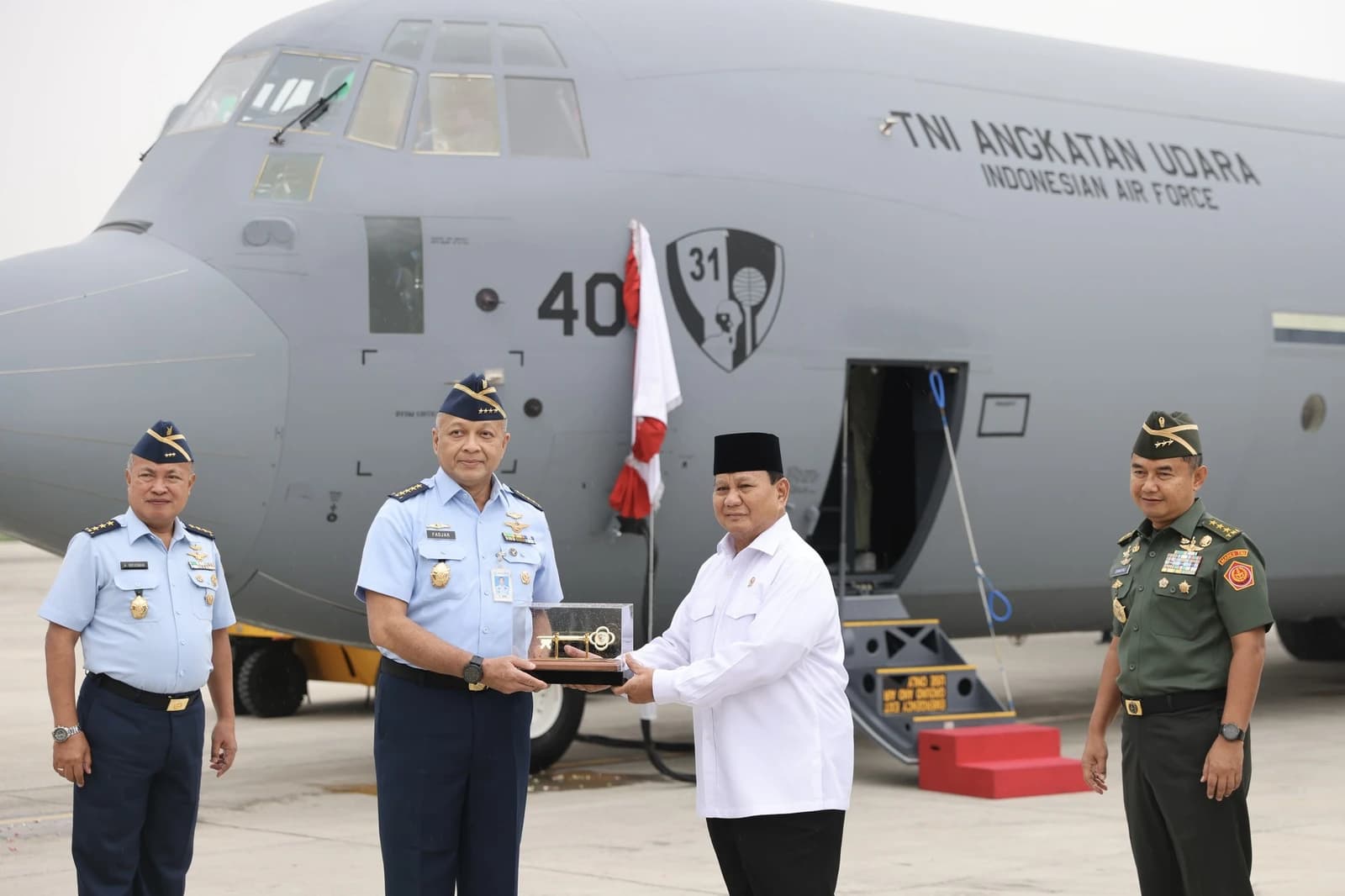
Parliament approved a Rp4,106 trillion state budget for 2027, the largest in the country’s history, including Rp189.01 trillion for the Defense Ministry, about Rp50 trillion above the original indicative ceiling. That makes defense one of the largest line items in the budget and underlines how far Prabowo is willing to push military spending even as the government faces demands to fund social programs, infrastructure and economic support.
For markets, the scale of the allocation matters because it signals a sustained procurement cycle that will run through multiple fiscal years. The Defense Ministry said the money will be split across headquarters and the three services, with a large share earmarked for management and another Rp70.5 trillion for modernization of weapons systems, non-weapons equipment and defense facilities. That points to continuing demand for imported hardware, logistics support and long-dated financing — a mix that can widen pressure on the current account and on public debt if purchases are not tightly sequenced.
The budget debate also shows the limits of Indonesia’s defense strategy. Analysts say the government is trying to do too much at once: raise troop welfare, replenish aging equipment and expand capability quickly. Curie Maharani of Bina Nusantara University said those priorities are hard to fund simultaneously, especially if modernization relies on imported systems that often require debt or other external financing. In her view, defense outlays are more sustainable when the economy is strong, not when fiscal conditions are already stretched.
That tension helps explain Prabowo’s appetite for second-hand platforms and fast-track purchases. Indonesia has again turned to used equipment, including a former Italian landing helicopter dock and U.S.-made amphibious vehicles, to close capability gaps sooner than waiting for new-build deliveries. The argument for the approach is speed: used systems can be delivered faster at lower headline prices. The bear case is that older hardware often brings higher life-cycle costs, more maintenance, interoperability problems and greater safety risk, especially when acquisitions are spread across multiple suppliers and legal channels.
The policy has clear political logic. Prabowo has long argued that the armed forces need to be strengthened across land, sea and air, and he has favored buying from a wide range of countries rather than relying on a single bloc. That diversification may help Indonesia preserve strategic flexibility, but it also complicates procurement, sustainment and offset negotiations. The more fragmented the fleet, the more expensive it becomes to keep it operating.
Investors should read the budget as a durable signal that defense will remain a priority under Prabowo, not a one-off political gesture. For local contractors and state-linked suppliers, that may support orders and service revenue. For import-heavy defense buyers, it raises questions about funding, foreign exchange exposure and execution discipline. For the broader macro picture, it adds to the case that Indonesia’s fiscal stance is becoming more expansive just as the government is trying to keep public trust by insisting programs must show measurable benefits.
The next test is not whether Indonesia spends more on defense — that direction now looks set — but whether the extra money produces a force that is better equipped without becoming structurally more expensive to maintain. If procurement stays opaque or overly fragmented, the budget may buy headlines before it buys readiness.
| Entity | Gains | Losses |
|---|---|---|
| Defense Ministry / TNI | ▲Larger procurement budget | ▼Greater scrutiny on execution |
| Domestic suppliers | ▲Higher orders and contracts | ▼Pressure to meet delivery targets |
| Foreign defense makers | ▲Bigger Indonesian demand | ▼More price and offset bargaining |
| Taxpayers / fiscal accounts | ▲Potential security gains | ▼Higher long-term spending burden |