Indonesia’s government is under pressure to lift the PTKP income-tax threshold for the first time since 2016, a move economists say could help protect workers’ purchasing power but would also trim state revenue and force Jakarta to find new tax sources.
Indonesia PTKP tax threshold review since 2016
The push comes as consumer prices have climbed sharply over the past decade, with the CPI up from 237.336 in early 2016 to 334.131 in August 2026, while core inflation has also moved higher to 337.765 from 237.336 over the same span. That cumulative increase is why academics and labor groups argue the current PTKP level no longer reflects living costs.
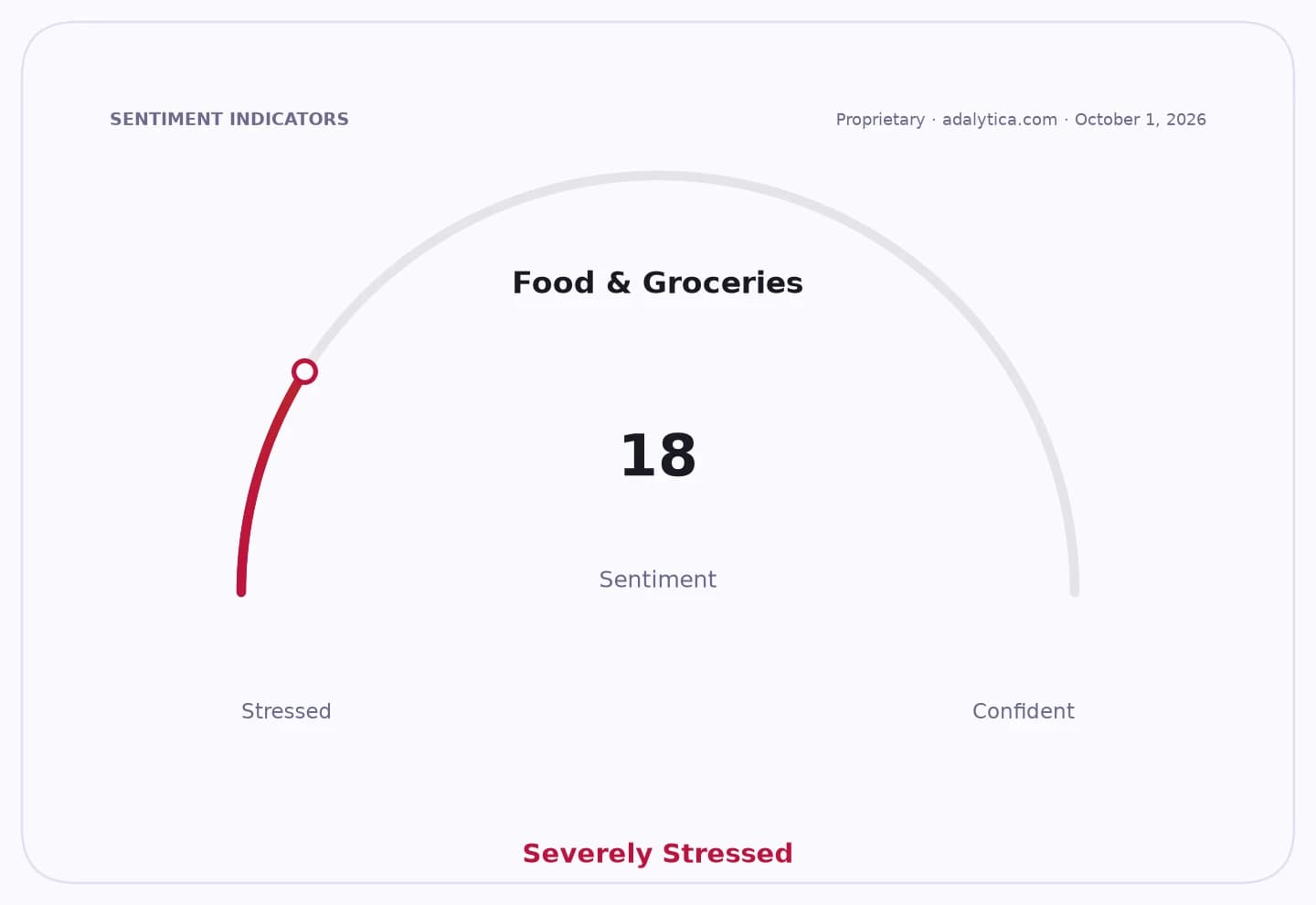
Sentiment IndicatorsⓘProprietary · adalytica.com · October 4, 2026
This is a snapshot — live sentiment, awareness and momentum for 130+ markets update continuously in the dashboard.Open AlphaPulse
PTKP, or the non-taxable income threshold, is currently set at 4.5 million rupiah a month for single workers without dependents. Telisa Aulia Falianty, a professor at the University of Indonesia, said the level should be reviewed in line with inflation, noting that many countries adjust such thresholds regularly and that Indonesia has not done so since 2016.
Labor groups have already pushed for a sharper increase to 7.5 million rupiah a month nationwide. Supporters say a higher threshold would leave more cash in the hands of lower- and middle-income workers, especially those near the minimum wage, and could provide some relief to households facing higher costs for food, transport and other essentials.
The trade-off is fiscal. Directorate General of Taxes chief Bimo Wijayanto said revenue would “change a little” if the policy is approved and that the tax office would need to look for a new base of taxpayers or revenue sources. That matters for investors because any broad tax relief can widen budget pressure unless offset by stronger collections elsewhere.
The debate also comes as consumer spending sentiment remains elevated in Adalytica’s gauges, suggesting households still have room to consume, but not necessarily without policy support. For markets, the key question is whether Jakarta opts for a targeted income-tax relief measure that supports demand without undermining the government’s revenue plan.
The final decision now rests with the economic coordinating ministry. If the change is approved, the market will watch for how aggressively the threshold is raised and which parts of the tax base are expanded to compensate.
| Entity | Gains | Losses |
|---|---|---|
| Workers near minimum wage | ▲Higher take-home pay | ▼None directly |
| Middle-income households | ▲More disposable income | ▼None directly |
| Indonesian government | ▲Political goodwill | ▼Short-term tax revenue |
| Tax office / fiscally conservative investors | ▲Potential new tax base clarity | ▼Higher uncertainty over collections |