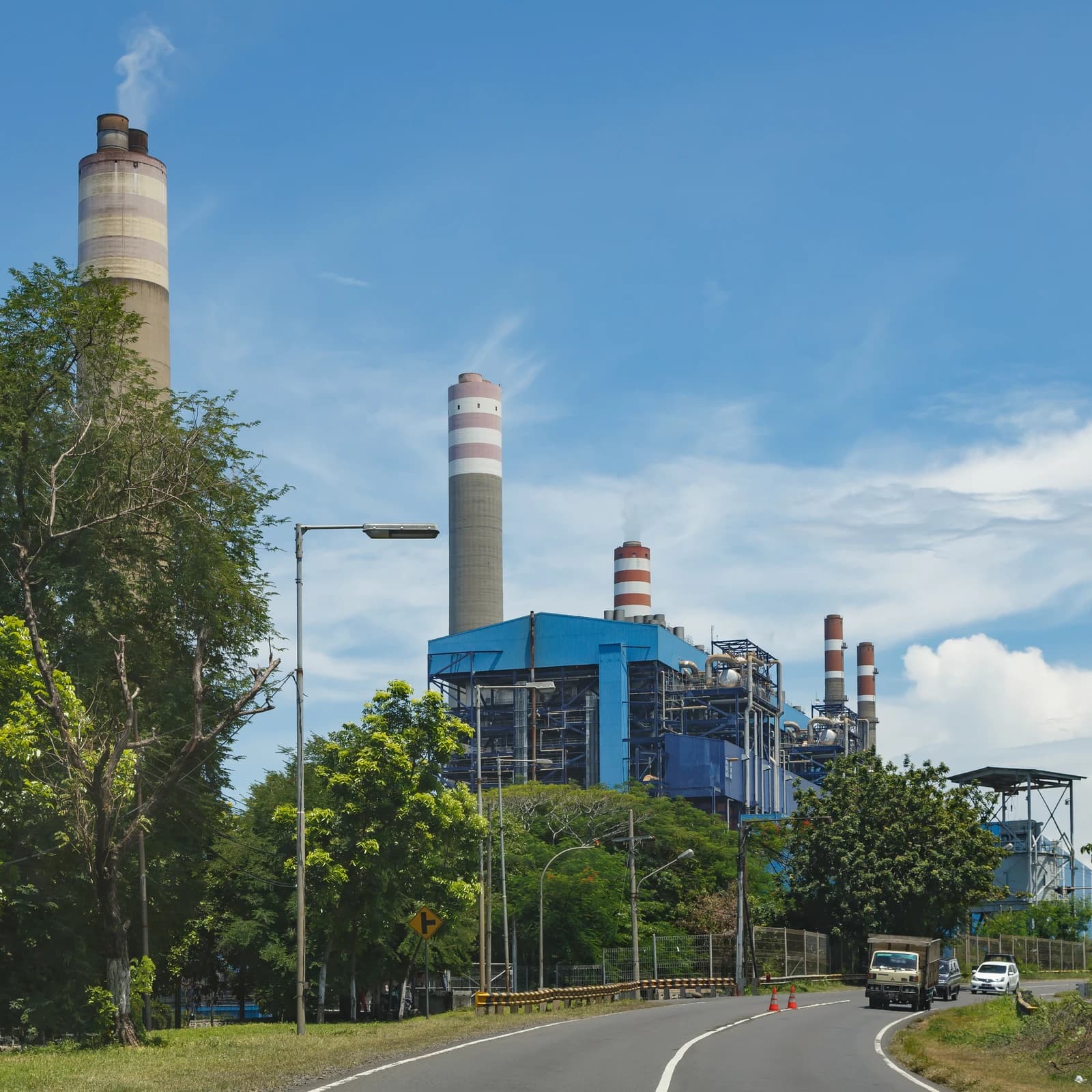
Indonesia’s renewed push for a 2026 oil and gas law is really a debate over who controls the country’s energy system at a time of elevated crude prices, geopolitical stress and stubborn import dependence.
Indonesia Oil and Gas Law Debate on Pertamina
The argument gaining traction in Jakarta is that the post-2001 model, which split regulator and operator functions, has become too fragmented for an economy that still relies heavily on imported fuel and struggles with lifting growth. Advocates of reform say a more integrated structure, anchored in state sovereignty and modeled on the older framework under Law No. 8/1971, would speed decision-making, tighten supply chains and give Pertamina a clearer mandate to manage the upstream-to-downstream value chain.
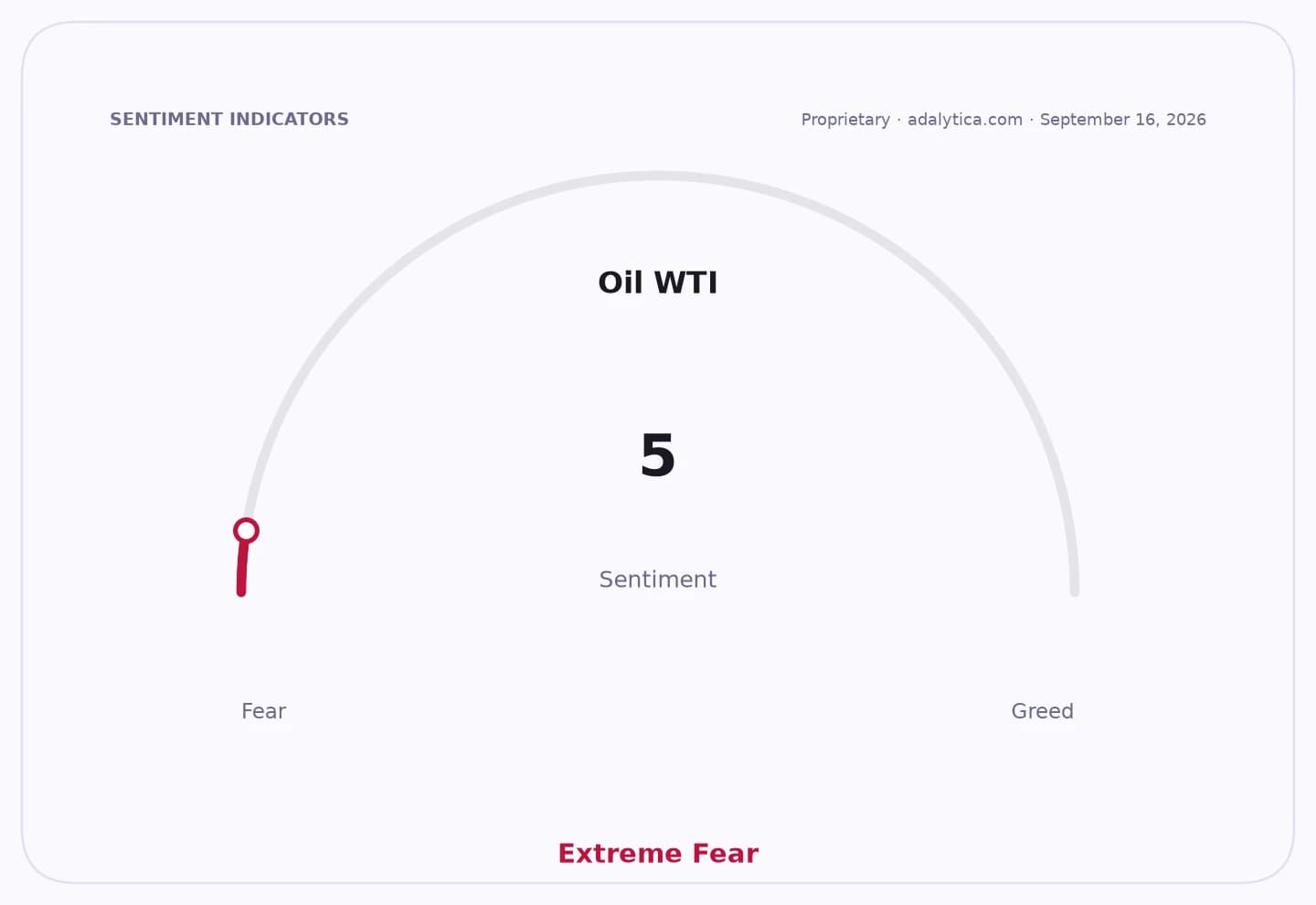
Sentiment IndicatorsⓘProprietary · adalytica.com · October 3, 2026
This is a snapshot — live sentiment, awareness and momentum for 130+ markets update continuously in the dashboard.Open AlphaPulse
That matters economically because Indonesia’s energy bill is highly sensitive to global oil markets. The source material points to 2026 geopolitical escalation pushing the Indonesian Crude Price above $100 a barrel, a level that would widen subsidy pressure, strain the current account and raise the fiscal cost of keeping domestic fuel affordable. In that setting, policy makers are less focused on abstract institutional design than on whether the state can secure supply, reduce import exposure and preserve budget room for other priorities.
Pertamina sits at the center of that calculation. It already acts as the system’s stabilizer, absorbing public service obligations and fuel distribution tasks that support household prices and strategic sectors. But the article warns that those obligations, if not matched by fast and automatic compensation, can erode the company’s cash flow and crowd out capital spending on exploration. For investors, that is the key tension: a stronger Pertamina could mean a more defendable domestic energy franchise, but a heavier mandated load without better reimbursement would weaken its balance sheet and investment capacity.
The policy debate also has constitutional overtones. Backers of change cite the Constitutional Court’s 2012 ruling dissolving BP Migas as evidence that Indonesia’s oil regime needs a firmer legal foundation tied to Article 33 of the constitution, which places control of vital resources in the public interest. In their view, the issue is not just efficiency but legitimacy: a system seen as sovereign, integrated and accountable is more durable than one that depends on multiple layers of bureaucracy to move capital and approve projects.
For energy investors, the implications extend beyond Pertamina. A more assertive state model could speed domestic upstream activity if it truly reduces red tape and improves coordination. But it could also deter private participation if reforms are read as a step toward tighter state control, less predictable contracts or weaker commercial returns. The market will ultimately judge the bill not by its rhetoric on sovereignty, but by whether it improves exploration, lifting and logistics while keeping investor protections intact.
The broader story is that rising oil prices are forcing governments back toward energy security rather than energy theory. Indonesia’s 2026 bill debate reflects the same pressure seen globally: when fuel costs rise and supply becomes more politically sensitive, states tend to centralize control, strengthen national champions and test how far sovereignty can be expanded without undermining capital formation.
For now, the legislative direction is likely to be watched closely by banks, upstream contractors and fuel traders. If the bill produces clearer compensation rules, cleaner institutional lines and a more investable Pertamina, it could support domestic supply resilience. If it adds obligations without funding clarity, it risks repeating the old pattern: stronger political control, but weaker corporate economics and slower reserve replacement.
| Entity | Gains | Losses |
|---|---|---|
| Pertamina | ▲clearer national mandate | ▼heavier subsidy burden |
| Indonesian consumers | ▲more stable fuel supply | ▼higher fiscal pressure |
| Private upstream investors | ▲simpler rules if reform is balanced | ▼weaker returns if state control tightens |
| Indonesian government | ▲stronger energy sovereignty | ▼larger budget exposure |