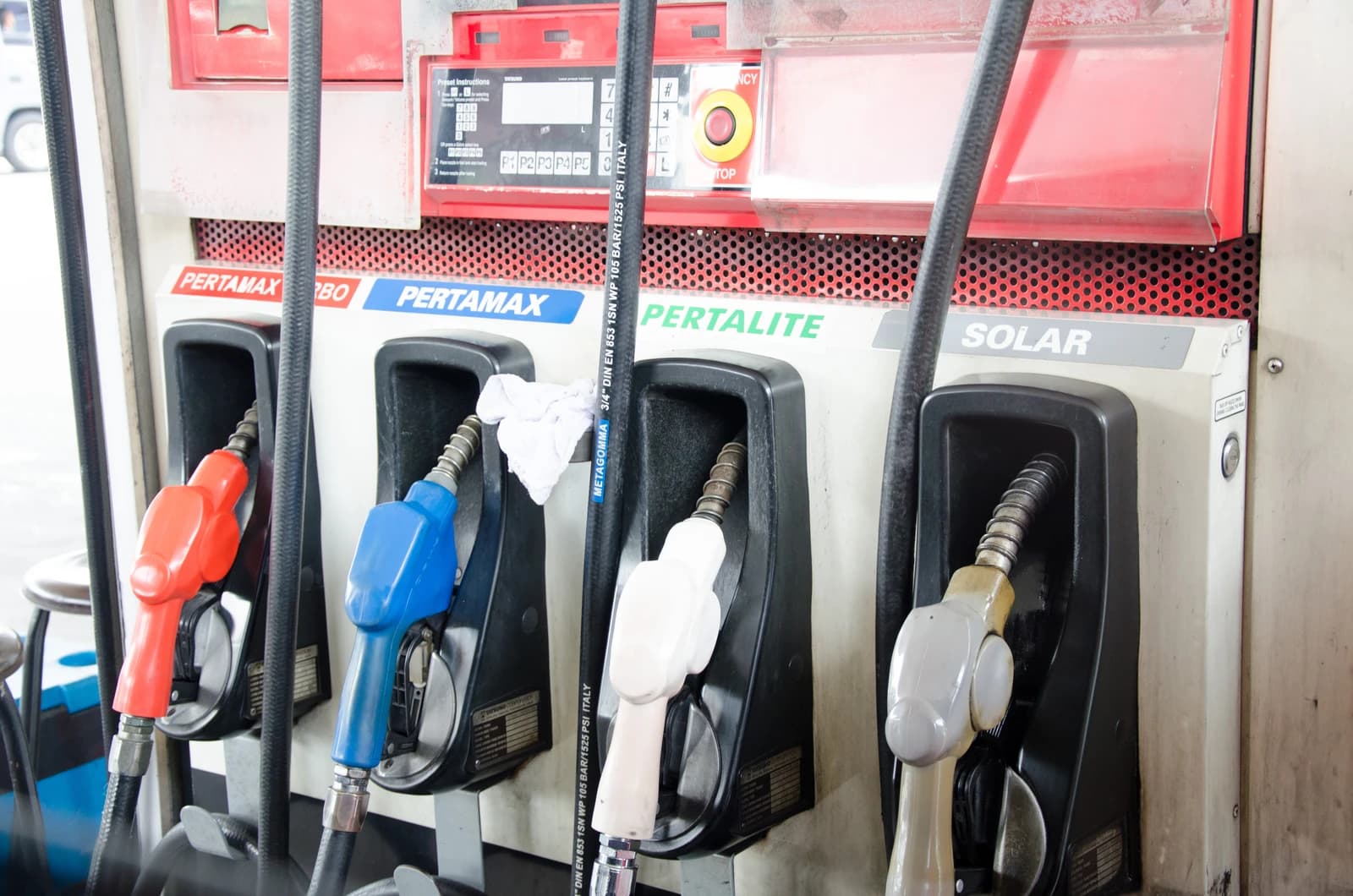
Pertamina Patra Niaga has sanctioned 161 gas stations across South Sumatra and neighboring Sumbagsel provinces this year, underscoring a tightening of controls around subsidized fuel that matters for state finances, distribution efficiency and inflation management.
Pertamina Sanctions 161 Fuel Stations in Sumbagsel
The enforcement drive is economically important because Indonesia’s subsidized fuel program is a large fiscal transfer that is vulnerable to leakage. When subsidized diesel or gasoline is diverted away from eligible users, the government effectively pays more for less social benefit, while shortages can push lower-income consumers and transport operators into the non-subsidized market. That can feed into logistics costs, local prices and broader cost-of-living pressures.
Sentiment IndicatorsⓘProprietary · adalytica.com · September 10, 2026
This is a snapshot — live sentiment, awareness and momentum for 130+ markets update continuously in the dashboard.Open AlphaPulse
The sanctions, imposed from January through Sept. 3, covered 10 stations in Bengkulu, 17 in Jambi, 31 in Bangka Belitung, 69 in Lampung and 34 in South Sumatra. Pertamina said it is using transaction monitoring, the Subsidy Right digital registration program, QR code checks and vehicle data verification to police sales.
For investors, the story is less about an immediate earnings impact than about policy discipline in a market where fuel subsidies intersect with social stability and public spending. Tighter supervision can reduce leakage risk and support the credibility of the subsidy system, but it may also expose more violations and operational friction at the retail level. That creates compliance costs for fuel distributors and raises the chance of temporary disruption if stations lose the ability to serve subsidized buyers.
The backdrop is a volatile oil market. Brent has been trading near $100 a barrel as Middle East tensions and supply concerns keep fuel markets unstable, a reminder that Indonesia’s domestic subsidy burden is not insulated from global crude shocks. In that setting, even small gains in distribution control matter because they can help limit pressure on the state budget when import costs rise.
Pertamina’s message also reflects the political economy of energy policy in Southeast Asia: subsidies are cheaper to announce than to administer, and enforcement is often where fiscal discipline is won or lost. If oversight remains strict, the likely winners are the state budget and eligible consumers; if violations persist, retailers and unauthorized users will face the tighter end of the system.
| Entity | Gains | Losses |
|---|---|---|
| Indonesian government | ▲Less subsidy leakage | ▼Higher enforcement burden |
| Eligible fuel users | ▲Better access to subsidized fuel | ▼Little change in shortages |
| Pertamina Patra Niaga | ▲Stronger compliance credibility | ▼More monitoring costs |
| Non-compliant gas stations | ▲— | ▼Sanctions and restrictions |