Malaysia’s Budget 2027 is being framed as a pro-growth, pro-household package that stops short of abandoning fiscal consolidation, a mix that matters for consumption, investment and sovereign credit at a time of elevated energy costs and geopolitical strain.
Malaysia Budget 2027 balances growth and deficit control
Industry players and research groups said the plan combines higher cash assistance, tax relief and wage-related measures with targeted spending on strategic sectors, digital infrastructure, energy transition and the Johor-Singapore Special Economic Zone. The policy mix is aimed at protecting purchasing power without derailing the government’s deficit-reduction path.
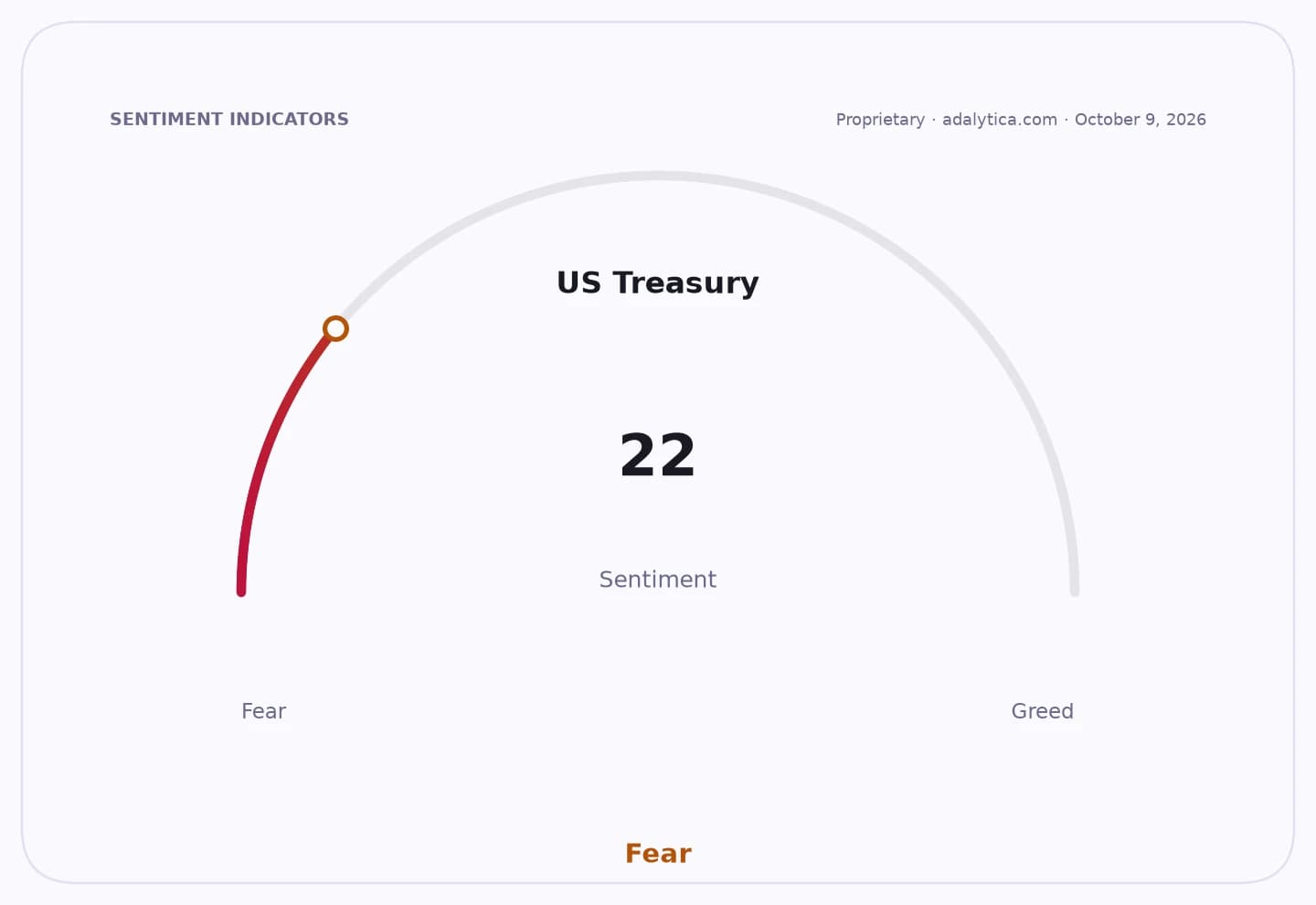
Sentiment IndicatorsⓘProprietary · adalytica.com · October 12, 2026
This is a snapshot — live sentiment, awareness and momentum for 130+ markets update continuously in the dashboard.Open AlphaPulse
AmBank Group chief executive Jamie Ling called it “a budget of disciplined continuity,” saying the measures should give households and businesses more confidence to spend and invest. UOB Malaysia said the package supports competitiveness through infrastructure, digitalisation, financing access and SME development, while also backing cross-border economic corridors that can deepen Malaysia’s role in regional supply chains.
The biggest economic significance is that the government is trying to sustain private consumption and capital spending without loosening the fiscal purse too much. That matters because Malaysia, like much of Asia, faces pressure from higher living costs, energy-related fiscal burdens and softer global trade conditions.
Moody’s said the budget balances support for households facing higher energy and living costs with continued fiscal consolidation. The ratings firm said Malaysia’s stronger economic performance and improving fiscal position give it room to absorb higher energy-related costs, but pre-election spending pressures and additional support measures could slow the pace of consolidation next year.
Moody’s still expects Kuala Lumpur to keep its medium-term commitment to a fiscal deficit of 3% of GDP, helped by higher Petronas contributions, subsidy rationalisation and better spending efficiency. For investors, that is the key watchpoint: if the government can preserve fiscal credibility while boosting demand, it reduces financing and rating risk even as it leans on the budget to support growth.
Khazanah Research Institute said the package comes as higher energy prices, geopolitical tensions and supply-chain disruptions weigh on households, businesses and public finances. It said Malaysia needs to strengthen its ability to absorb external shocks so the government retains enough fiscal space to respond to future disruptions.
For markets, the story is less about immediate stimulus and more about the durability of Malaysia’s policy mix. Support for semiconductors, manufacturing, digitalisation and investment facilitation could help attract higher-value capital, while the fiscal discipline signal is aimed at keeping bond investors and rating agencies comfortable.
The next test is execution: whether the government can translate the budget into faster investment, steadier consumption and a credible deficit path without letting pre-election spending or energy subsidies reopen fiscal slippage concerns.
| Entity | Gains | Losses |
|---|---|---|
| Households | ▲Higher cash aid, tax relief | ▼Less relief if prices stay high |
| Businesses | ▲Financing access, investment incentives | ▼Higher compliance with fiscal discipline |
| Malaysia government | ▲Growth support, fiscal credibility | ▼Pressure from subsidy and election spending |
| Bondholders / ratings agencies | ▲Deficit-control commitment | ▼Risk if consolidation slows |