The ringgit strengthened against the US dollar after Malaysia’s Budget 2027 signaled the government is still willing to narrow its deficit, a move that could help steady the currency and reassure investors looking for a more disciplined fiscal path.
Malaysia ringgit gains after Budget 2027 deficit plan

The local note ended at 4.0830/0875 per dollar, firmer than 4.0890/0940 at the previous close, after Bank Muamalat economist Mohd Afzanizam Abdul Rashid said the fiscal deficit is expected to ease to 3.3% of gross domestic product next year from an estimated 3.6% in 2026. For currency markets, that matters because budget credibility often feeds directly into confidence: a government seen as resisting runaway borrowing usually faces less pressure on its currency, especially when global rate expectations are still shifting.
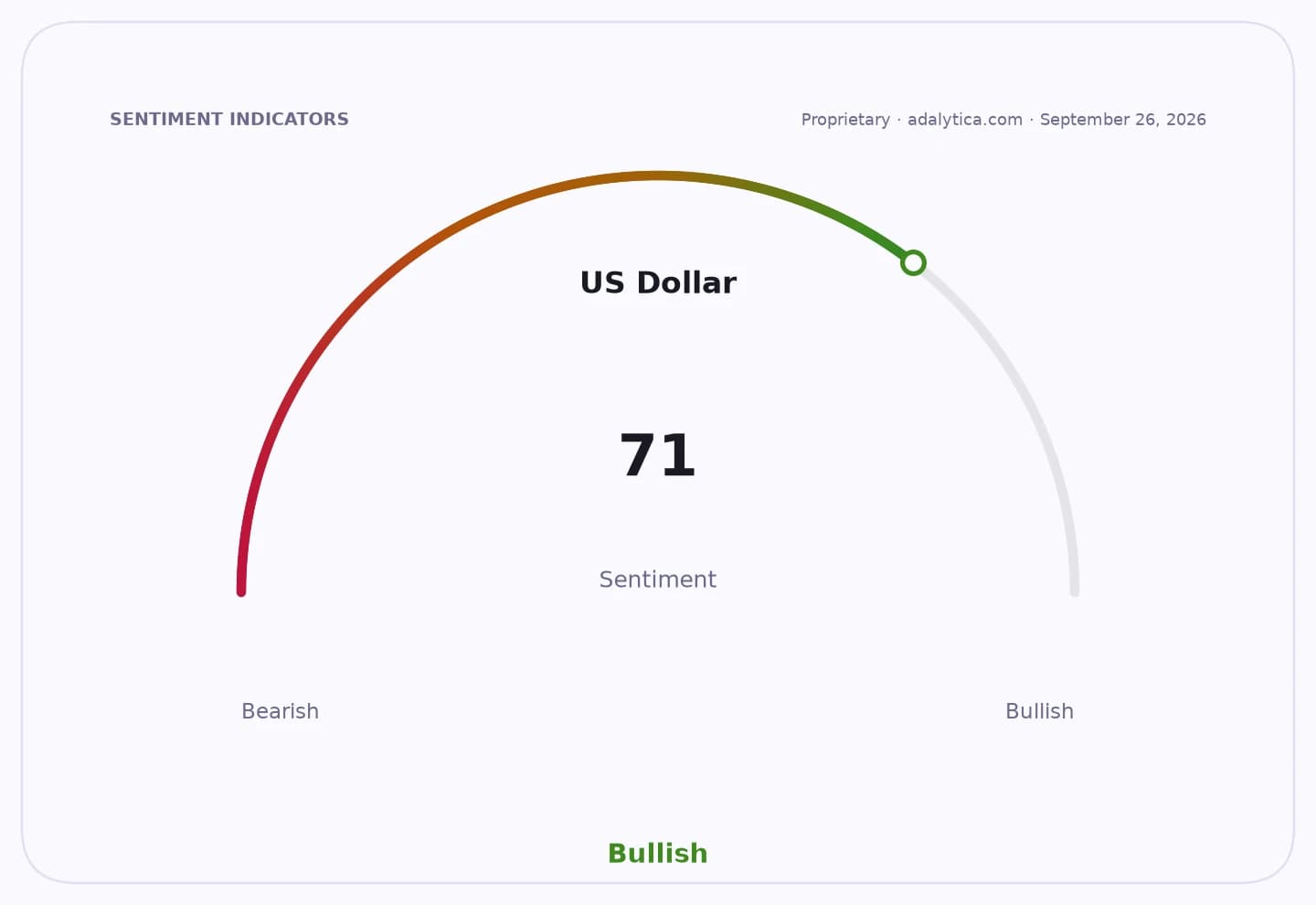
Sentiment IndicatorsⓘProprietary · adalytica.com · October 11, 2026
This is a snapshot — live sentiment, awareness and momentum for 130+ markets update continuously in the dashboard.Open AlphaPulse
That is the real story here. The ringgit does not need a dramatic turnaround to matter to long-term investors; it needs evidence that policy makers are serious about keeping public finances under control. Budget 2027, at least on first read, gives that impression. A smaller deficit suggests less dependence on debt issuance, which can help keep bond yields from rising as fast as they otherwise might and reduce one source of pressure on the currency. It also matters for imported inflation, since a firmer ringgit can help soften the local cost of goods priced in dollars.
The market’s response was modest but constructive. The ringgit was mixed against other major and regional currencies, edging higher versus the yen but slipping against the pound, euro, Singapore dollar and Thai baht. That kind of patchy trading suggests investors are not declaring a trend change just yet. They are, however, acknowledging that fiscal discipline remains one of Malaysia’s most important defenses at a time when the US dollar is still the benchmark against which emerging-market currencies are judged.
For investors, the implication is straightforward: currencies tend to reward consistency, not rhetoric. If Budget 2027 is followed by tighter spending execution and a credible deficit path, the ringgit could become more attractive to foreign portfolio investors and to local businesses that rely on imported inputs. If, on the other hand, spending pressures widen again, the current bounce could fade quickly.
Longer term, the ringgit’s direction will still depend on the same familiar drivers — Malaysia’s growth, inflation, current account strength and the Federal Reserve’s path for US rates. But fiscal discipline is the piece policymakers can influence most directly. That makes Budget 2027 worth watching, not as a one-day currency catalyst, but as a test of whether Malaysia can build a steadier investment case over the next several years.
| Entity | Gains | Losses |
|---|---|---|
| Malaysian government | ▲Confidence boost | ▼Fiscal hawks |
| Ringgit | ▲Near-term support | ▼Dollar buyers |
| Investors in Malaysia | ▲Better policy credibility | ▼Budget skeptics |
| Importers | ▲Softer currency risk if ringgit firms | ▼If ringgit weakens again |