Malaysia’s decision to earmark 240 million ringgit for the 2027 Southeast Asian Games and ASEAN Para Games is a small line item in the budget, but it is a meaningful signal about how the government wants to use major sporting events: as a catalyst for national pride, tourism and infrastructure spending.
Malaysia budgets 240 million ringgit for 2027 SEA Games
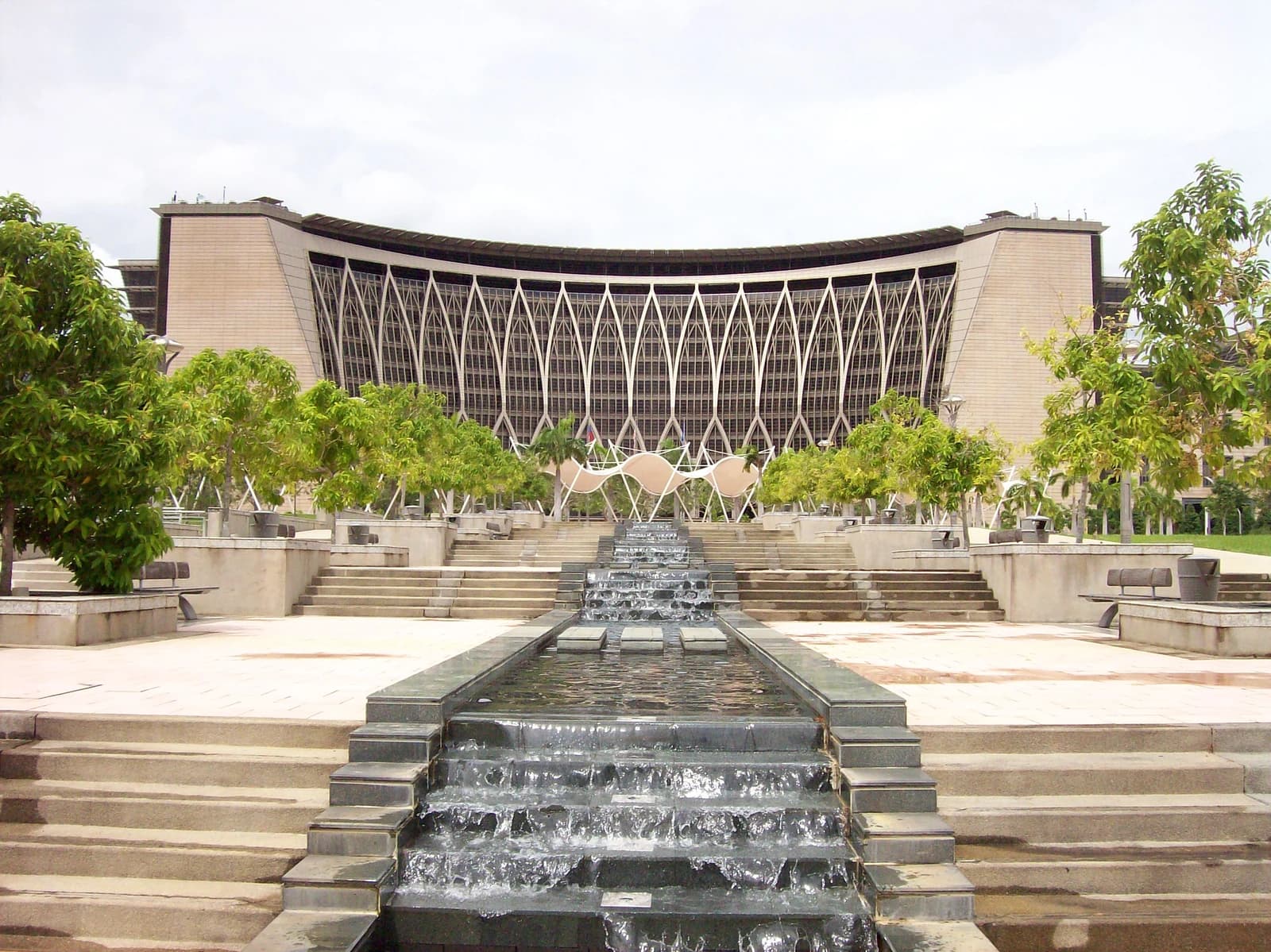
Prime Minister and Finance Minister Anwar Ibrahim said the country will host the regional multisport events in 2027 and should use them to strengthen Malaysia’s image and promote unity. That matters because host-nation spending on events like these tends to ripple beyond athletics, reaching construction, transport, hospitality and media businesses that stand to benefit from venue upgrades, higher visitor traffic and broader domestic spending.
The allocation comes as governments across Asia increasingly treat large sports events as economic tools rather than purely ceremonial expenses. In Malaysia’s case, the timing is important: a budget commitment now gives ministries and contractors a clearer runway to plan facilities, logistics and security ahead of the games. That can be especially relevant for investors watching public works, consumer discretionary names and any company tied to event management or travel.
For markets, the bigger story is not the 240 million ringgit itself but the discipline implied by an early funding decision. Investors like visibility, and budgeted spending reduces the risk of last-minute delays that can inflate costs or compress returns. It also tells you where policy priorities sit. Malaysia is willing to back a project with soft power benefits, which may help support related domestic activity even if the direct fiscal impact is limited.
The announcement also follows Malaysia’s solid performance in the Asian Games, where its athletes won 9 gold, 7 silver and 16 bronze medals, giving the government a political reason to keep investing in sport. That kind of success can reinforce public support for spending ahead of a home games cycle, especially when leaders want to frame the event as part of a broader national story.
For long-term investors, the takeaway is straightforward: big sporting events rarely move earnings on their own, but they can open a steady pipeline of contract work and local demand in the years before opening ceremony. That makes the 2027 Games worth watching as a modest but potentially useful tailwind for Malaysia’s domestic economy and related businesses.
| Entity | Gains | Losses |
|---|---|---|
| Malaysian government | ▲Political goodwill, planning clarity | ▼Budget room for other priorities |
| Contractors and suppliers | ▲Event-related projects | ▼Delays if spending slips |
| Tourism and hospitality firms | ▲Visitor inflows, bookings | ▼Limited upside if attendance disappoints |
| Taxpayers | ▲National visibility, infrastructure upgrades | ▼Higher public spending burden |