The Pertamina Grand Prix of Indonesia is emerging as more than a motorsport event for Lombok: it is becoming a live test of how international sports can feed local tourism, spending and small-business income.
Pertamina Mandalika race lifts Lombok tourism spending
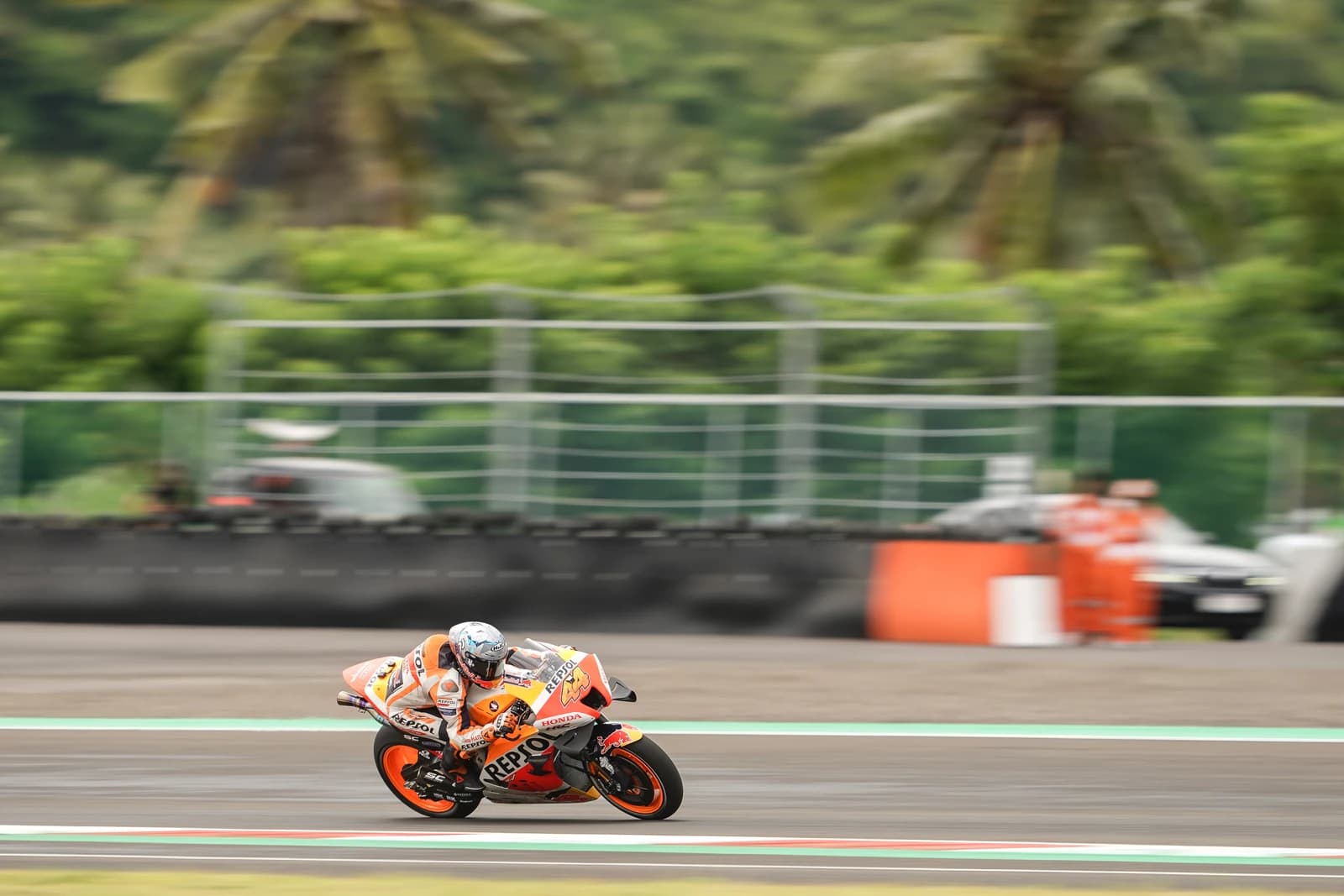
As the 9-11 October race weekend approaches at the Pertamina Mandalika International Circuit in Nusa Tenggara Barat, local businesses are again preparing for a surge in visitors that has already proved valuable in prior editions. Pertamina, which backs the event, said the race is meant to widen economic benefits for communities by linking global sport with tourism and local commerce.
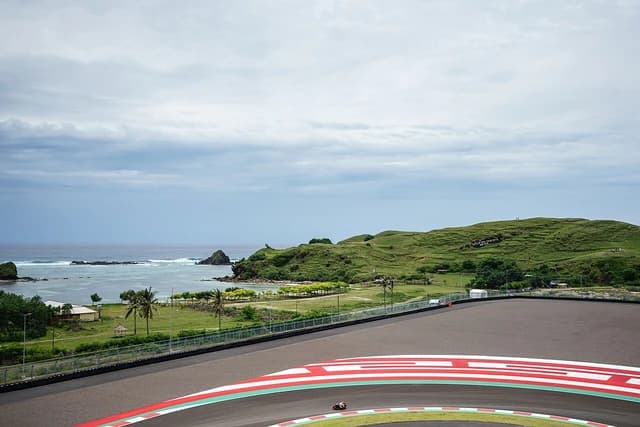
The economic case is straightforward. When a major international event draws fans, teams and support staff to a destination like Lombok, the gains ripple through hotels, restaurants, transport operators, car rentals and other services. For a region still building its profile as a sport-tourism hub, that spending can provide a short but meaningful boost to small and medium-sized enterprises that depend on visitor traffic.
Pertamina corporate communication vice president Muhammad Baron said the company views the Grand Prix as a way to promote Indonesia globally while opening opportunities for local communities. He said the influx of tourists and racing fans creates room for accommodation providers, food vendors, travel businesses, rental-car operators and other service companies to grow.
That matters because the Mandalika project has long been judged not just on the race itself, but on whether it can generate broader, recurring economic activity beyond the circuit. If local businesses keep seeing higher sales during race week, the event strengthens its case as a catalyst for regional income rather than a one-off spectacle.
For investors and policymakers, the story is about the durability of sport tourism as an economic development strategy. The upside is clearer foot traffic, higher occupancy and stronger sales for local firms, plus a larger international profile for Lombok as a destination. The risk is that the benefits remain concentrated around the event dates unless infrastructure, marketing and private-sector participation continue to deepen.
The near-term focus will be on visitor turnout and how widely the spending spreads across the local economy. If the 2026 edition again delivers measurable gains for community businesses, it will reinforce Mandalika’s role as a template for Indonesia’s push to turn global sporting events into local growth engines.
| Entity | Gains | Losses |
|---|---|---|
| Local businesses in Lombok | ▲Higher sales, more foot traffic | ▼Seasonal dependence |
| Pertamina / Mandalika organizers | ▲Stronger sport-tourism narrative | ▼Pressure to prove lasting impact |
| Tourism operators and transport firms | ▲More bookings and trips | ▼Capacity strain if demand spikes |
| Small vendors outside event zone | ▲Indirect spillover demand | ▼Limited access to visitor spending |