Macau’s economy kept expanding in the first three quarters of the year even as gaming revenue softened, underscoring how the city’s recovery is being propped up by tourism, events and investment beyond the casino floor.
Macau GDP Grows as Gaming Revenue Softens
That matters because Macau’s growth story still depends heavily on its ability to broaden beyond mass gaming and VIP play. Gross domestic product rose 2.9% year on year in real terms to MOP316.22 billion in the first nine months, or 89.9% of pre-pandemic 2019 levels, according to the Statistics and Census Service. The latest numbers suggest the economy is still healing, but the pace is uneven and far from complete.
The key point for investors is that Macau is showing resilience, not yet a full-demand rebound. Service exports rose 3.5% in the period, helped by visitor-attraction measures and a dense calendar of themed events. Tourism-related services did much of the heavy lifting: other tourism services climbed 8.2%, while gaming services inched up just 0.8%. Goods exports jumped 21.2% and imports rose 8.7%, while private consumption increased 2.7% and gross fixed capital formation advanced 4.6%.
Third-quarter GDP was almost flat at MOP106.05 billion, up just 0.1% year on year in real terms, as weaker gross gaming revenue pulled gaming services exports down 4.7%. But that drag was offset by a 6.8% rise in other tourism services and a 17.3% surge in investment, reflecting faster public and private works. In other words, the economy did not rely on casinos alone to stay afloat.
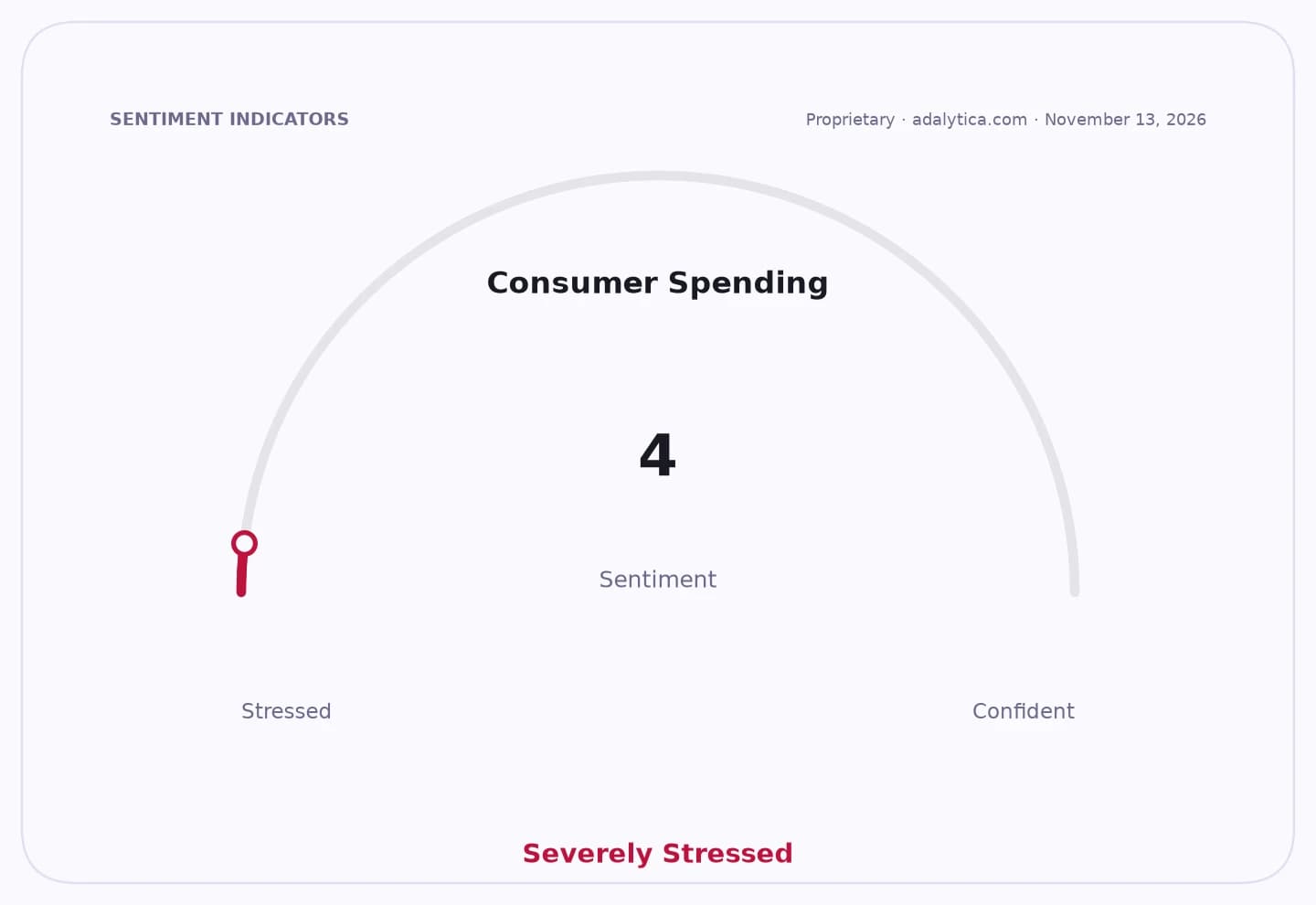
That is exactly the sort of mix long-term investors want to see if Macau is going to build a more durable growth model. Non-gaming visitor spending rose 13% to MOP23.09 billion, according to the Macau Economic Association, while the group said integrated resorts kept adding attractions outside the casino pit. The association’s sentiment index remained in the “stable” range at 6.1 in September and 6.2 in October, signaling that businesses are not seeing a sharp deterioration even if the recovery remains incomplete.
For gaming operators and resort owners, the message is mixed. Weak gaming revenue can still pressure the earnings mix in the near term, but rising tourist spending on dining, retail, leisure and events helps cushion the blow. That matters for companies such as Wynn Resorts and other Macau-linked operators, where the long-term thesis depends on a broader, more resilient customer base and less dependence on cyclical VIP volumes.
Macau’s policy direction also reinforces that shift. Secretary for Economy and Finance Dora Ng said the government will keep pushing the “1+4” diversification strategy, deepen the integration of tourism with events, gastronomy, education, culture and sport, and court more visitors from Southeast Asia, Northeast Asia, Europe and emerging markets such as India, the Middle East and Central Asia. The city is also leaning into Macau-Hengqin integration, where Macau entities boosted fixed investment in the cooperation zone sharply in the third quarter.
Looking ahead, the fourth quarter may still bring soft year-on-year gaming comparisons, but festivals, sporting events and performances should support spending on hotels, retail and restaurants. For investors, the bigger takeaway is that Macau is gradually building a more balanced economy — one that can keep growing even when the casino cycle cools. That makes the stock story less about a quick rebound and more about a patient, multi-year compounding opportunity.
| Entity | Gains | Losses |
|---|---|---|
| Macau’s non-gaming sector | ▲Higher visitor spending | ▼Dependence on casino revenue |
| Casino operators | ▲Event-driven traffic support | ▼Softer gaming revenue |
| Local government | ▲Diversification progress | ▼Slower broad recovery |
| Consumers/tourists | ▲More attractions and services | ▼Uneven recovery in pricing and offerings |