China’s three largest airlines are heading toward a full-year loss, a painful turn for a sector that should normally make its best money in the summer travel peak.
China Airlines Face Full-Year Losses on Fuel Costs
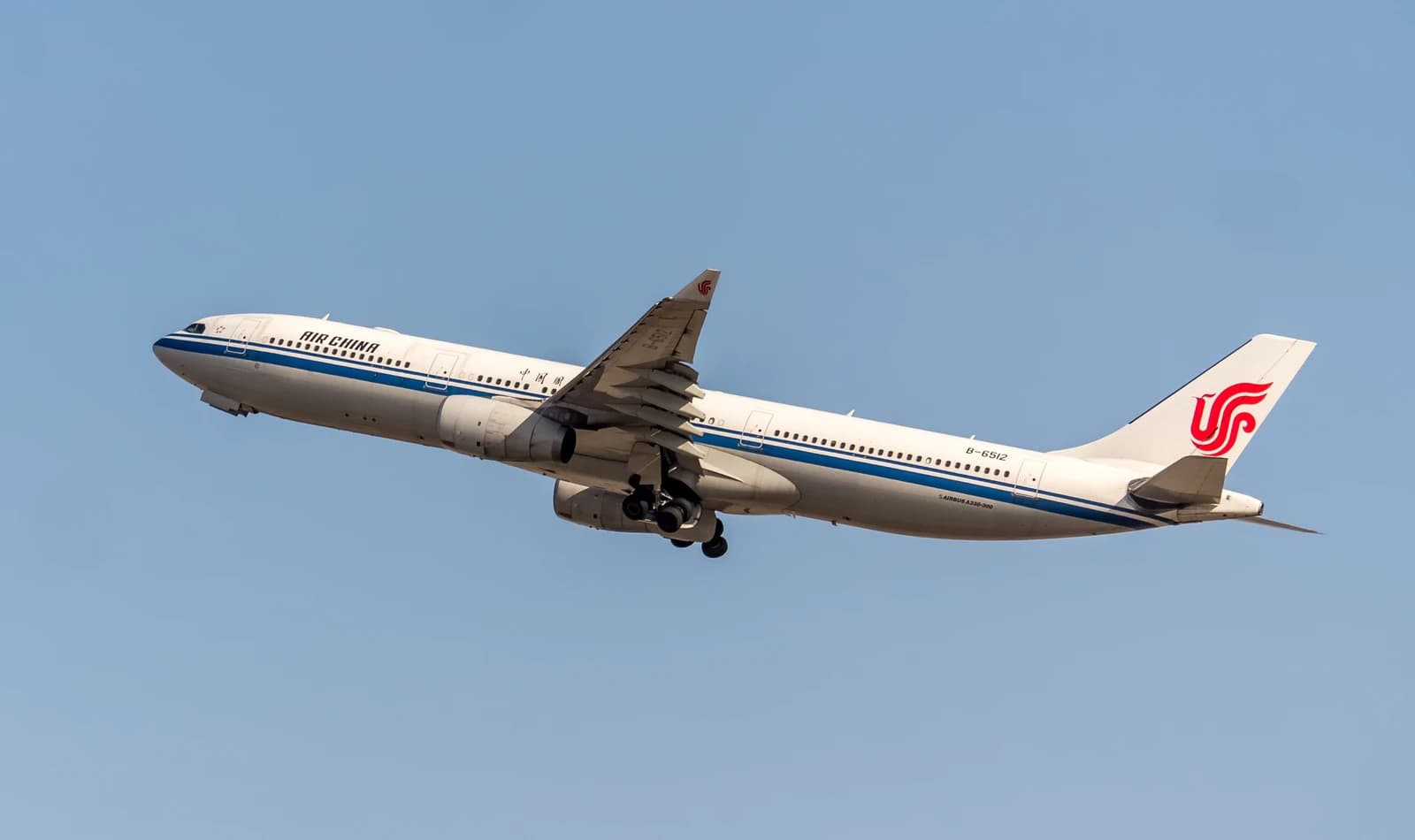
That matters because Air China, China Eastern Airlines and China Southern Airlines sit at the center of China’s travel economy. When they lose money in peak season, it is a sign that domestic demand is still too soft, fuel costs are still too high and fare competition is still too fierce to let recovery take hold.
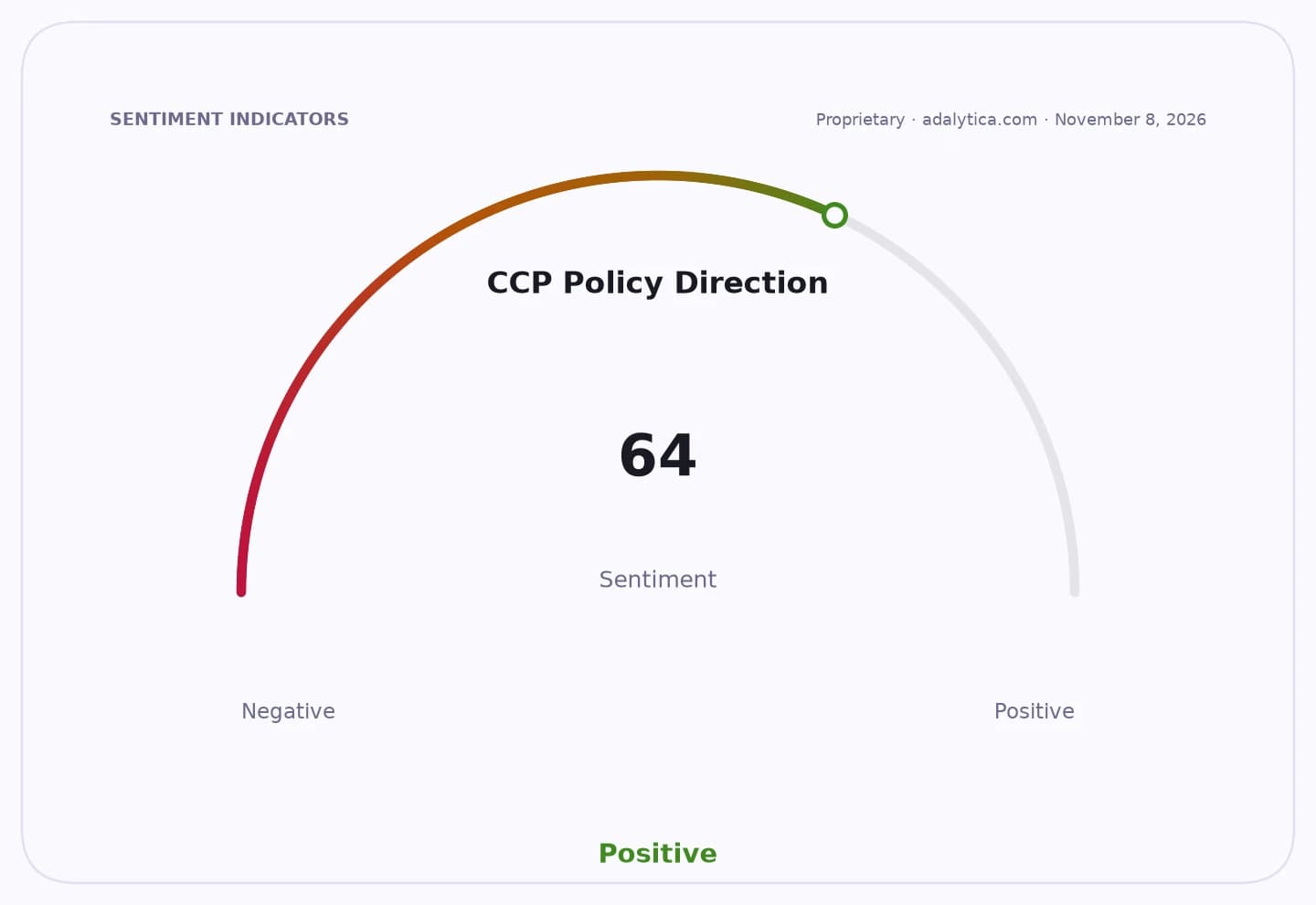
Sentiment Indicators
In the third quarter, the industry’s strongest quarter by seasonality, Air China’s net profit fell 93% to 270.6 million yuan, China Eastern’s dropped 98% to 64 million yuan and China Southern swung from a 3.84 billion yuan profit a year earlier to a 609 million yuan loss. For the first nine months, all three were in the red, according to the Reuters report, and analysts expect Air China and China Eastern to post a seventh straight annual loss since the pandemic while China Southern slips back into the red after briefly returning to profit in 2025.
The common thread is cost inflation without enough pricing power. Jet fuel prices have more than doubled since US and Israeli strikes on Iran in late February, and Chinese carriers have less hedging protection than many peers in Asia and Europe. That means the jump in fuel costs is hitting earnings almost directly, just as weak consumer spending and aggressive domestic competition keep ticket prices under pressure.
There is also a structural issue here that investors should not ignore. China’s high-speed rail network continues to take share from short-haul flights, making it harder for airlines to raise fares even when travel demand improves. Huatai Securities estimates Air China’s passenger revenue per customer, a proxy for ticket pricing, fell 5% in the third quarter. In other words, the airlines are selling more seats into a market where each seat is worth less.
The pain is showing up in equity performance too. As of Nov. 2, Air China shares were down 38% for the year, China Eastern had fallen 46% and China Southern 39%. That kind of underperformance tells you investors are no longer paying for a quick rebound story; they are discounting a longer stretch of margin pressure.
There are small signs of relief. Domestic fares rose by double digits after China’s October National Day holiday as airlines limited seat supply, and carriers are trying to squeeze more flying hours out of each aircraft to offset costs. But that is more a defense than a durable fix. With the fourth quarter typically a weaker travel period, and fuel still the biggest overhang, profitability looks fragile even if demand steadies.
For long-term investors, the key takeaway is that China’s airline recovery remains highly cyclical and unusually exposed to fuel and fare pressure. Until consumer demand strengthens and pricing improves, the sector may stay trapped between higher operating costs and thin margins. That makes patience essential, and it is a reminder that not every recovery story compounds at the same pace. Worth watching, but still a cautious proposition.
| Entity | Gains | Losses |
|---|---|---|
| Travelers | ▲Lower fares | ▼Airline profitability |
| Chinese airlines | ▲Slight fare support | ▼Fuel costs, weak demand |
| Railway operators | ▲More passenger share | ▼Short-haul air traffic |
| Equity investors | ▲Potential recovery optionality | ▼Near-term earnings pressure |