Western retailers are not just trimming stores in China — they are being forced to rethink what growth looks like in the world’s second-largest economy, and that matters for anyone invested in consumer, logistics and global supply-chain stocks.
China Retail Slowdown Hits IKEA Starbucks and Sephora
For years, China was the prize market where global brands expected scale, premium pricing and a long runway of middle-class spending. Now the dominant story is reversal. IKEA has shut seven large stores in a single day and is selling eight properties spanning about 500,000 square meters. Sephora’s Chinese partner has exited a 22-year venture for just 7 million euros. Guess has closed all its mainland stores and online shops. Starbucks, meanwhile, has already sold a 60% stake in its China business to Boyu Capital, turning nearly 8,000 cafes into a licensed model. That is not a routine reshuffle. It is a structural retreat.
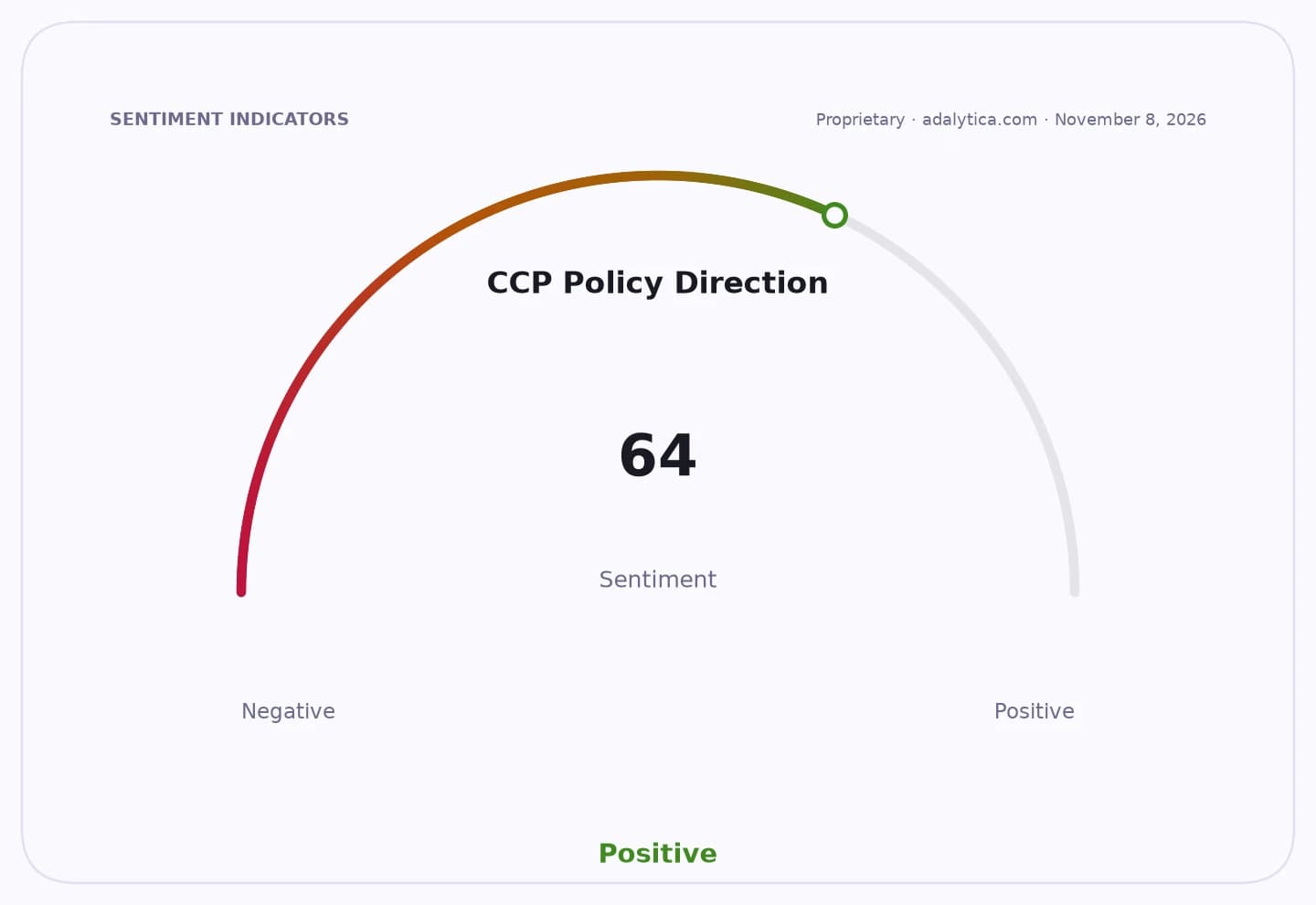
Sentiment Indicators
Why it matters economically is simple: China’s consumer engine is sputtering. A 38-month slide in property values has crushed household confidence, while youth unemployment at 18.9% has pushed younger shoppers toward discounting and local alternatives. National retail sales rose only 0.4% in August, and branded specialty-store sales fell 10% in the first eight months of 2026. When housing wealth falls and wages feel less secure, consumers trade down, delay purchases and abandon foreign prestige brands that once commanded a premium.
That shift is a warning shot for Western consumer companies and a tailwind for leaner domestic rivals. Luckin Coffee’s rise over Starbucks is the clearest example: cheaper drinks, smaller formats and app-driven convenience beat imported brand cachet. BYD did the same in autos. The broader message for investors is that China no longer guarantees premium growth for multinational retailers. It now rewards businesses that can localize aggressively, license rather than own, and compete on value.
The stock market has already started to price in that reality in different ways. Walmart, Costco and Target do not depend on China the way Starbucks or IKEA do, but they are exposed to the broader ripple effects: weaker global consumer demand, more intense price competition, and more complicated sourcing decisions. Walmart’s shares are trading above both their 50-day and 200-day moving averages, while Costco has stayed above its 50-day and 200-day lines as well, showing investors still value defensive scale and pricing power. Target, by contrast, has been more volatile, with its recent stock pattern reflecting how quickly discretionary retail sentiment can swing when consumers get cautious. For long-term investors, the distinction matters: the winners are the companies with pricing discipline, strong balance sheets and flexible supply chains.
There is also a second-order investment story here. China’s “plus one” manufacturing shift is accelerating, with Apple’s production mix moving toward India and other markets. That reduces concentration risk for multinationals, but it also means some jobs, investment and future capacity are leaving China for good. In the near term, Beijing can cushion the slowdown with subsidies and easier credit. But it cannot easily restore the household wealth effect of a damaged property market, which is what really keeps consumers spending.
For investors, the lesson is not to chase headlines about an overnight China exit. It is to recognize a longer reallocation of capital, brand power and factory capacity. Western retailers are learning that China is no longer an easy-growth market, and companies that depended on premium expansion there may struggle to regain old margins. If you own global consumer stocks, this is worth watching closely — and if you are building a portfolio for the next decade, favor businesses that can grow even when China does not.
| Entity | Gains | Losses |
|---|---|---|
| Local Chinese retailers | ▲Market share | ▼Premium-priced foreign brands |
| Consumer discount chains | ▲Trading-down demand | ▼Import-heavy lifestyle brands |
| Walmart/Costco/Target | ▲Defensive scale, sourcing flexibility | ▼China-dependent growth models |
| IKEA/Sephora/Starbucks | ▲Asset-light exits, licensing fees | ▼Store-level control and premium pricing |