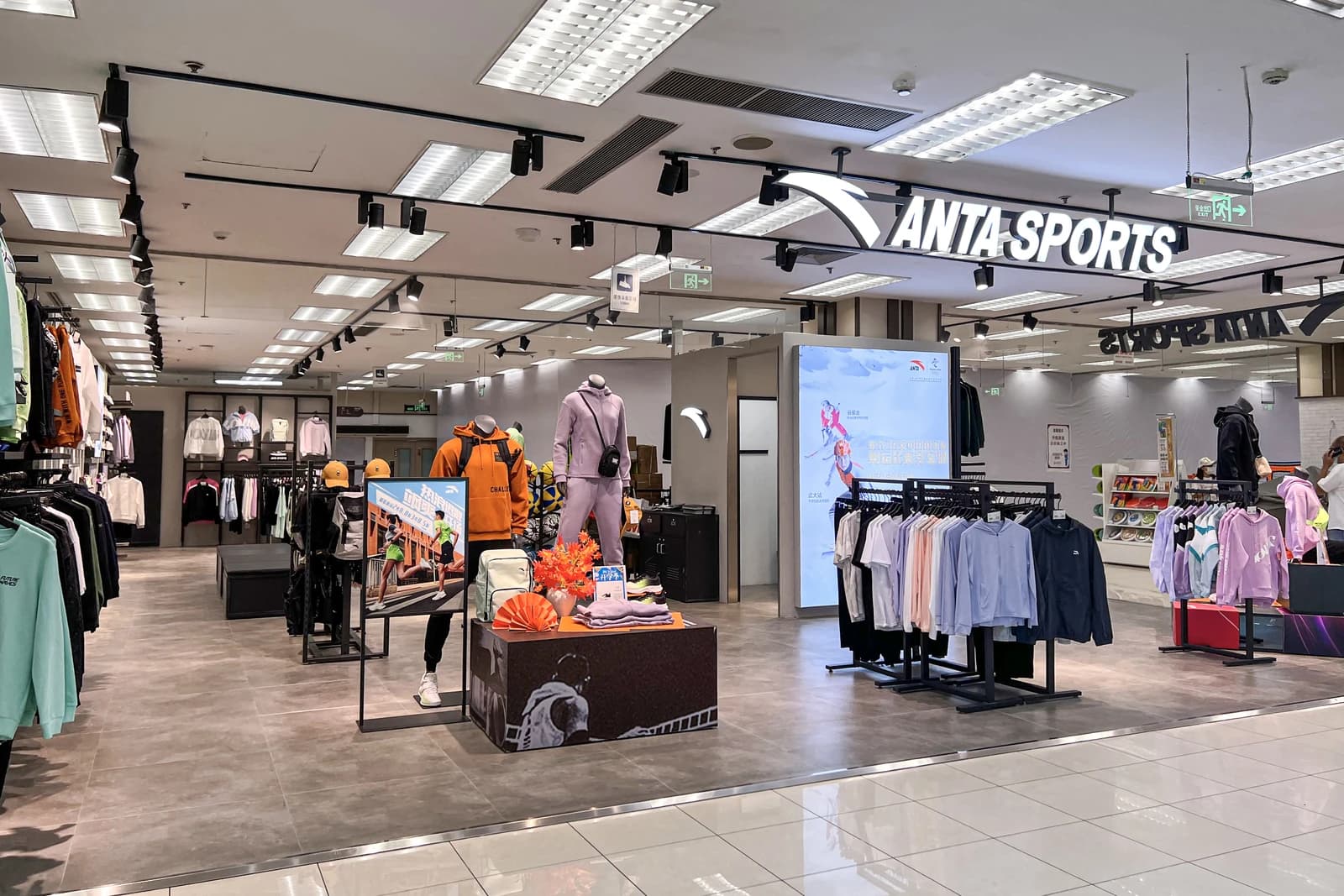
China’s shift away from Western status symbols is inflicting a brutal reset on Europe’s biggest luxury groups, wiping more than 250 billion euros, or about $208 billion, from the market value of six marquee houses this year and raising fresh doubts over the sector’s growth engine.
China demand drop hits European luxury groups
The pullback matters because China has long been the industry’s most important demand driver, helping power years of outsized pricing, store expansion and margin gains. Now, slower growth, a property slump and changing tastes are colliding with a strategic misread by brands that relied too heavily on logo-heavy products and aggressive price increases.
Sentiment Indicators
The clearest warning sign is that the customer base is not simply slowing, but changing. Younger Chinese shoppers are gravitating toward quieter luxury, local labels and high-end jewelry, while rejecting the conspicuous branding that once defined the market for groups such as LVMH, Hermès, Kering, Richemont, Prada and Moncler.
The damage has already shown up in share prices. LVMH’s American depositary receipts have fallen to about $86.16 from roughly $140.67 in early December, while Kering’s ADRs have tumbled to about $122.79 from around $149.14 in January. Prada has taken an even harder hit, sliding to $19.72 from $33.11 over the same broad period, underscoring how exposed luxury valuations remain to China demand.
US-China Relations vs LVMUYadalytica.com
Explore this data interactively — full history, time series and cross-market comparisons.
Investors are watching whether the downturn is cyclical or structural. If Chinese consumers keep favoring domestic brands such as Laopu Gold and Mao Geping, the luxury sector may have to reset pricing power, store strategy and earnings expectations rather than wait for a rebound in discretionary spending.
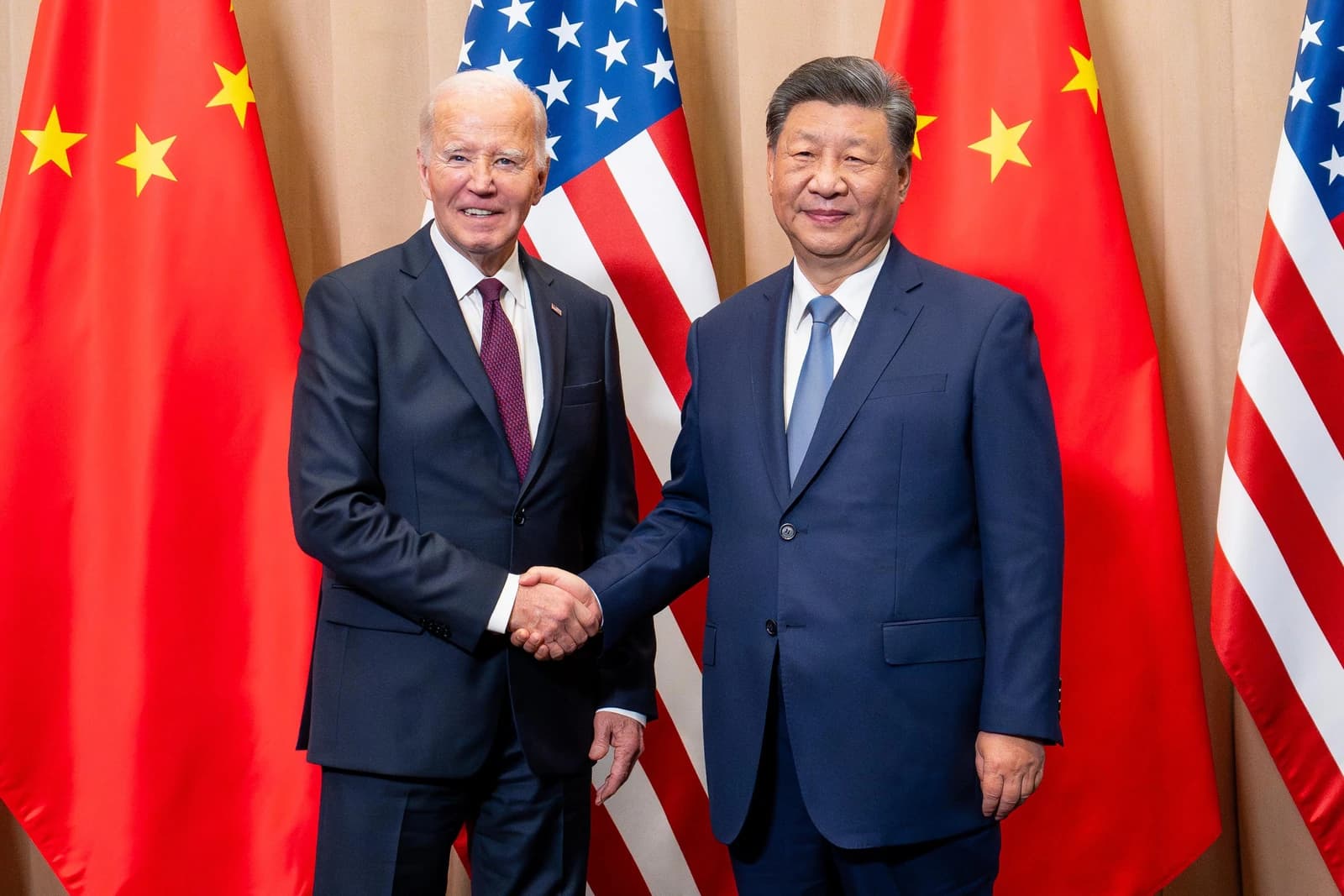
The shift also carries a geopolitical edge. Adalytica’s US–China Relations Sentiment gauge sits at a neutral 68, but awareness is at an “extreme fear” reading of 4, reflecting how fragile cross-border consumer and brand ties remain after years of strain. The sector’s next test will be whether upcoming sales updates show a deeper loss of Chinese momentum or signs that brands can win back relevance with lower-profile products and more localized merchandising.
| Entity | Gains | Losses |
|---|---|---|
| Chinese local luxury brands | ▲Market share, cultural relevance | ▼None materially |
| European luxury groups | ▲None materially | ▼Sales growth, valuation, pricing power |
| Chinese consumers | ▲Lower-priced, locally aligned options | ▼Western logo-driven prestige cycle |
| Investors in luxury stocks | ▲Selective winners with China exposure hedged | ▼Broad sector valuations |