Chinese brands are no longer winning only on price; they are starting to win on quality, and that shift could reshape consumer markets from cameras to running shoes.
Chinese brands gain ground in premium consumer goods
That matters because the old “Made in China” discount has long been one of the most durable assumptions in global consumer investing. If Chinese companies can build products that enthusiasts regard as equal to, or better than, Japanese, European and American rivals, they can command better margins, expand overseas and take share from established brands that have relied on reputation as much as performance.
Sentiment Indicators
The clearest evidence is in niches where buyers are demanding and unforgiving. Viltrox, once seen as a low-cost alternative in camera lenses, has spent about four years improving materials and manufacturing until photographers now treat it as a serious “in-the-know” brand rather than a bargain-bin option. In fountain pens, Chinese makers such as Asvine and Hongdian are being compared with European and Japanese names. In pocket knives, WE Knife and Reate Knives have moved from contract manufacturing into their own branded products, with fit and finish that collectors say can match or exceed expensive Western rivals.
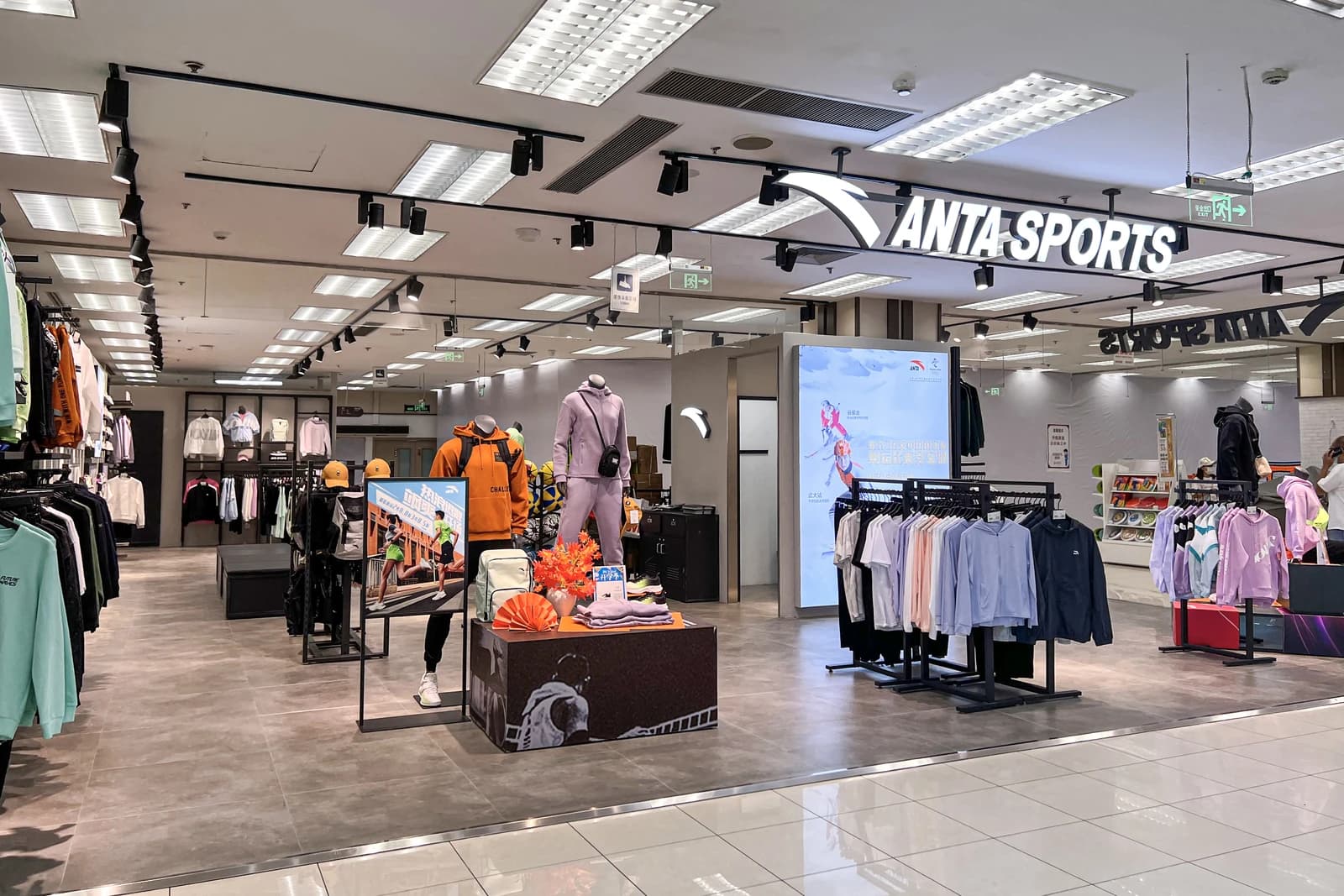
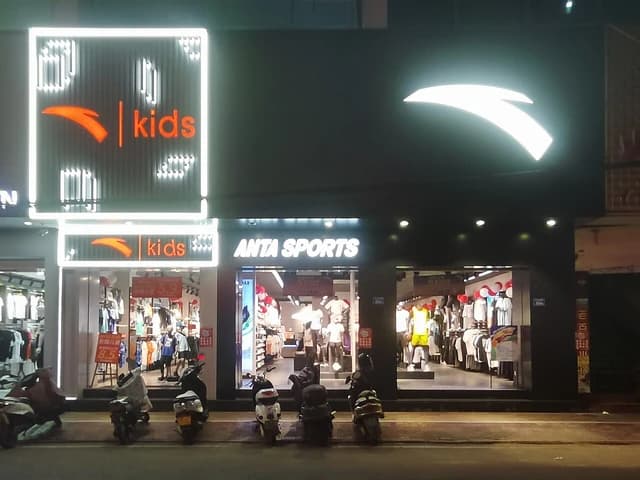
The bigger story for investors is that this is no longer just about obscure hobbyist categories. It is moving into mass-market sportswear, where brand power and product performance can translate into huge revenue pools. Anta opened a store in Beverly Hills in February, while Li-Ning signed a long-term endorsement deal with Stephen Curry in June, both signs that Chinese labels want to compete not just in China but in the U.S. premium market. Their shoes are being pitched as technically sophisticated and cheaper than comparable models from Nike, Adidas and Asics — a combination that is hard for value-conscious consumers to ignore.
CCP Policy Direction
That puts pressure on incumbents at a time when growth is already uneven. Nike’s latest filing showed Greater China revenue fell 22% in the quarter ended Aug. 31, underscoring how difficult it has become to defend share in one of the world’s most important sporting-goods markets. For Western brands, the challenge is not simply lower-priced competition. It is the possibility that Chinese companies will increasingly be seen as legitimate premium choices, especially by younger consumers who have less attachment to legacy Western labels.
Even in running, where Chinese brands still lag the biggest names in scale and recognition, the gap is narrowing. A lesser-known label, Dynafish, sparked online buzz after hobbyists on Reddit and YouTube praised a $130 training shoe with “super foam” usually found in much pricier models. The company says it sold about 200,000 pairs in its first year and expects sales to jump to 800,000 next year, split evenly between domestic and overseas buyers. That kind of growth shows how quickly product quality can spread through enthusiast communities before mainstream marketing even catches up.
For long-term investors, the takeaway is simple: the China growth story is not just about cheap manufacturing anymore. It is about brands, design, technical execution and the ability to win trust from demanding customers outside China. That does not mean every Chinese label will become a global winner, but it does mean investors should watch for companies that can turn manufacturing skill into brand equity. The businesses that can do that may become some of the most interesting compounders in consumer goods over the next decade.
| Entity | Gains | Losses |
|---|---|---|
| Chinese brands | ▲Premium pricing power | ▼Old “cheap goods” stigma |
| Western incumbents | ▲Higher-pressure innovation race | ▼Market share and brand advantage |
| Enthusiast consumers | ▲Better value and more choice | ▼Clear separation between premium and budget labels |
| Nike, Adidas, Asics | ▲Incentive to sharpen product design | ▼Share in price-sensitive and style-driven segments |