Foreign visitors are turning China into a shopping destination as well as a tourism market, a shift that is boosting retail receipts, highlighting the pull of domestic brands and giving the world a more consumer-friendly view of Chinese products.
China inbound tourism boosts retail spending
The trend, known online as “China Haul,” has spread on social media as travelers post videos of returning home with Chinese goods in empty suitcases, from sportswear and toys to small electronics and daily necessities. The economics are already showing up in the numbers: overseas visitors spent 263.6 billion yuan, or about $39 billion, in China in the first seven months of 2026, up 27.8% from a year earlier, according to the Ministry of Commerce.
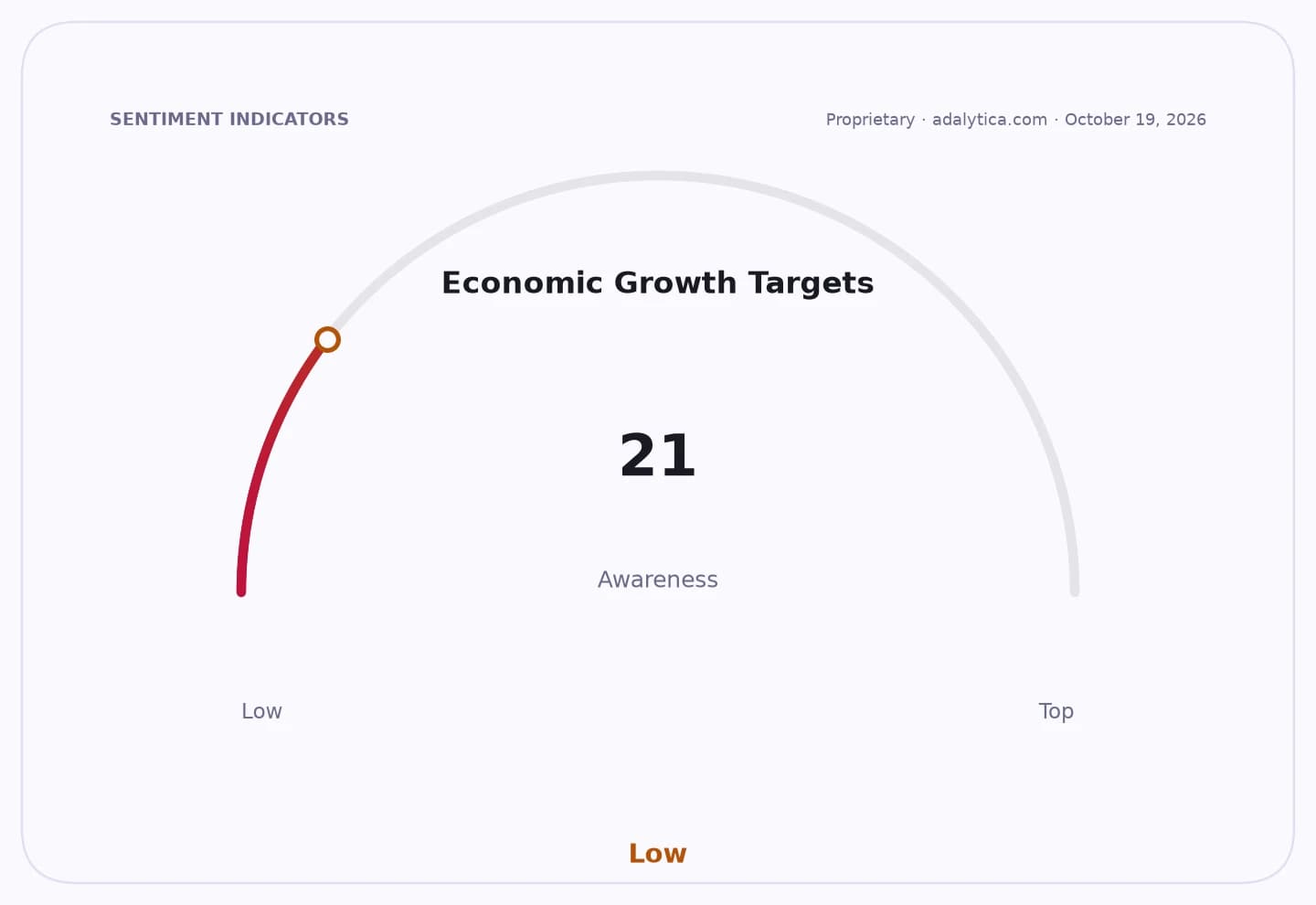
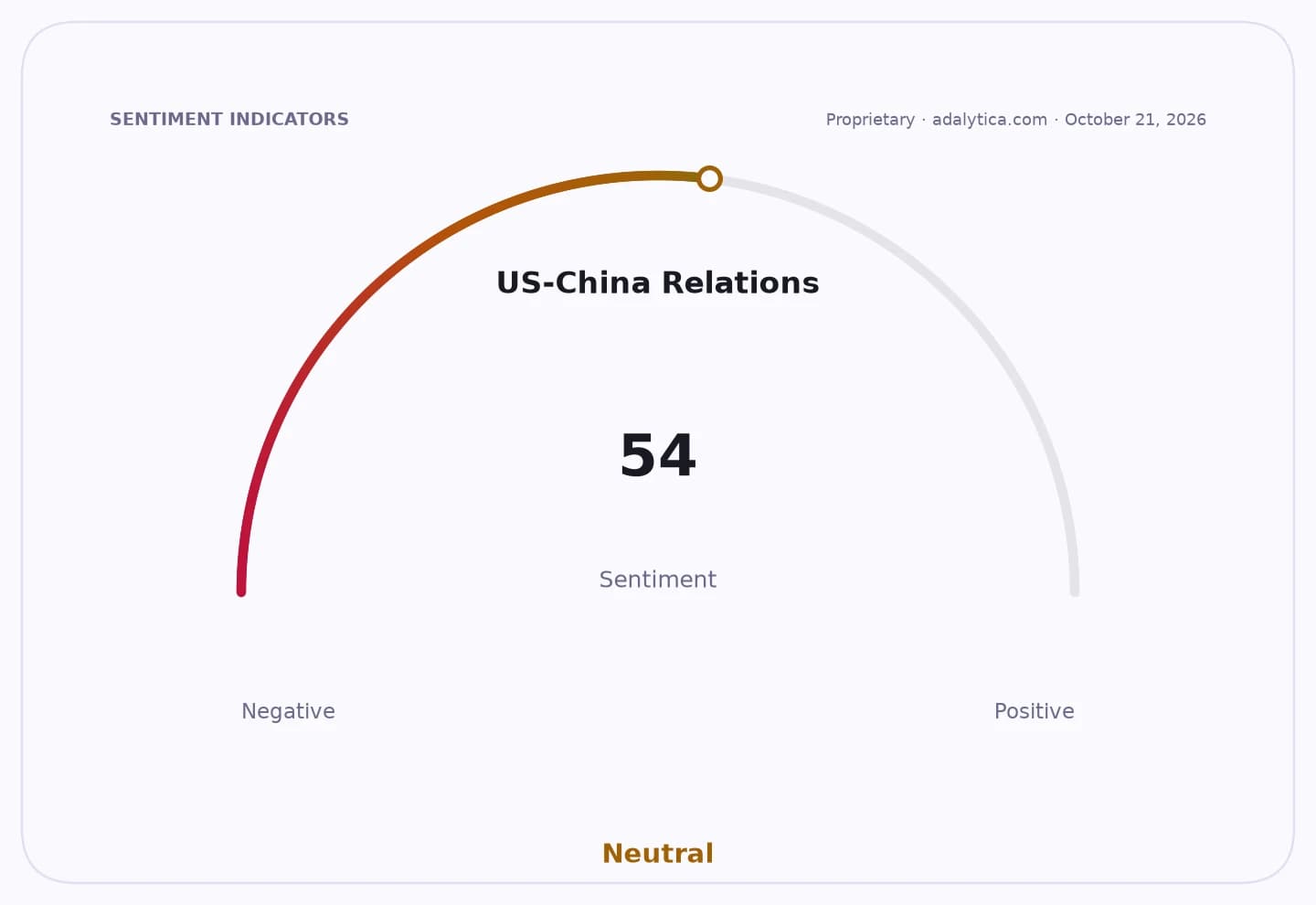
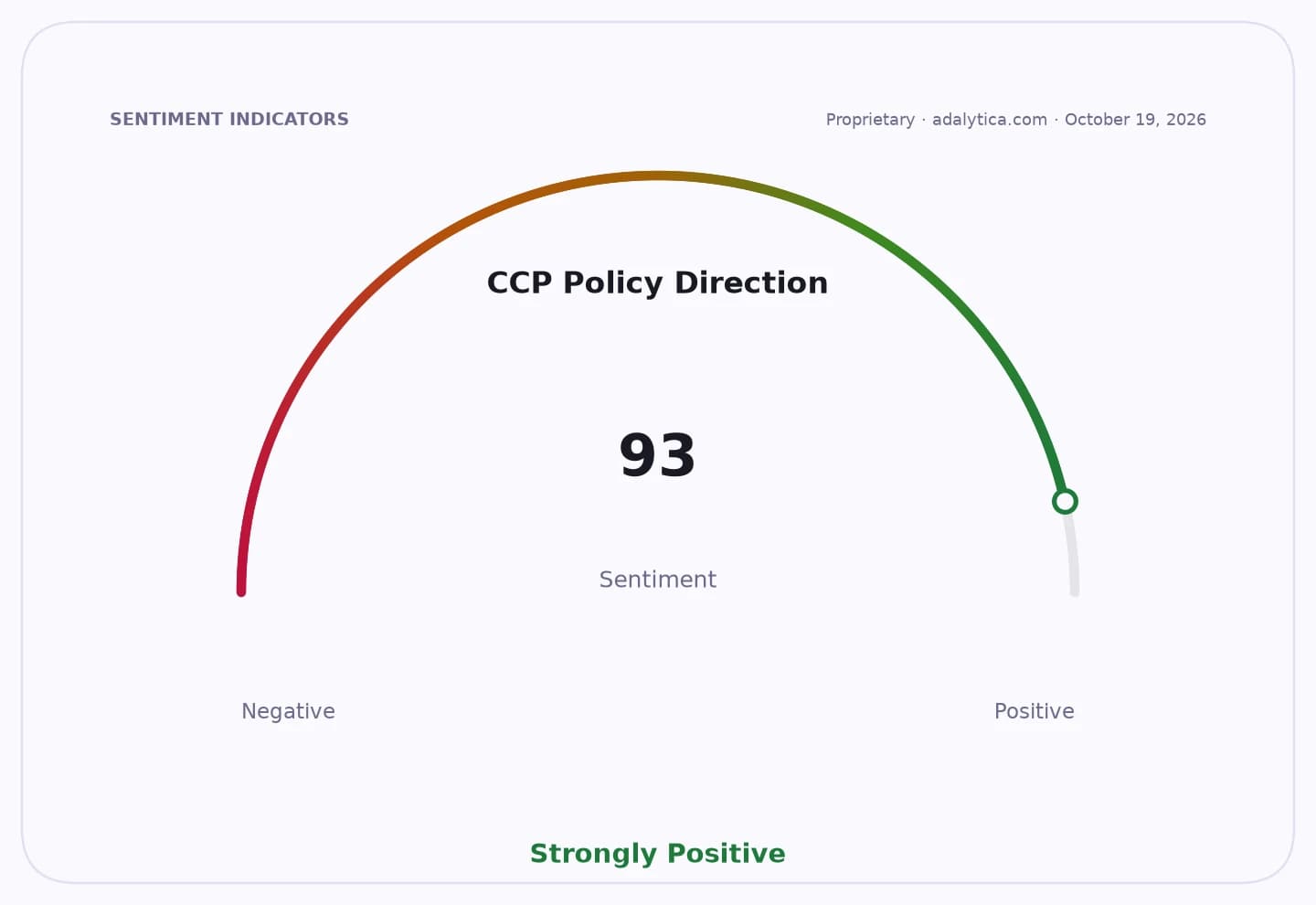
Sentiment IndicatorsⓘProprietary · adalytica.com · October 18, 2026
This is a snapshot — live sentiment, awareness and momentum for 130+ markets update continuously in the dashboard.Open AlphaPulse
That spending matters because it points to a broader change in China’s inbound tourism model. For years, foreign tourists often came for landmarks and business travel, then spent little in local stores relative to peers in shopping-heavy destinations such as Japan, South Korea or Singapore. Visa-free entry arrangements, expanded departure tax refunds and faster delivery services are now making it easier to convert visits into retail sales, adding a new support to domestic consumption at a time when China is trying to rely more on internal demand.
The appeal is not only convenience. Foreign shoppers are discovering Chinese brands that compete aggressively on price while also improving in design and quality. British YouTuber Elliot Page’s Guangzhou vlog, which featured Li-Ning and Anta, captured a broader reaction among overseas visitors who say Chinese products often look trendier and cost less than comparable goods at home. At a Xiaomi store in Chengdu, management said foreign tourists now account for 30% of daily customer flow, underscoring how the shift is reaching mainstream retail.
For investors, the implication is that parts of China’s consumer economy may be finding a new growth channel even before domestic demand fully recovers. Companies with strong store networks, recognisable brands and efficient logistics stand to benefit most. Alibaba and JD.com could see indirect support if the trend deepens into more cross-border e-commerce and tourism-linked purchases, while Xiaomi and branded apparel groups may gain from better foreign visibility. PDD and other value-focused platforms may also benefit if “China haul” sentiment broadens beyond physical travel into online shopping behavior.
There is a market narrative underneath the travel videos: China is trying to export a softer version of itself through consumer goods rather than only through industrial output and geopolitics. That matters because it can reshape how global consumers, and eventually global investors, think about Chinese brands. The bull case is that inbound tourism becomes a durable retail engine and a branding campaign rolled into one. The bear case is that the phenomenon remains a social-media novelty, concentrated in a few cities and product categories, and vulnerable to any cooling in travel demand or diplomatic friction.
Still, the direction of travel is clear for now. The combination of easier entry, stronger refund services and more globally competitive Chinese consumer brands is making shopping part of the China visit. If the trend persists, it could support retail sales, strengthen select consumer names and reinforce China’s effort to present itself not just as a factory for the world, but as a source of goods that foreign shoppers actively want to take home.
| Entity | Gains | Losses |
|---|---|---|
| Foreign tourists | ▲Cheaper, trendier purchases | ▼Higher travel spending time |
| Chinese brands | ▲More overseas exposure | ▼Imported rival brands |
| Retailers in China | ▲Higher foot traffic and sales | ▼Pure tourism venues without shopping draw |
| Foreign consumers at home | ▲Access to new brands | ▼Domestic retailers facing lost demand |