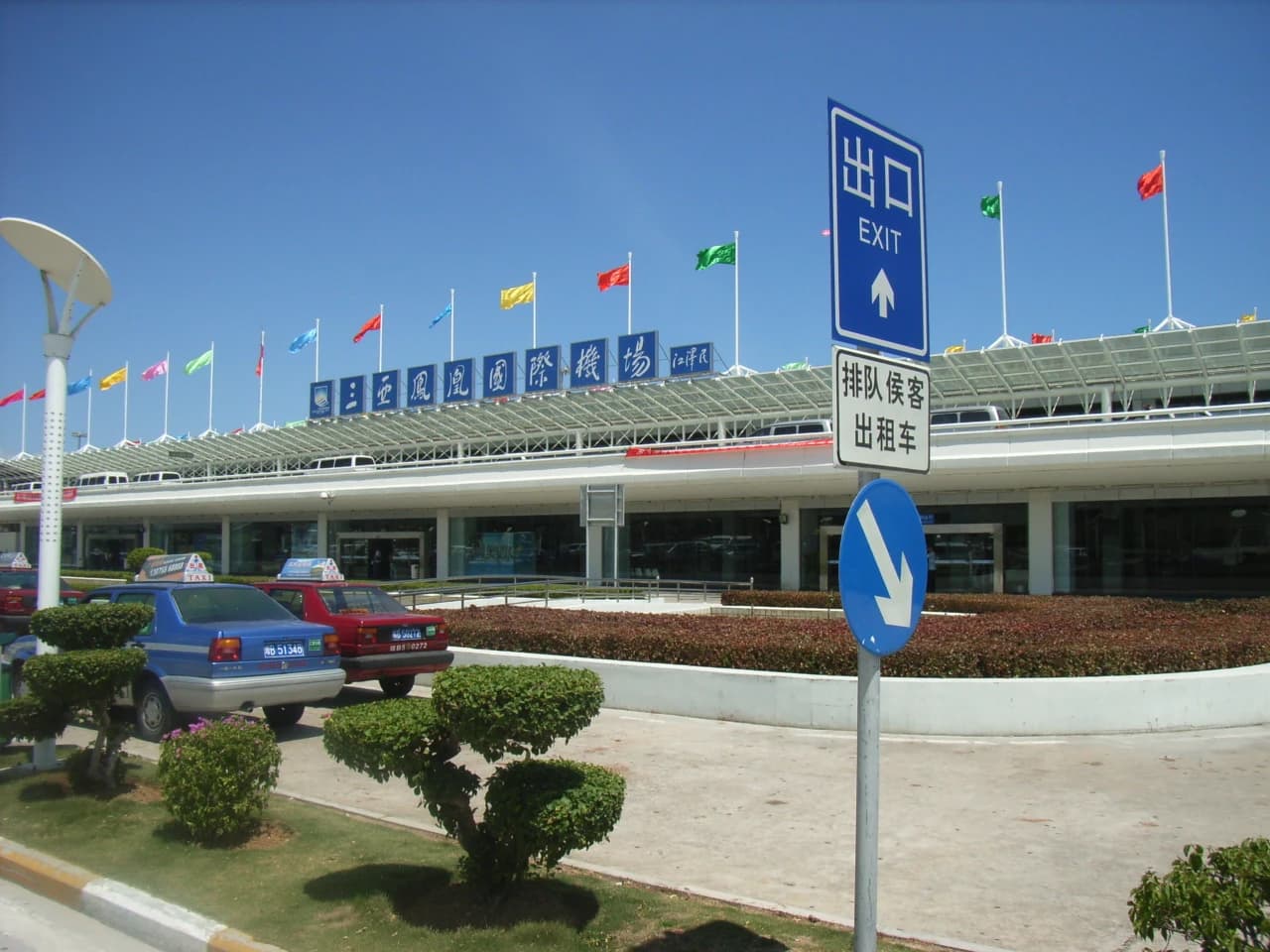
China is becoming a more accessible holiday destination for Indonesians, and that is turning lower travel costs into a real demand driver.
China Travel Demand Rises Among Indonesians

The biggest new information is not just that more Indonesians are going to China, but that the trip can still be assembled at a relatively modest budget even as outbound travel accelerates. Indonesia’s statistics agency said travel by Indonesians to China rose 33% in the first half of 2026 from a year earlier, with China taking 8.69% of the 4.46 million outbound trips made in the period. That matters because it shows China is moving from a long-haul aspirational destination to a mass-market option for middle-income travelers, helped by broader flight access, diverse destinations and visa rules that are still manageable.
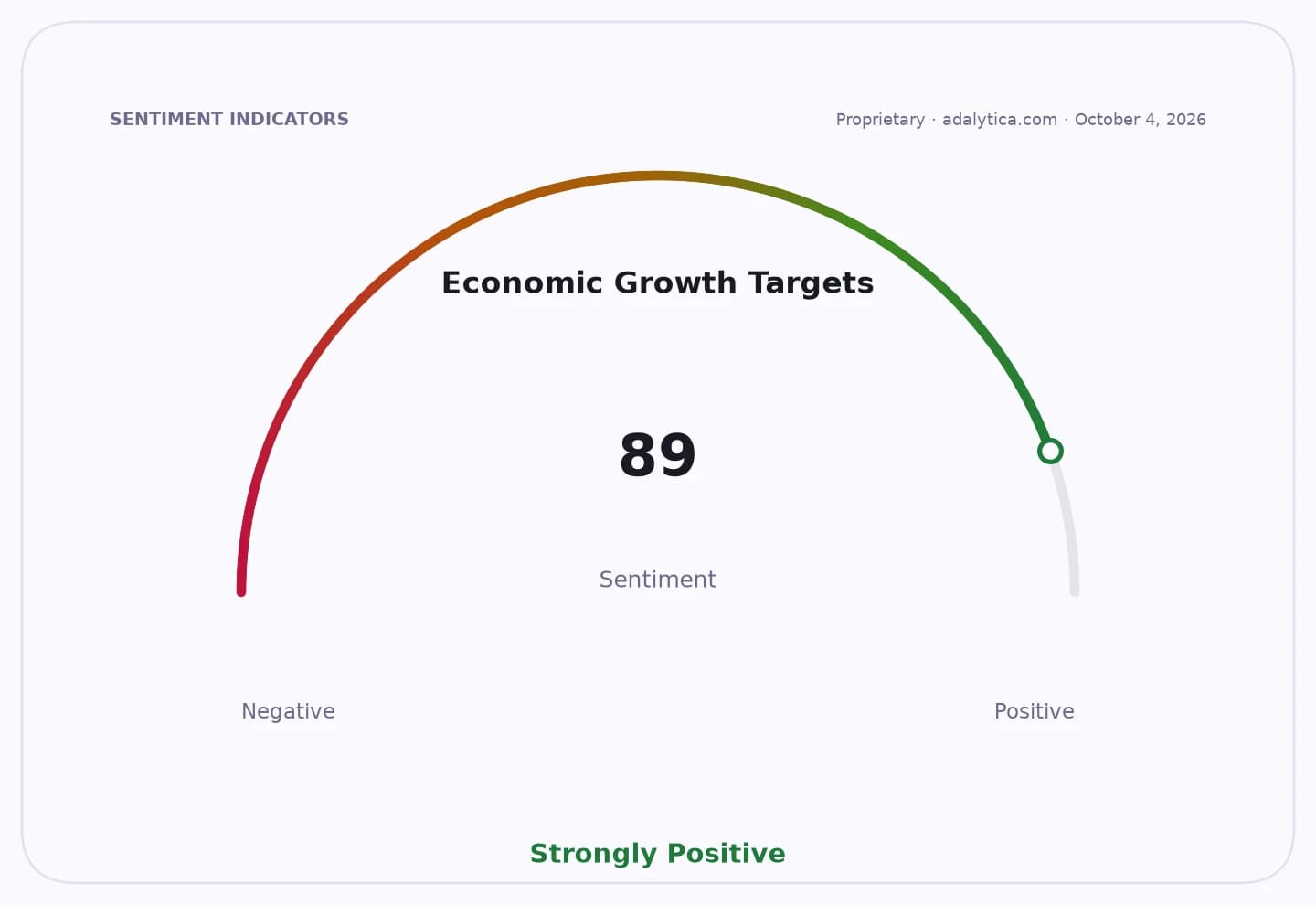
Sentiment IndicatorsⓘProprietary · adalytica.com · October 5, 2026
This is a snapshot — live sentiment, awareness and momentum for 130+ markets update continuously in the dashboard.Open AlphaPulse

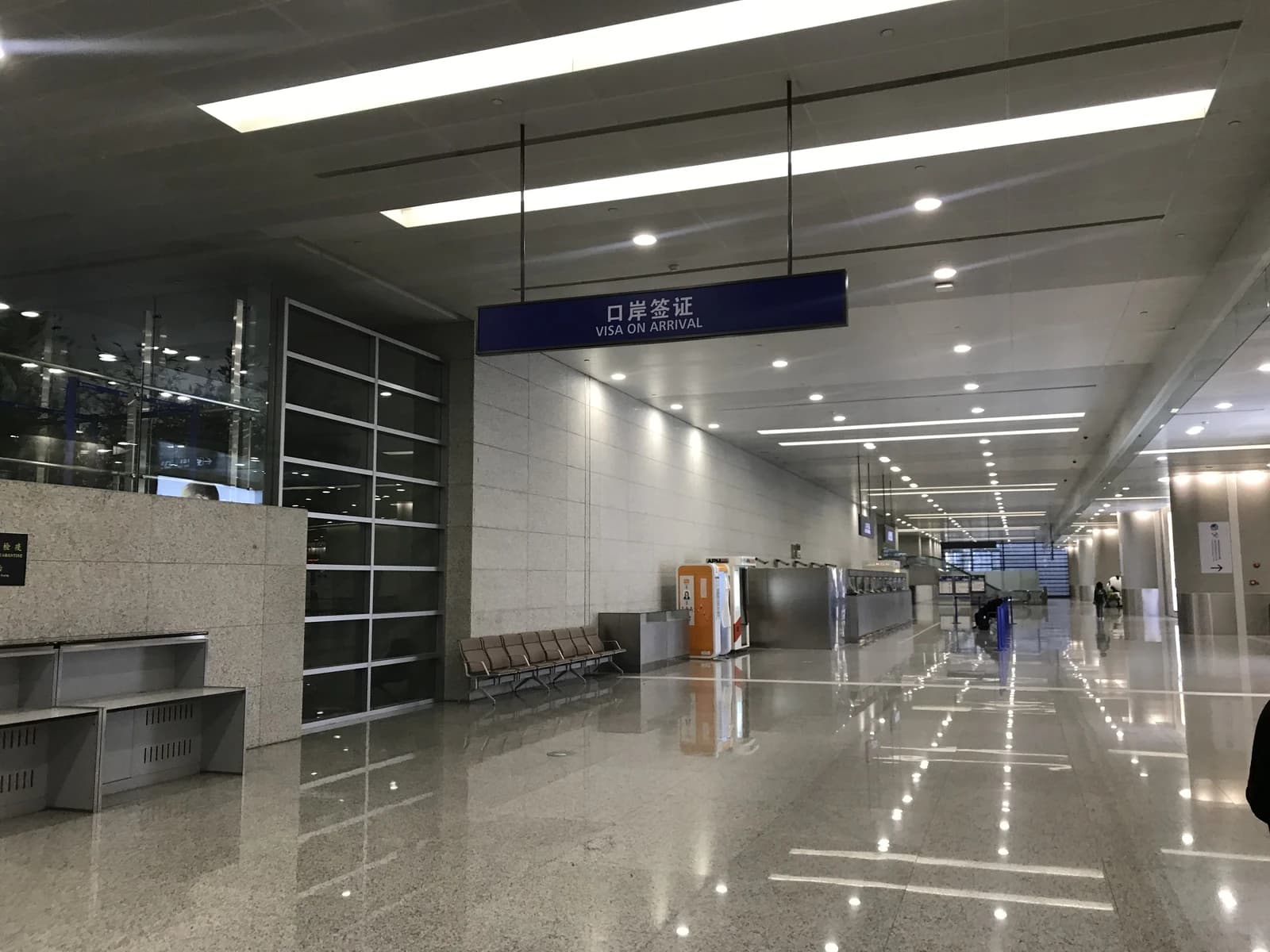
A five-day, four-night Jakarta–Shanghai–Beijing–Jakarta itinerary illustrates why. A China Southern ticket from Jakarta to Shanghai starts at about Rp2.7 million, metro fare from Pudong into central Shanghai is around 7 yuan, or roughly Rp19,000, and two nights at a budget hotel in Shanghai comes in at about Rp1.2 million. Add China’s single-entry visa fee of Rp400,000 and a visa-center service charge that takes the regular total to about Rp745,000, and the trip begins to look affordable relative to many regional alternatives. For price-sensitive travelers, that is a powerful tailwind.
The economics matter beyond tourism. Cheap, frequent travel supports airlines, online travel platforms, hotels, metro systems and urban retail in Chinese gateway cities such as Shanghai and Beijing. It also keeps consumer spending flowing across borders at a time when households are still selective about discretionary purchases. For China, inbound and transit-friendly policies help reinforce the country’s standing as a regional travel hub. For Indonesia, stronger outbound demand is another sign that consumer confidence is holding up in the upper-middle segment even as families search for value.
Markets should care because travel is one of the clearest channels through which currency moves, air capacity and policy shifts show up in revenue. A weaker dollar backdrop and a yuan that remains manageable against the rupiah support affordability, while the continued recovery in regional mobility should benefit carriers with China exposure, OTA platforms and hospitality names tied to major city break itineraries. The move also reinforces the case for infrastructure and services companies that profit from passenger volume rather than luxury spending.
The broader narrative is straightforward: China is not just reopening to visitors, it is increasingly competing on price. That is a bullish setup for volume-driven tourism businesses on both sides of the route, and it suggests investors should keep watching the underappreciated beneficiaries of mass-market travel flows, from airlines and booking platforms to transport operators and budget hotel chains. In a world where consumers are still hunting for value, China is emerging as one of Asia’s most scalable holiday trades.
| Entity | Gains | Losses |
|---|---|---|
| Chinese airlines | ▲More passenger volume | ▼Fares under pressure |
| Budget hotels in Shanghai/Beijing | ▲Higher occupancy | ▼Premium pricing power |
| Travel platforms | ▲More bookings | ▼Lower-margin competition |
| High-cost holiday destinations | ▲Lose price-sensitive travelers | ▼Share of wallet to China |