Hainan is emerging as the clearest winner in China’s inbound tourism revival, and that matters because the island is turning foreign arrivals into a repeatable spending machine rather than a one-off holiday stop.
Hainan draws more foreign visitors in China travel revival
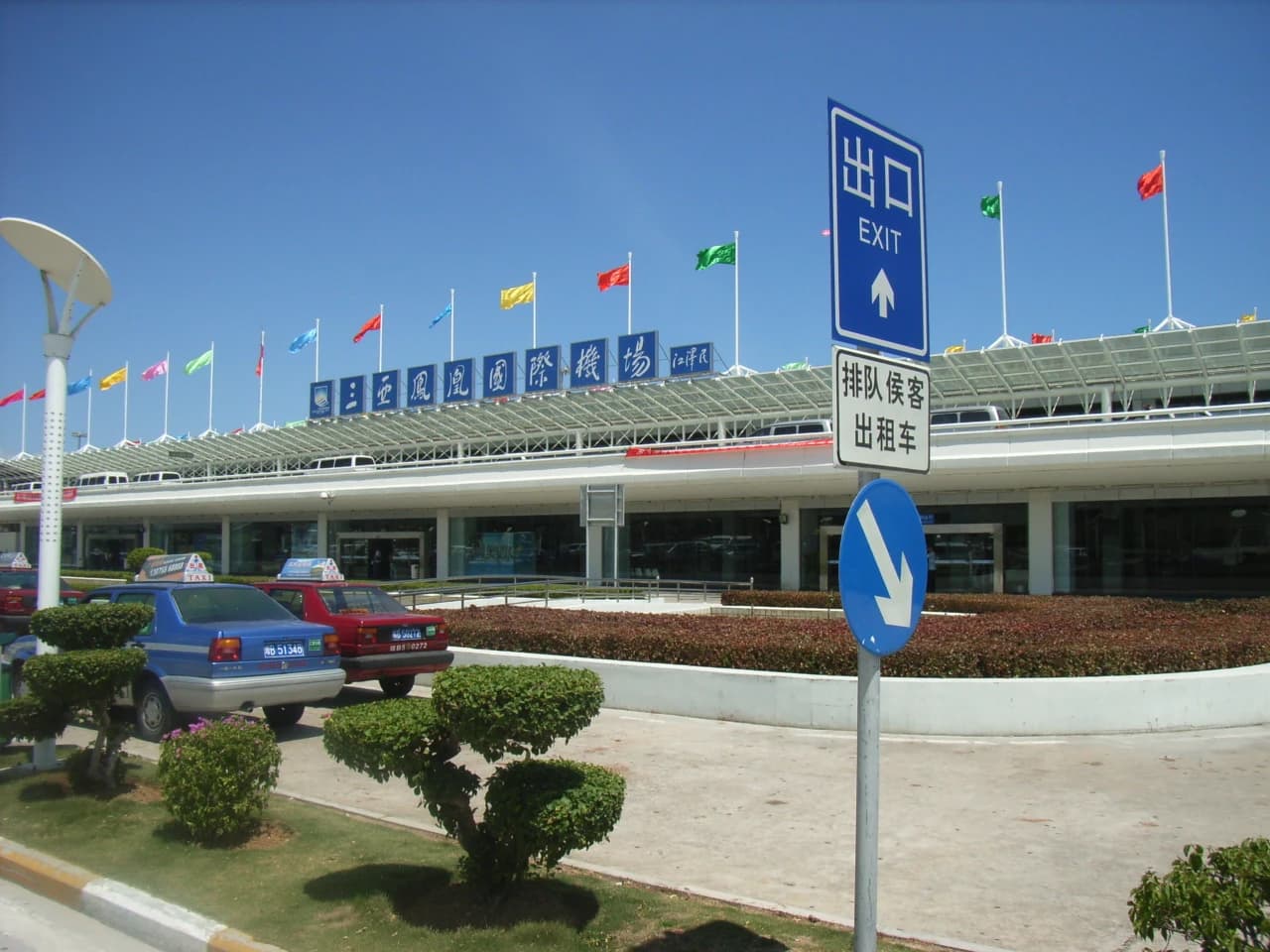
The southern province is now being framed as the leading destination under China Travel, with officials and state media saying overseas visitors are choosing Hainan not for a single attraction but for a bundled experience: beach resorts, multilingual service, traditional Chinese medicine, dining, climate and easier cross-border logistics through the free-trade port system. That combination is important economically because it lifts per-visitor spending, lengthens stays and strengthens the local services economy — exactly the sort of domestic-demand engine Beijing wants as property weakness and external trade pressures linger.
The numbers point to a real inflection. Hainan drew more than 1 million foreign visitors in the first half of the year, while Sanya received 946,000 tourists in January through August, almost 50% more than a year earlier. Tourism income in Sanya rose about 67% year on year, underscoring that this is not just volume growth but a higher-value mix. For a province that once functioned as a peripheral beach destination, Hainan is now being positioned as the start and finish of a China itinerary, with travelers entering through Sanya, touring major cities such as Shenzhen, Xi’an, Beijing, Shanghai and Chengdu, then returning to the island before flying out.
That matters for investors because inbound tourism is one of the cleanest ways to monetize China’s reopening without waiting for a broad consumer recovery. The beneficiaries are obvious: airlines, hotels, online travel platforms, attraction operators and premium retail tied to Sanya’s luxury and leisure spend. Trip.com Group, which sits at the center of China’s booking flow, is the most direct public-market proxy, while hotel chains and travel-service providers with exposure to high-yield domestic and inbound travelers should see the strongest leverage if the trend persists. Beijing also gets a policy win: Hainan’s free-trade-port model is producing tangible demand stimulus, not just headlines.
The market is still underestimating how durable this can be. The story here is not simply that foreign tourists are returning to China; it is that Hainan has built the infrastructure, policy framework and service layer to capture them at both ends of the trip. That creates a compounding loop: more arrivals support more investment in hospitality, which improves the experience, which pulls in more higher-spending visitors.
For investors, the actionable takeaway is to watch Hainan as a template for China’s next phase of travel monetization. If inbound flows keep rising through the peak holiday and winter season, the trade should stay with the companies that sell the experience — booking platforms, premium hotels and resort operators — rather than the broad China consumer basket.
| Entity | Gains | Losses |
|---|---|---|
| Hainan/Sanya | ▲Higher tourist receipts | ▼Peripheral destination status |
| Trip.com Group (TCOM) | ▲More booking volume | ▼Weak China travel sentiment |
| Hotel and resort operators | ▲Higher occupancy and spend | ▼Low-yield mass tourism |
| Competing China destinations | ▲Spillover traffic | ▼Share of inbound arrivals |