A sharp long-weekend surge in mountain tourism has overwhelmed hill-station infrastructure in northern India, leaving travelers stranded in traffic, full hotels and even bus depots as demand for rooms and roads outpaced supply in Nainital and Shimla.
Nainital, Shimla Face Holiday Tourism Gridlock
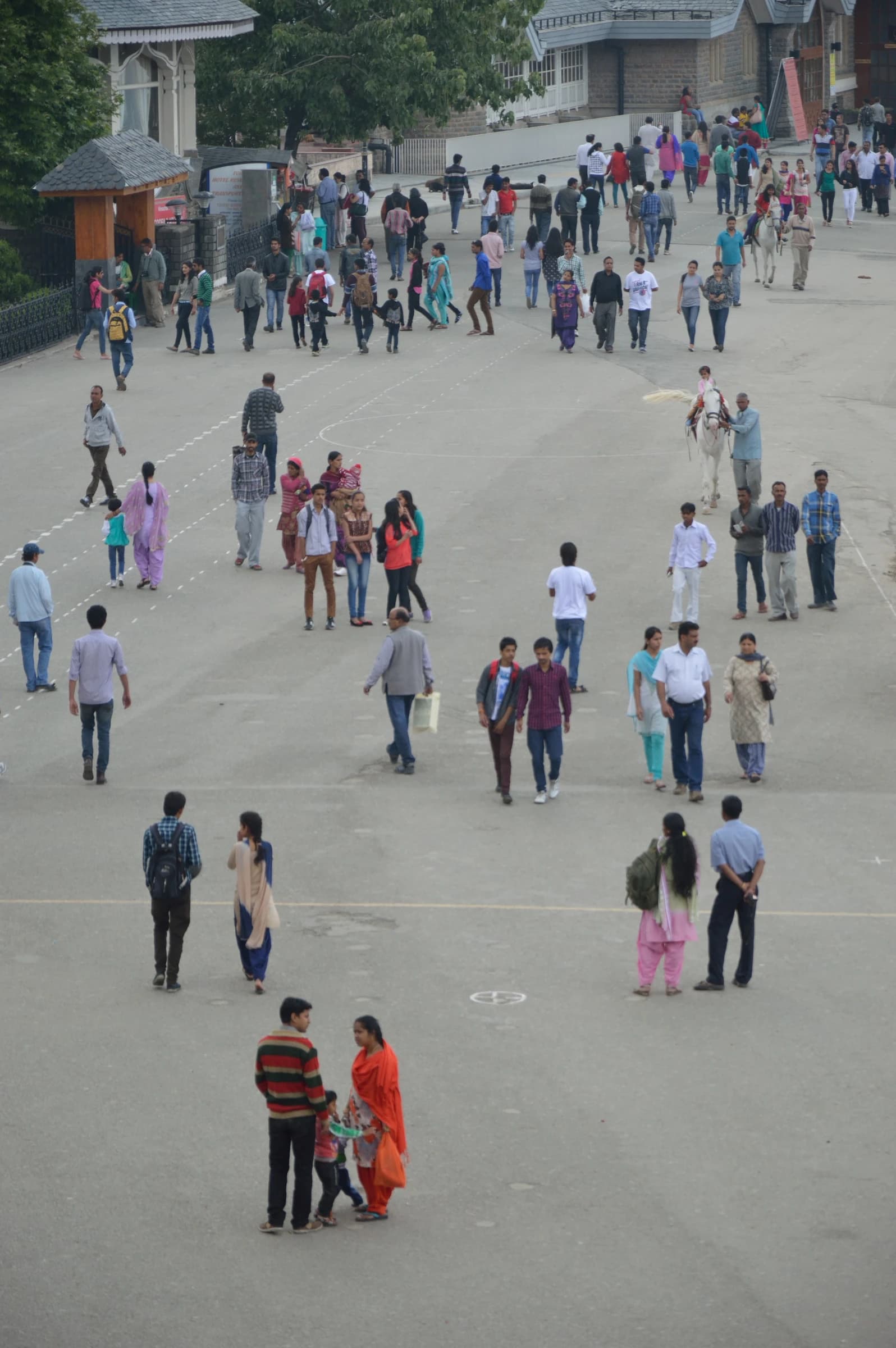
The bottleneck matters economically because it shows how quickly discretionary travel demand is still filling India’s domestic leisure market, even as it strains local transport, lodging and public services. For investors, the episode is a reminder that peak-season travel demand can remain robust for hotel operators, online booking platforms and transport-related businesses, but it also exposes the limits of capacity in popular destinations and the operational risks that come with overcrowding.
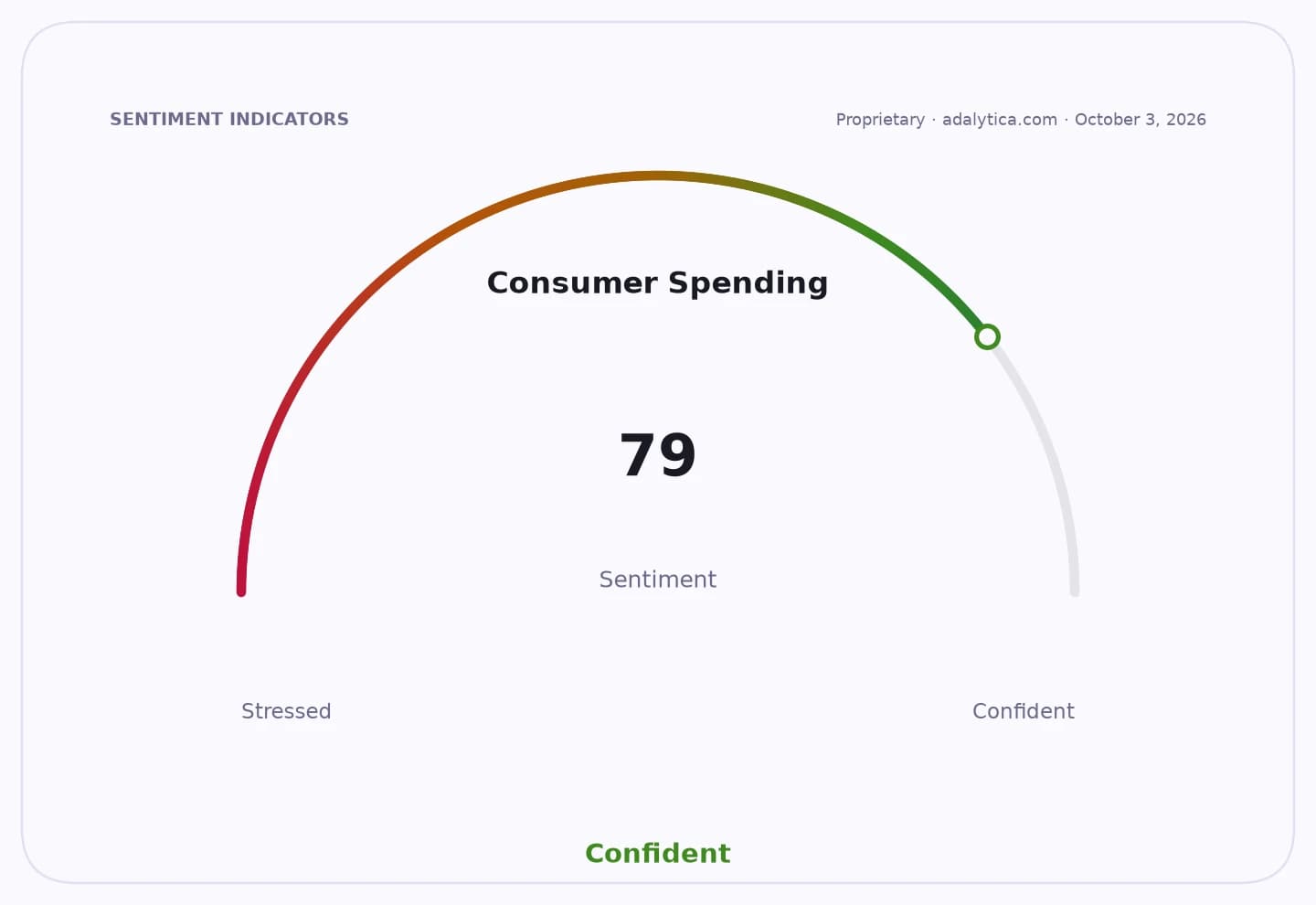
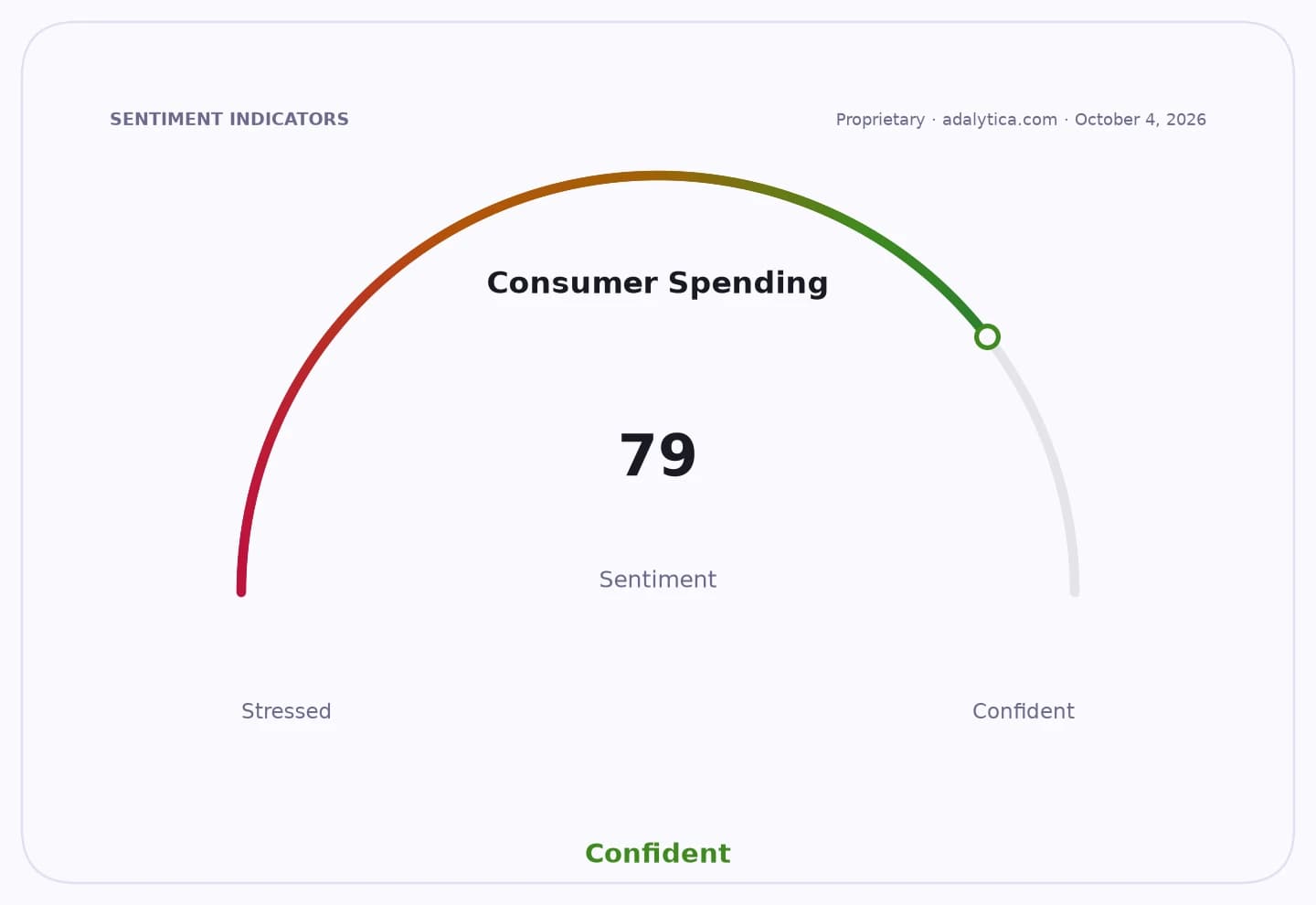
Sentiment IndicatorsⓘProprietary · adalytica.com · October 4, 2026
This is a snapshot — live sentiment, awareness and momentum for 130+ markets update continuously in the dashboard.Open AlphaPulse
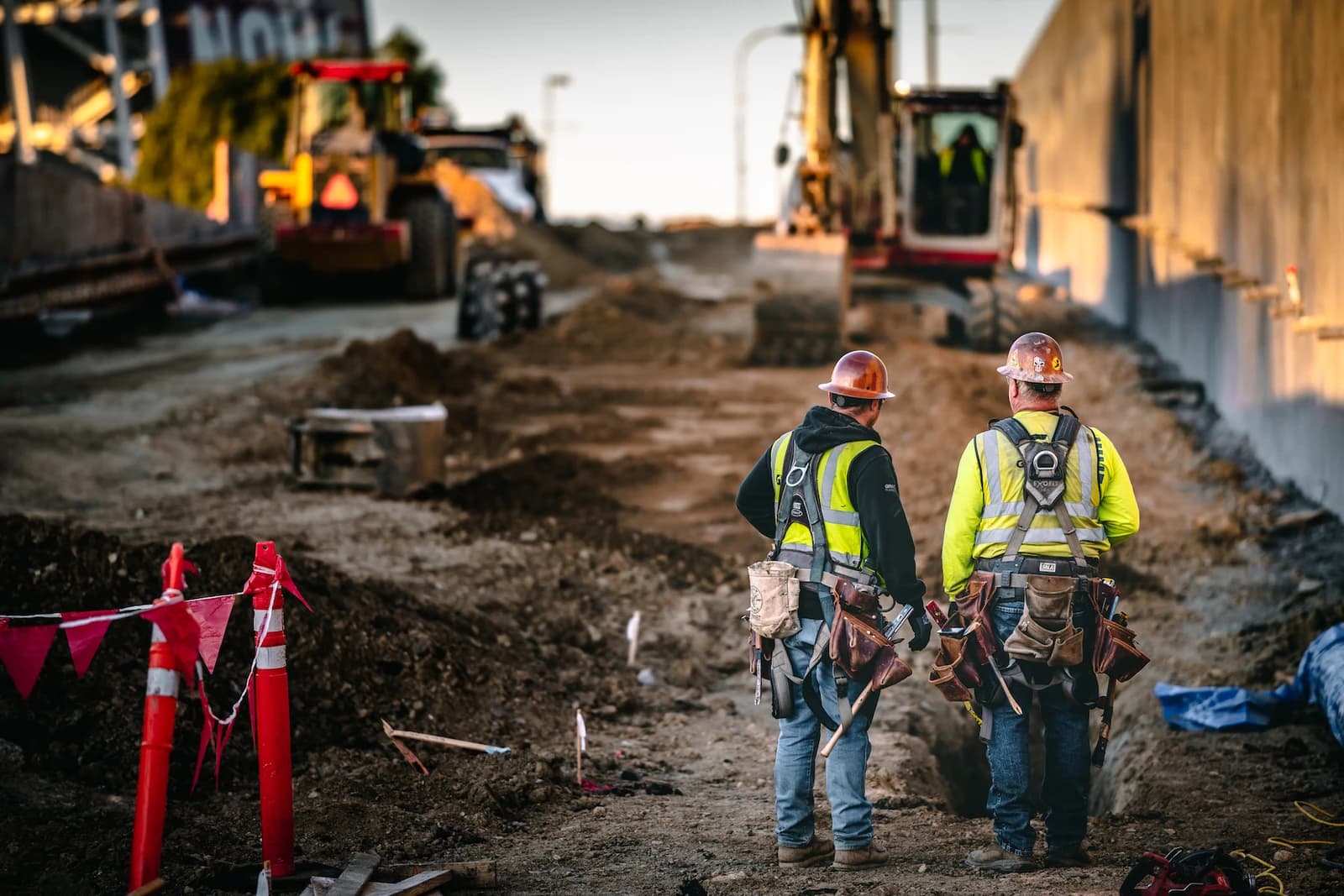
In Nainital, authorities estimated about 12,000 visitors arrived over the long weekend after Gandhi Jayanti, Saturday and Sunday, pushing hotels, homestays and guest houses to full occupancy. Late into the night, tourists were still searching for rooms along Mall Road, and some ended up sleeping at the bus stand after failing to find accommodation. Traffic on access roads from Bhawali to Kainchi Dham, Garmapani and Kherna stretched for kilometres, while tourist spots such as Naini Lake, the zoo, Snow View and Himalaya Darshan were packed.
Shimla faced a similar surge, with visitors from Haryana, Punjab, Chandigarh and Delhi turning the hill capital into a traffic choke point. What should have been a short uphill drive took up to an hour for just three kilometres, according to local reporting. The city’s parking lots filled up and police had to deploy additional personnel to manage the gridlock. Shimla traffic police said the city sees more than 80,000 vehicle movements each week, and more than 17,000 vehicles entered in the last 24 hours, including over 7,000 tourist vehicles.
The pattern is economically significant beyond the immediate congestion. India’s mountain economies rely heavily on seasonal and holiday traffic, and this level of demand supports room rates, restaurant receipts, taxi fares and local retail sales. For hotel groups such as Marriott International and Booking.com’s accommodation marketplace, sustained domestic travel demand can support bookings and pricing, even if much of the direct spend in these destinations accrues to smaller hotels and homestays outside the listed-company universe.
But the same surge also exposes a supply problem. When demand concentrates into a few holiday windows, the result is not just higher occupancy but operational overload: traffic delays, parking shortages, safety concerns and, in extreme cases, visitors sleeping in transit hubs. That can cap how much revenue local businesses can capture from peak demand and increase pressure on state authorities to expand roads, parking and crowd-management capacity.
The broader backdrop is a mountain tourism market that remains fragile. A recent avalanche in Nepal, along with prior weather-related disasters in the Himalayas, has underlined the risks attached to high-altitude travel. Even as holiday traffic fills rooms in places like Nainital and Shimla, safety and infrastructure constraints remain a structural drag on the sector’s long-term growth.
For investors, the near-term signal is straightforward: domestic leisure demand in India is holding up well enough to overwhelm supply in the most popular hill stations. The question is whether operators and authorities can turn that demand into more orderly, higher-value spending without pushing travelers into congestion, service breakdowns and reputational damage that eventually curb repeat traffic.
| Entity | Gains | Losses |
|---|---|---|
| Local hotels and homestays | ▲Full occupancy | ▼Service strain |
| Tourists and weekend travelers | ▲High destination demand | ▼Traffic delays |
| Travel platforms and hotel operators | ▲Strong booking flow | ▼Capacity bottlenecks |
| Local authorities | ▲Higher tourism activity | ▼Crowd-management pressure |