Holiday travel is getting more expensive, and the cheapest way to cut the bill is to book earlier, stay flexible and avoid peak dates as winter demand tightens pricing across airlines, hotels and package trips.
Holiday Travel Costs Rise as Winter Demand Builds
For investors, that matters because the same forces that make vacations pricier also support revenue for online travel agents and hotel groups. Booking Holdings, Expedia and Hilton all have price charts showing recent volatility, but the bigger story is that consumers are still willing to spend on trips even as budget pressure builds.
The playbook for travelers is straightforward. Sign up for travel newsletters and price alerts, book flights and rooms months ahead, and shift departures to weekdays instead of weekends. The data also points to bigger savings from package deals, group bookings, alternative lodging such as apartments or guesthouses, and destinations outside the usual tourist hotspots.
Timing is doing a lot of the work. Prices tend to ease before and after the summer and winter peaks, while school breaks and national holidays push costs higher; after Christmas and New Year, demand often drops and so do fares and room rates. Travelers who can move outside those windows usually get the best value.
That seasonal pattern is also what investors watch in the travel sector. Demand spikes around holidays can lift occupancy and room rates for hotel operators such as Hilton, while online agencies like Booking and Expedia benefit when consumers compare prices across flights, stays and packages. At the same time, more price-sensitive travelers are increasingly drawn to staycations and lesser-known destinations, which can shift traffic away from premium resorts.
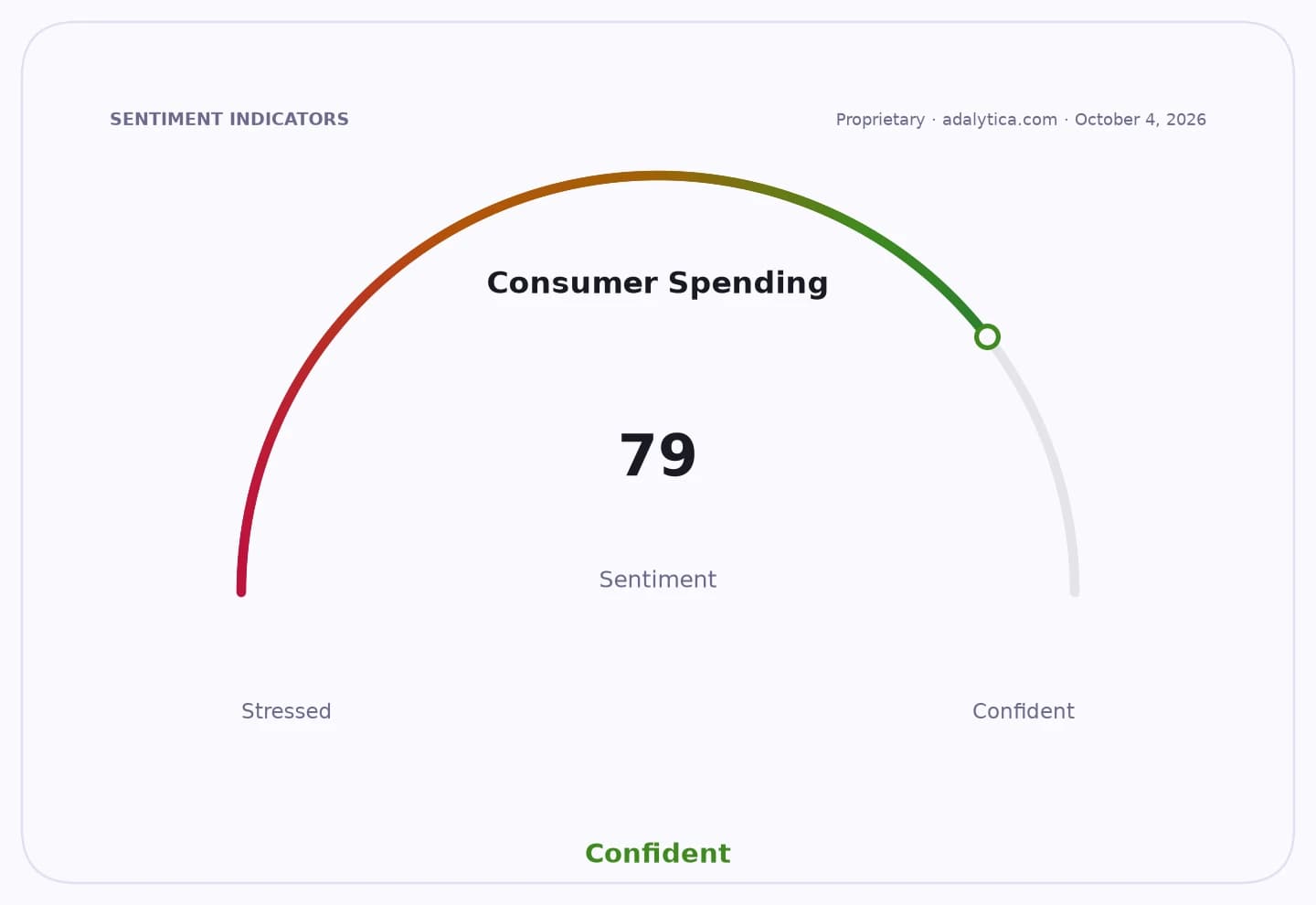
Adalytica’s Consumer Spending Sentiment gauge is at 79, in “Greed” territory, with awareness at 96, suggesting consumers remain active even as they look for deals. Credit Card Usage Sentiment is 68, though awareness is only 25, underscoring a split between spending appetite and caution on how much to charge.
For holidaymakers, the message is to move fast before prices climb further. For travel investors, the risk is that stronger demand helps revenue, but only if pricing power holds and consumers keep prioritizing trips over other discretionary spending.
| Entity | Gains | Losses |
|---|---|---|
| Booking Holdings | ▲Higher booking volumes | ▼Late-booking bargain hunters |
| Expedia Group | ▲More package and comparison traffic | ▼Travelers who wait for discounts |
| Hilton | ▲Stronger holiday occupancy and rates | ▼Budget travelers seeking alternatives |
| Consumers | ▲Lower costs from early planning | ▼Those booking peak dates |