A young returnee’s decision to build a hotel and cafe in one of China’s most remote grassland counties shows how tourism, better transport and state-backed development are turning historic frontier areas into local growth engines.
Hongyuan County tourism boosts rural income in Sichuan
In Hongyuan County in Sichuan, once known for the Long March’s harshest terrain, entrepreneur Luo Lan has built a homestay and cafe business that now hosts about 4,000 guests a year and draws roughly 16,000 visitors to her “Cloud-Eating” cafe annually. The shift matters because it shows how China is trying to convert cultural memory and natural scenery into cash income for rural communities after poverty relief efforts, while also widening consumer spending beyond major coastal cities.
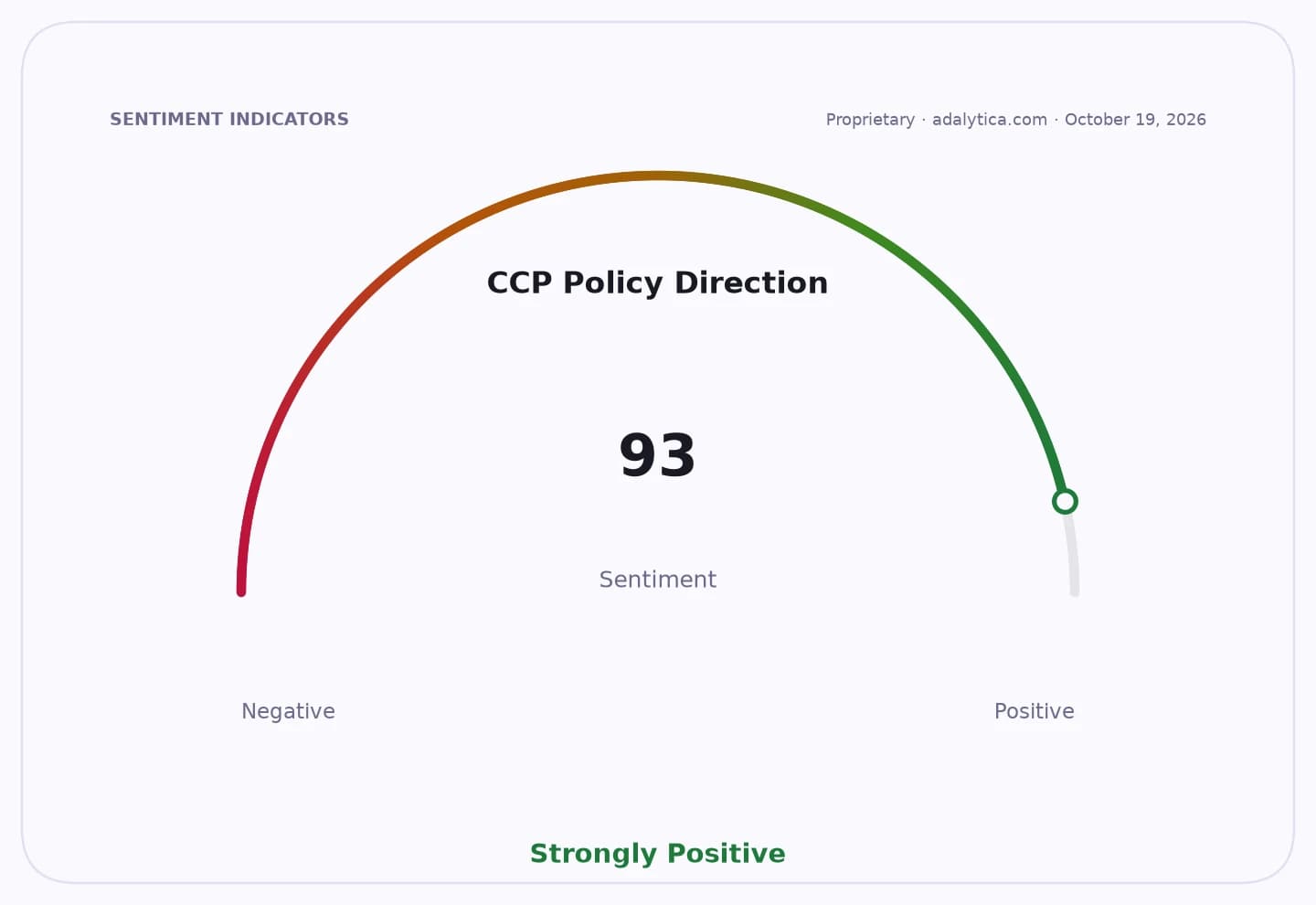
Sentiment IndicatorsⓘProprietary · adalytica.com · October 19, 2026
This is a snapshot — live sentiment, awareness and momentum for 130+ markets update continuously in the dashboard.Open AlphaPulse
Hongyuan, whose name commemorates the Red Army crossing the grasslands, sits in Aba Tibetan and Qiang Autonomous Prefecture, an area that has been lifted by roads, rail links and airports. The county’s tourism push has translated into jobs and cash flow at the village level: 21 villagers work at Luo’s site, and tourism there generates about 400,000 yuan in annual income for Xiahalama Village.
The model depends on more than scenery. Luo’s business mixes stilted wooden cabins, nomadic day tours, Tibetan breakfast experiences and a butter latte that has become a draw in its own right, underscoring how China’s rural tourism market increasingly rewards experience-led spending rather than simple sightseeing. Local officials say outside entrepreneurs are helping bring new media skills and immersive formats that make historic sites more marketable to younger travelers.
The broader trend extends across the Long March route, where other scenic areas are seeing more traffic as transport improves. Songpan County received 10.64 million tourist visits in 2025, up 15.53% from a year earlier, while total tourism spending reached 31.81 billion yuan. Jiajin Mountain also recorded growth in visits, showing that the region is becoming part of a larger domestic travel circuit.
For investors, the story is a reminder that China’s consumer and hospitality opportunities are not limited to Tier 1 cities. Rural tourism, local transport, EV charging networks and hospitality suppliers can all benefit if Beijing keeps pushing regional development and domestic spending. The challenge is profitability: Luo says energy costs remain high, and businesses in high-altitude areas still face seasonal swings.
Still, the direction is clear. China’s remote western regions are increasingly being marketed not as backwaters but as lifestyle destinations, and that shift could keep drawing capital into hotels, food and beverage, and travel services tied to the country’s internal tourism boom.
| Entity | Gains | Losses |
|---|---|---|
| Luo Lan and local operators | ▲More bookings and revenue | ▼High operating costs |
| Hongyuan villagers | ▲Jobs and shared income | ▼Seasonal income volatility |
| China’s rural tourism sector | ▲New spending and visitor flows | ▼Need for constant investment |
| Traditional low-traffic frontier areas | ▲Better infrastructure and visibility | ▼Pressure to commercialize culture |