Japan’s craft tourism is turning traditional workshops into a fresh source of inbound demand, with foreign visitors increasingly paying to stay for weeks and learn textile and ceramics skills in regions such as Kyushu, a trend that could help local industries cope with labor shortages and fading successor pipelines.
Japan craft tourism boosts regional workshops
The biggest economic significance is not just tourism spending, but the creation of a higher-value revenue stream for craft producers that have long struggled with shrinking domestic demand. By selling immersive experiences rather than only finished goods, artisans can monetize know-how, extend visitor stays and potentially keep workshops viable in places where aging populations and a lack of apprentices have weighed on output.
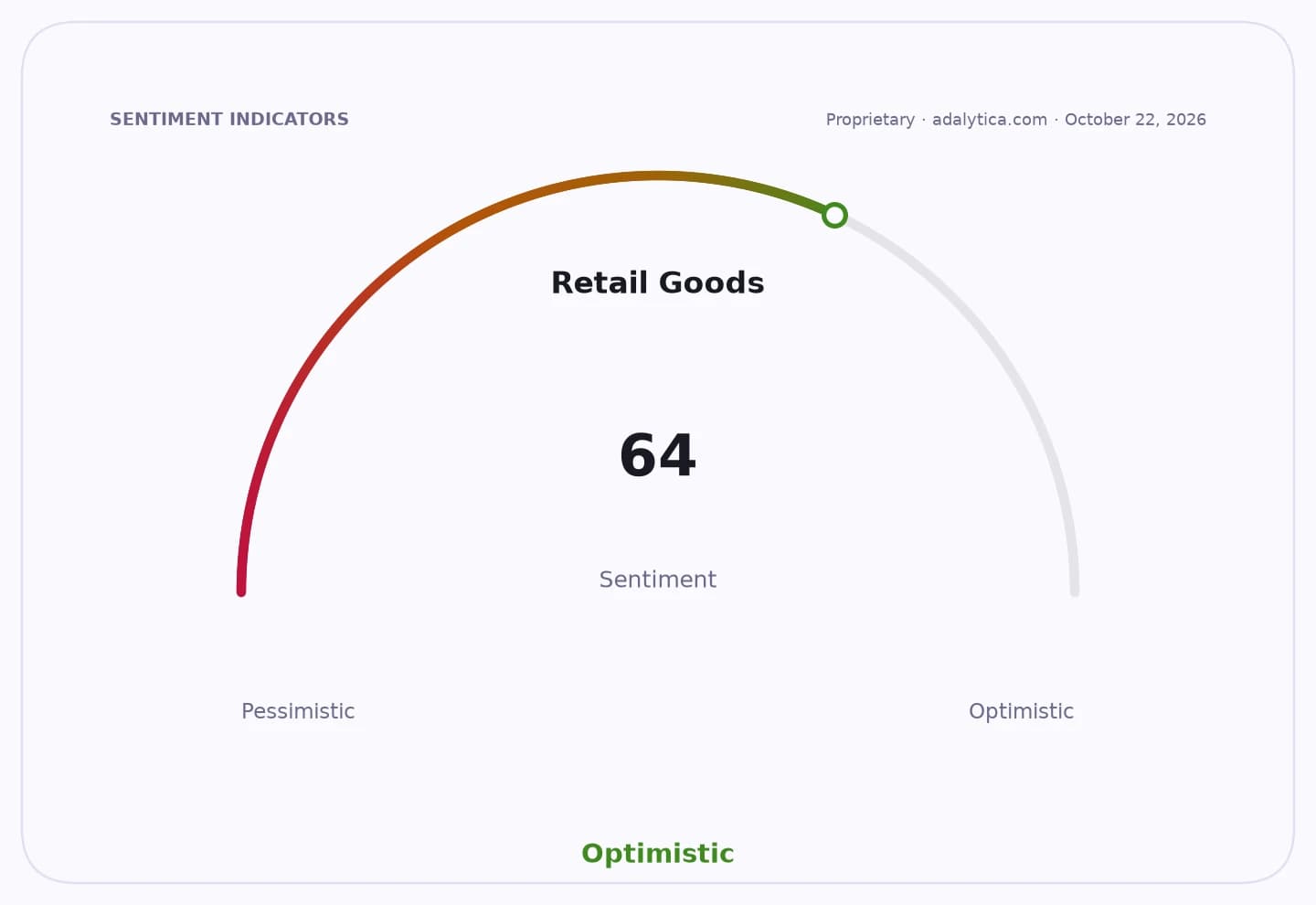
Sentiment IndicatorsⓘProprietary · adalytica.com · October 16, 2026
This is a snapshot — live sentiment, awareness and momentum for 130+ markets update continuously in the dashboard.Open AlphaPulse
That makes the model relevant well beyond culture and hospitality. A 35-day Kurume Kasuri program in Fukuoka Prefecture costs about 1 million yen, or roughly $6,700, underscoring that this is no niche souvenir trade but a premium product aimed at affluent foreign travelers willing to spend for authenticity and hands-on access.
The appeal is part of a broader post-pandemic shift in Japan’s tourism mix, as visitors look for experiences outside the usual Tokyo-Kyoto-Osaka circuit. For regional economies, that helps spread inbound spending to smaller cities and rural production centers, where accommodation, transport and local restaurants can also benefit from longer stays.
For investors, the trend is positive for Japanese travel and leisure operators that can capture repeat and premium inbound traffic, while also offering indirect support to regional brands and artisan supply chains. It is less immediately material for listed equities than a hotel or airline earnings beat, but it reinforces the strength of Japan’s inbound tourism thesis at a time when the yen remains weak and foreign travelers retain strong purchasing power.
The narrative connects culture, labor and tourism economics: Japan is packaging its handicraft heritage as an exportable experience. If the model scales, it could become a modest but durable source of rural revitalization, though its next test will be whether more workshops can convert visitor interest into steady, profitable operations.
| Entity | Gains | Losses |
|---|---|---|
| Local craft workshops | ▲Higher-margin experiential sales | ▼Pressure to invest in hosting capacity |
| Foreign tourists | ▲Premium cultural experiences | ▼High program costs |
| Regional economies | ▲Longer stays and spillover spending | ▼Risk of uneven demand outside peak seasons |
| Traditional apprenticeships | ▲More visibility and potential recruits | ▼Continued shortage of younger successors |