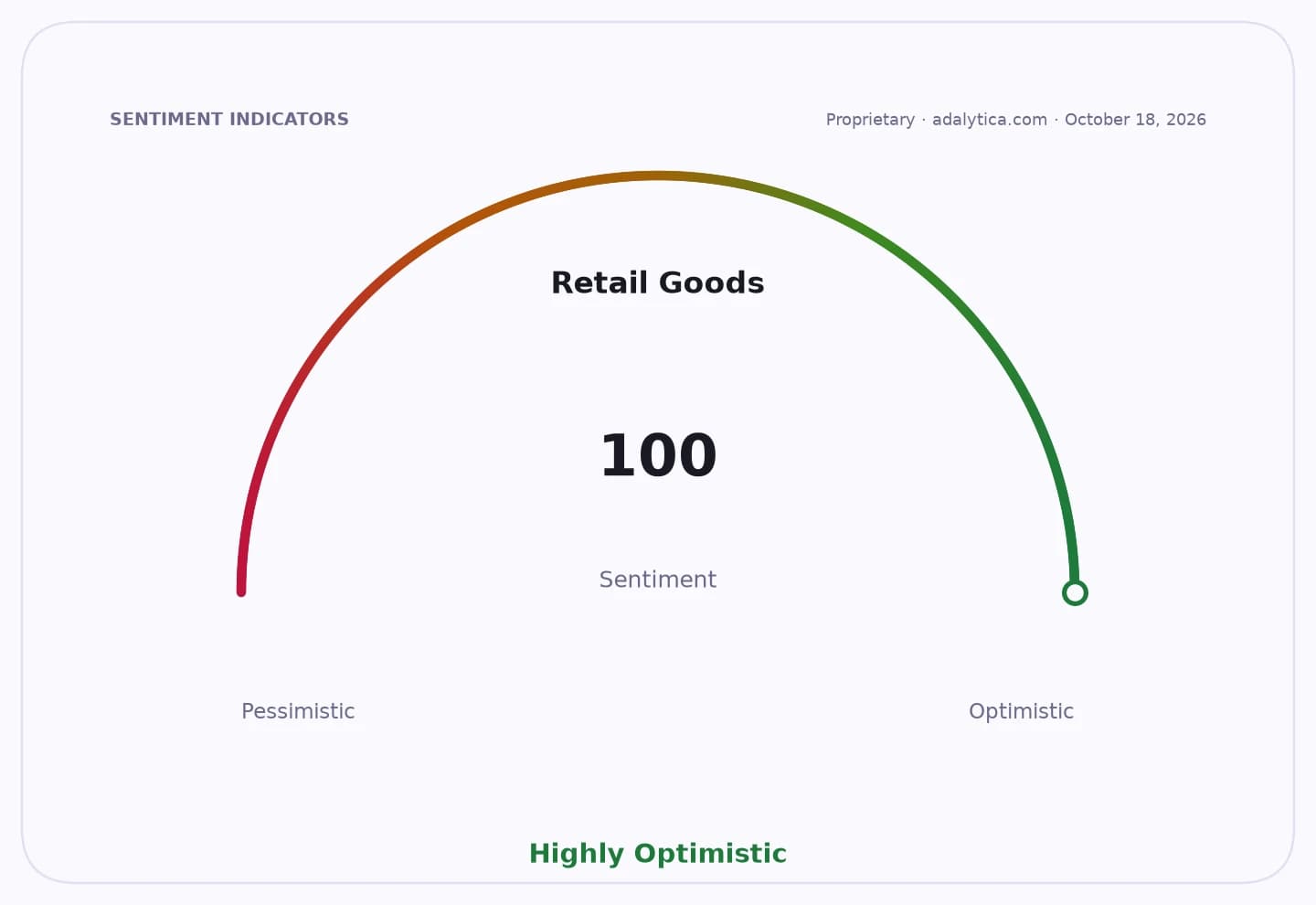
Tourists are still spending freely in New Hampshire’s foliage country even as inflation stays elevated, a sign that the state’s fall travel economy is being supported by affluent, drive-in visitors who are trading long-haul trips for closer-to-home getaways.
New Hampshire fall tourism stays resilient
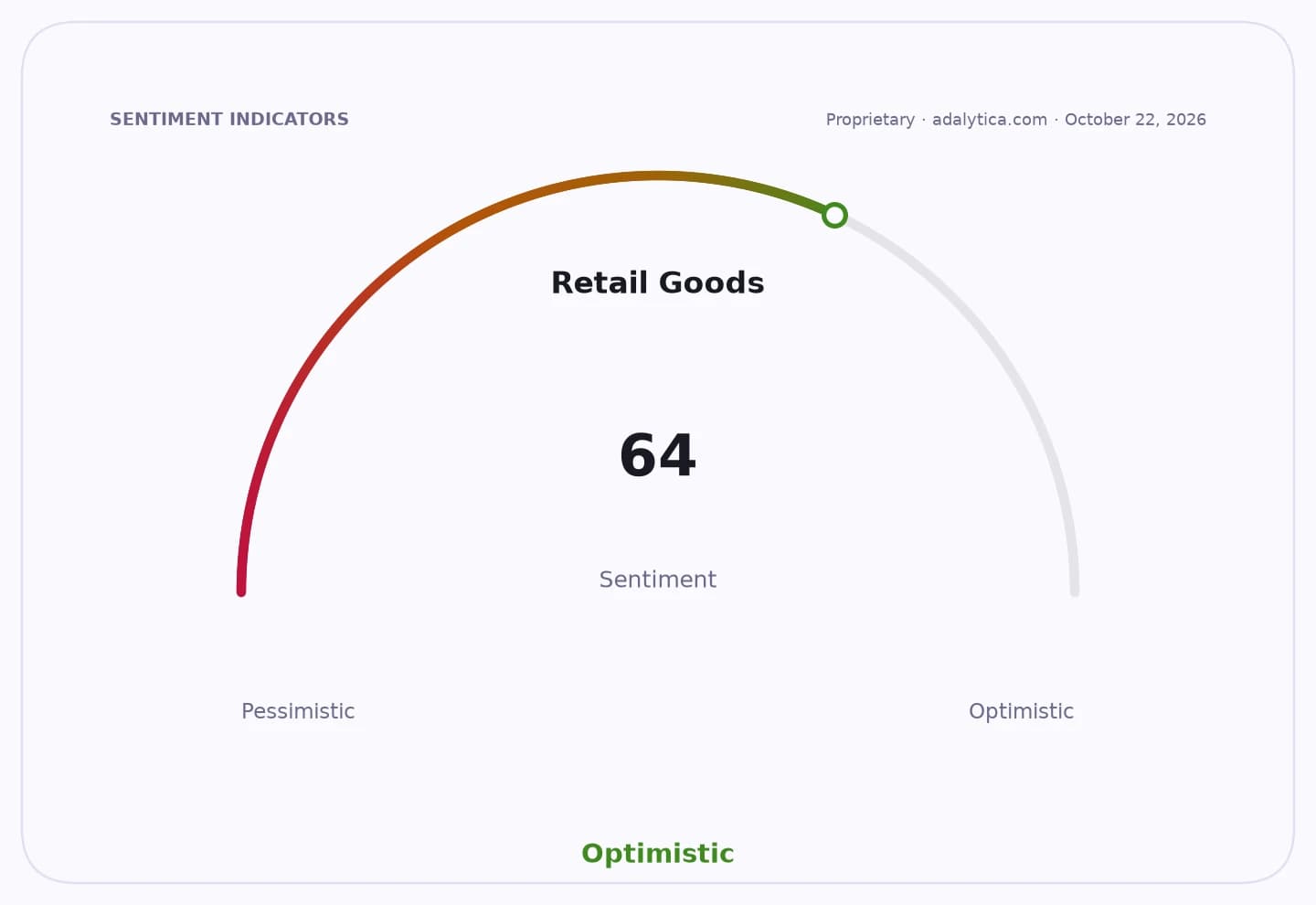
That matters because the autumn leaf season is one of the most important revenue windows for northern New Hampshire, and this year’s traffic suggests tourism demand remains resilient even as households face tighter budgets. At the Mount Washington Valley Chamber of Commerce, 94% of businesses surveyed said the Columbus Day and Indigenous Peoples Day weekend met or exceeded expectations, a strong reading for a region that depends heavily on seasonal visitor spending.
Sentiment IndicatorsⓘProprietary · adalytica.com · October 22, 2026
This is a snapshot — live sentiment, awareness and momentum for 130+ markets update continuously in the dashboard.Open AlphaPulse
The story is less about a surge in volume than a shift in behavior. Local merchants say tourists are coming from farther afield in the U.S. South and from abroad, but the bigger tailwind is domestic travelers who are substituting a road trip for a flight. For businesses such as Beggars Pouch Leather in North Conway, that helps preserve foot traffic and ticket sizes even when consumers are under pressure elsewhere. It also underscores a common late-cycle travel pattern: discretionary spending weakens first in expensive, far-flung trips, while nearby leisure destinations that can be reached by car hold up better.
That resilience has implications beyond one leaf-peeping weekend. Tourism is a meaningful contributor to New Hampshire’s economy, supporting lodging, retail, dining and transportation businesses during a period that often sets the tone for the winter season. If travelers keep coming through year-end, local merchants could see a steadier holiday runway, with some already reporting early Christmas shopping.
For investors, the message is that consumer strain is not yet translating into a broad retreat from leisure travel, especially in drive-to markets. That is supportive for booking platforms and travel operators with exposure to domestic, short-haul demand, even if macro headlines remain gloomy. Booking Holdings and Expedia have both flagged the seasonal strength of leisure travel, and while their shares have been volatile, the underlying demand picture in destinations like New Hampshire suggests travelers are still allocating money to experiences.
The risk is that the pattern may be more selective than broad-based. Higher-income tourists can absorb inflation better than local workers and residents, who face housing and commuting pressure in places like North Conway. If inflation and high borrowing costs keep squeezing lower- and middle-income households, the gap between robust visitor spending and strained local economics could widen.
For now, though, the fall foliage trade is doing what it usually does best: proving that some travel demand is sticky even in a tough economy, so long as the destination is close enough, scenic enough and still worth the gas.
| Entity | Gains | Losses |
|---|---|---|
| New Hampshire tourism businesses | ▲Strong fall traffic | ▼None material |
| Drive-to travelers | ▲Cheaper domestic trips | ▼Long-haul air travel plans |
| Booking platforms and travel operators | ▲Resilient leisure demand | ▼Premium international routes |
| Local workers and residents | ▲Limited spillover | ▼Higher housing and living costs |