Haywood County’s tourism boom has become a real economic engine, with visitor spending more than doubling over the past decade and now supporting thousands of jobs, millions in local income and a growing share of tax revenue.
Haywood County tourism spending tops $358 million
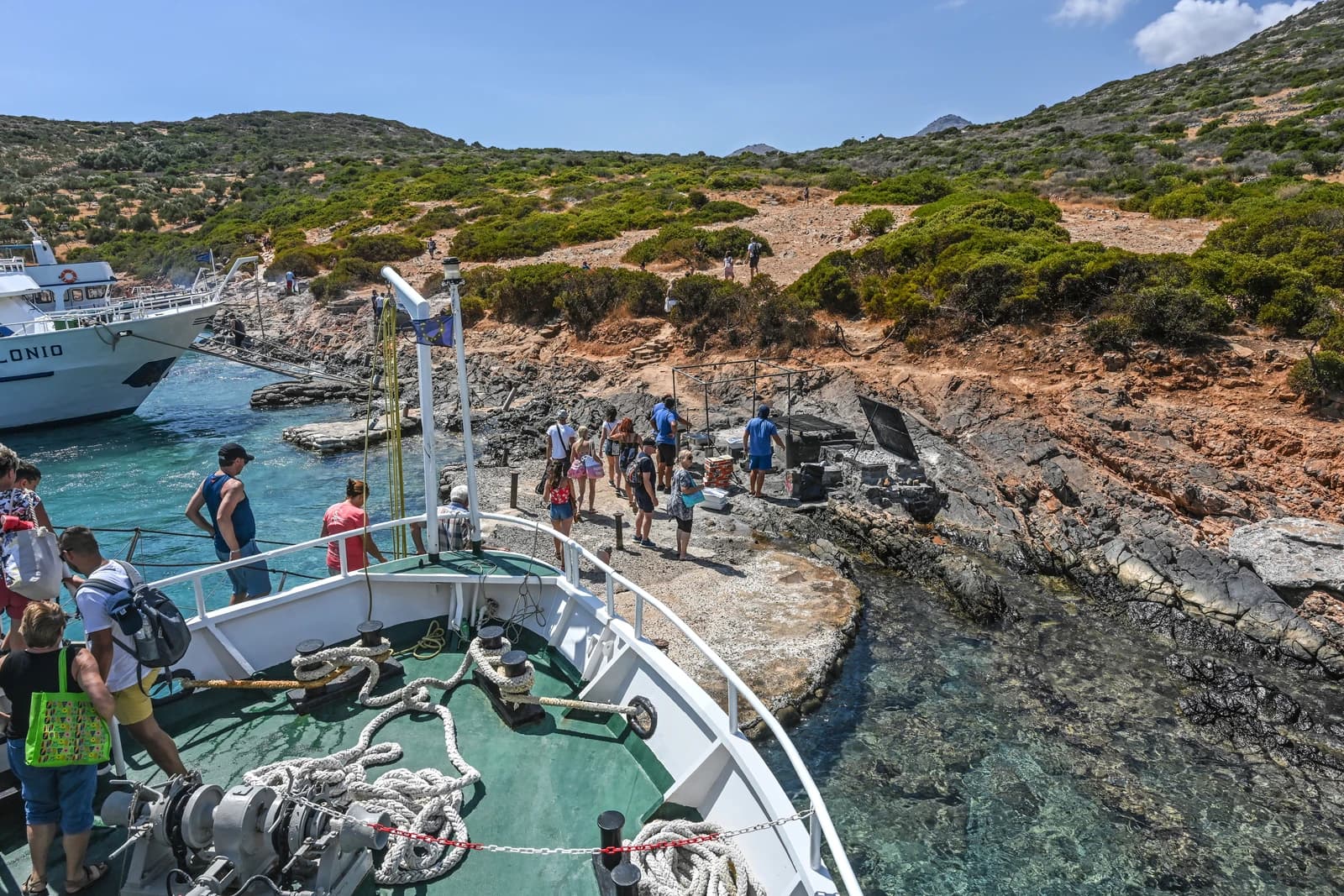
That is the key story here: tourism in western North Carolina is no longer just a seasonal boost for hotels, restaurants and shops. It is now a material pillar of the county’s economy. Visit Haywood says spending rose from nearly $167 million in 2015 to $358 million in 2025, a jump that helps support more than 2,200 full-time jobs, over $93 million in personal income and more than $12 million in local tax revenue. For a county economy, those are not small numbers. They are the kind that shape hiring, wages, infrastructure spending and the long-term health of small businesses.
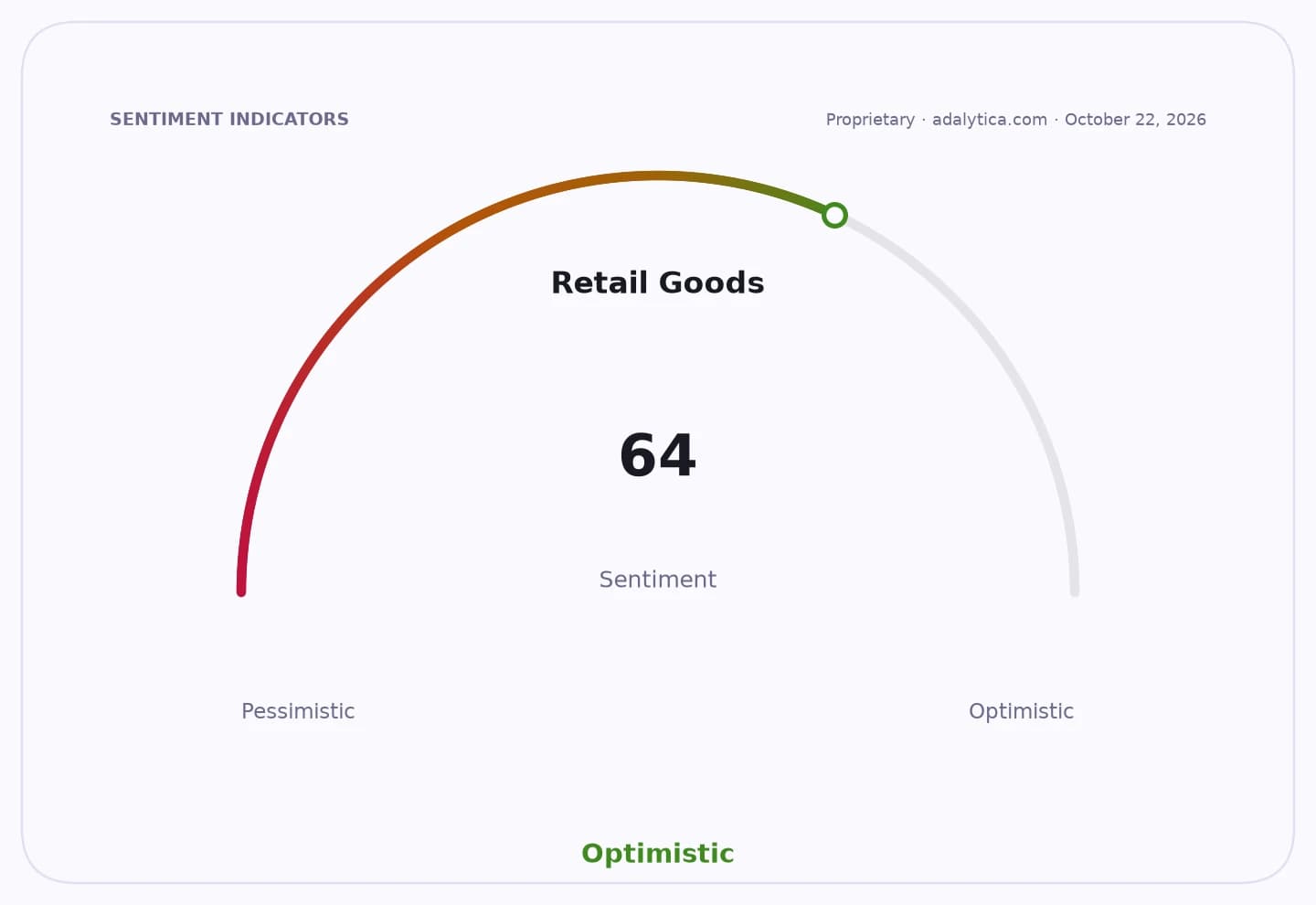
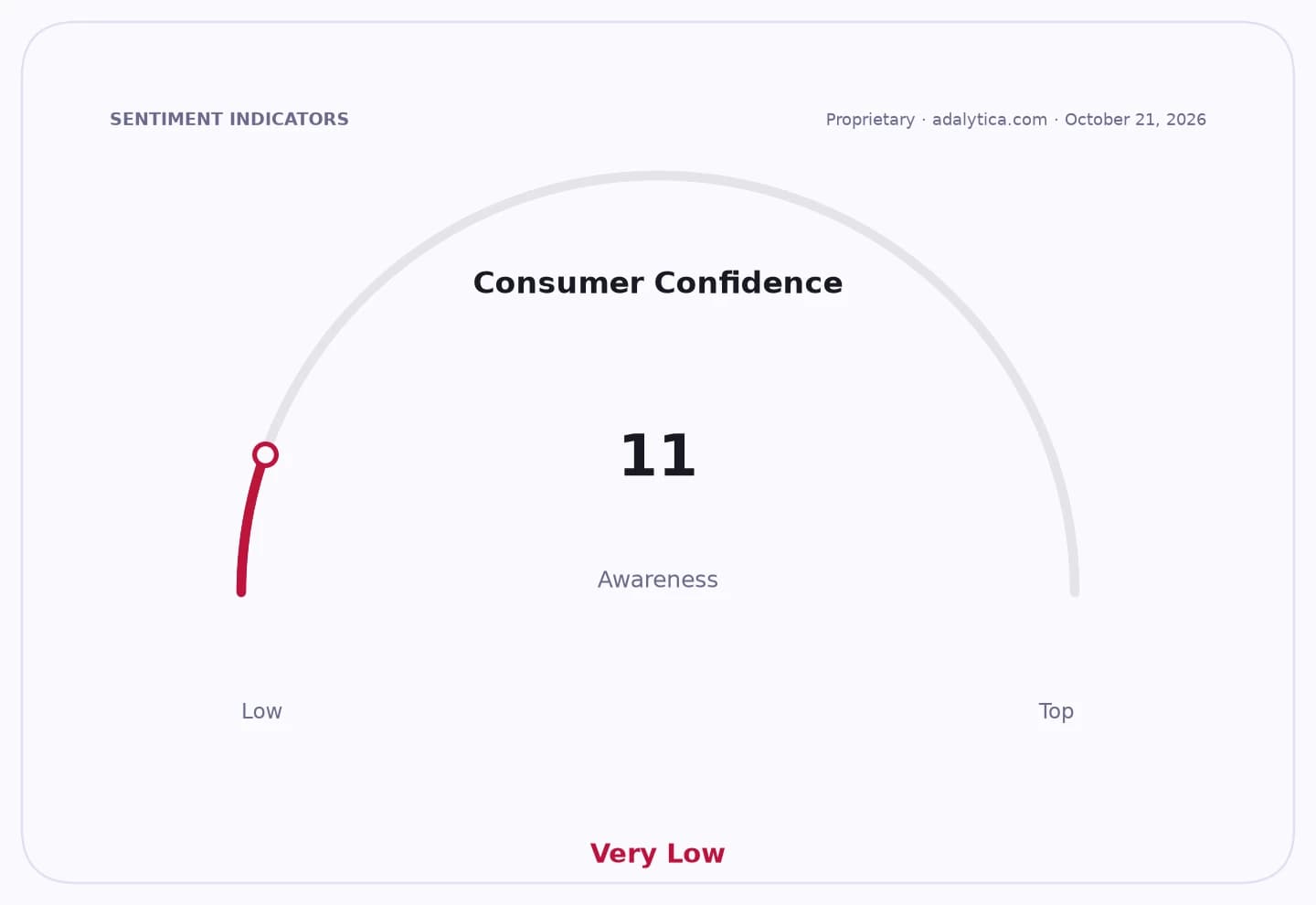
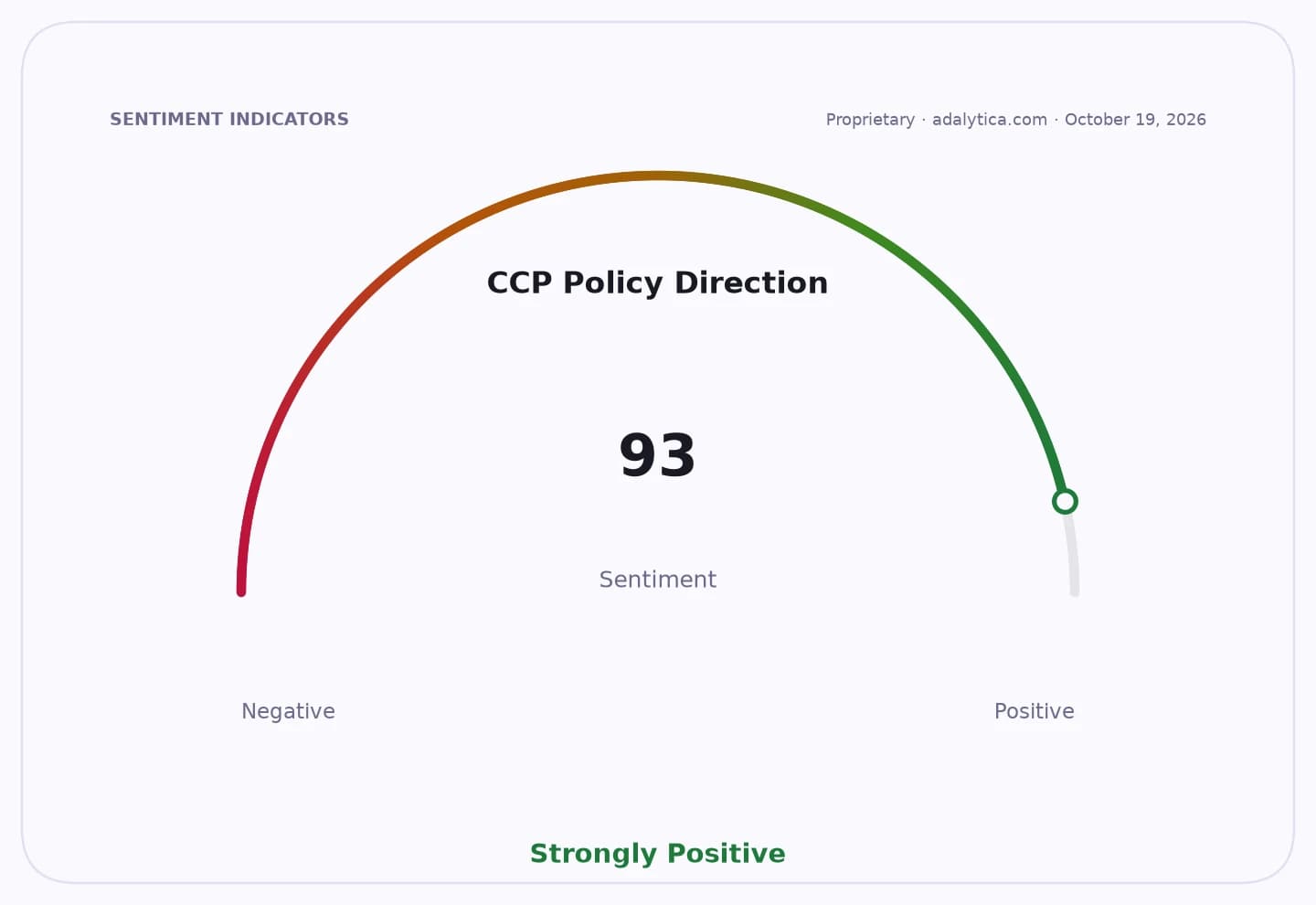
Sentiment IndicatorsⓘProprietary · adalytica.com · October 18, 2026
This is a snapshot — live sentiment, awareness and momentum for 130+ markets update continuously in the dashboard.Open AlphaPulse
For investors, the lesson is broader than one county. Tourism demand is still proving resilient even as consumers face mixed economic signals. In places like Haywood, the winners are lodging operators, outdoor attractions, restaurants and retailers that benefit from higher visitor counts and longer stays. The losers are businesses and communities that fail to manage congestion, seasonality and strain on natural resources. That is why Visit Haywood is shifting from simply attracting more travelers to attracting the right ones — visitors who come midweek, spread demand across the year and fit the area’s Appalachian brand.
That strategy matters because tourism growth is only durable if it is sustainable. Visit Haywood said it is now focused on stewardship and resident quality of life, not just visitation, and has adopted a destination master plan to spread activity more evenly through the year. The county’s branding push — uniting its five mountain towns, courting travel writers and building a more mobile-friendly website — is designed to keep the spending rolling without overwhelming local infrastructure.
That is also where the local business opportunity gets interesting. A more balanced flow of visitors can improve occupancy, boost restaurant traffic and support better wages over time. Waynesville Inn and Golf Club, which is celebrating its 100th year, said more tourism means more jobs and better pay. That is the kind of virtuous cycle investors look for in regional leisure markets: more demand, better pricing power and stronger free cash flow for well-positioned operators.
There are risks, of course. Tourism can be fragile if it becomes too dependent on a single season, one marketing cycle or a weather-related disruption. Western North Carolina also remains vulnerable to the kind of shocks that can abruptly alter travel patterns. But the bigger takeaway is that Haywood County is trying to turn a tourism surge into an enduring advantage rather than a one-off bump.
For long-term investors, that is the right mindset. The best tourism markets are not necessarily the busiest ones; they are the ones that can keep attracting visitors, spending and jobs year after year. Haywood County appears to be building exactly that kind of model, and it is worth watching.
| Entity | Gains | Losses |
|---|---|---|
| Haywood County businesses | ▲Higher visitor spending | ▼More strain if growth is unmanaged |
| Local workers | ▲More jobs and better pay | ▼Seasonal instability if tourism slows |
| County government | ▲More tax revenue | ▼Pressure to fund infrastructure |
| Smaller towns/quiet residents | ▲Better services if spending is reinvested | ▼Congestion and crowding |