Travel agency income fell 7.8% and employment declined, a fresh sign that the travel cycle is losing momentum just as investors were betting the sector could keep powering higher through 2026.
Travel Agency Income Falls 7.8%
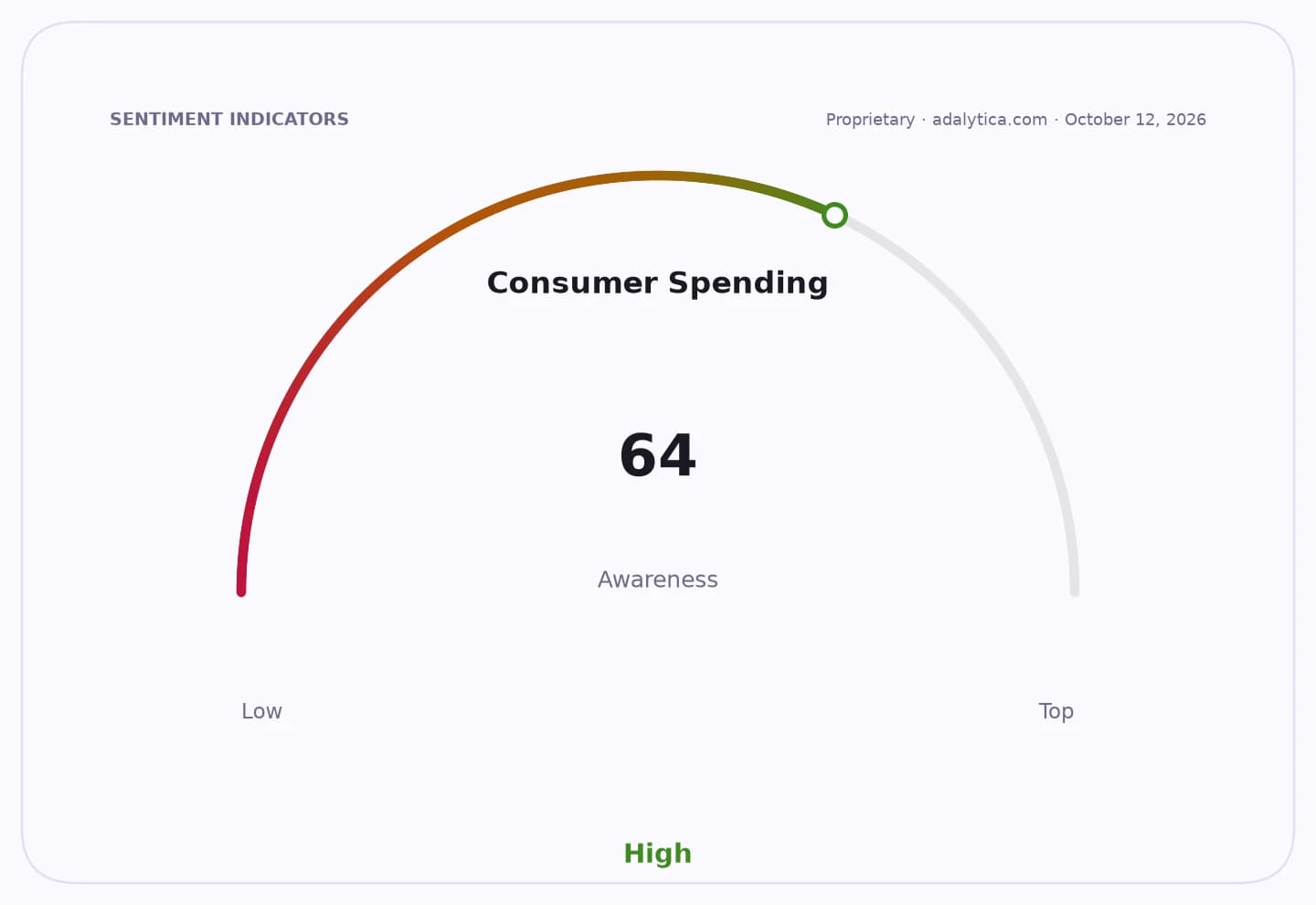
That matters because travel is one of the clearest real-time reads on discretionary spending. When agency income and payrolls weaken together, it usually means consumers are trading down, delaying trips or booking less aggressively — exactly the kind of behavior that can compress margins for booking platforms, tour operators and membership-driven travel companies. For investors, the message is simple: this is no longer just a headline about one segment of the leisure economy; it is an early warning that travel demand is getting less elastic, less profitable and more vulnerable to a broader slowdown.
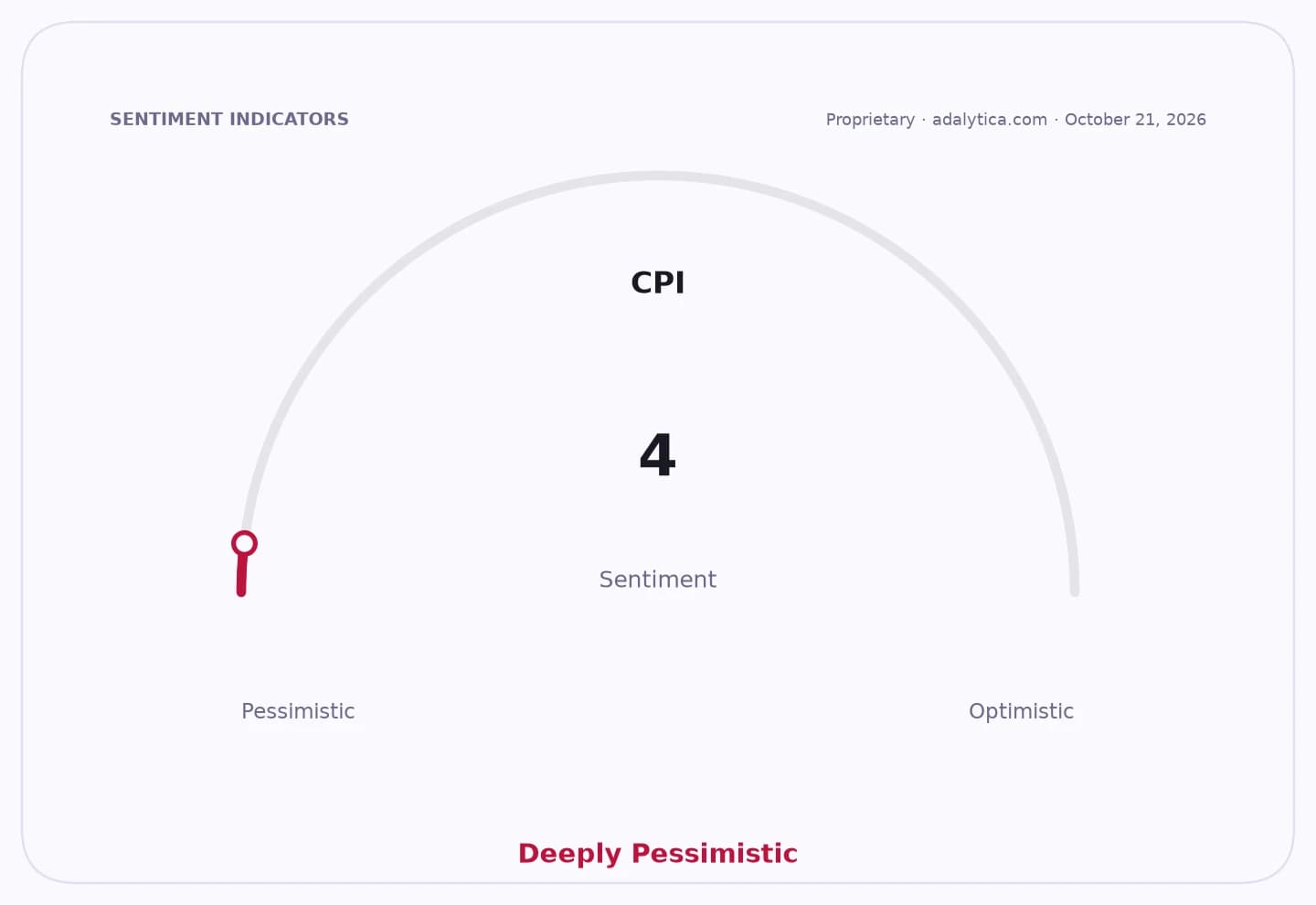
Sentiment IndicatorsⓘProprietary · adalytica.com · October 21, 2026
This is a snapshot — live sentiment, awareness and momentum for 130+ markets update continuously in the dashboard.Open AlphaPulse
The market has already started to price in that wobble. Booking Holdings has slumped to $158.38 from well above $200 earlier in the year, even after a recent rebound attempt, while its 50-day moving average remains below the 200-day line and momentum has weakened. Expedia has also been volatile, falling sharply from its summer highs before trying to stabilize around $285.64. Travel + Leisure, which sits closer to the consumer and timeshare end of the industry, has recovered from a brutal spring selloff but still trades well below its 200-day average, showing how quickly sentiment can turn when the underlying travel cycle softens.
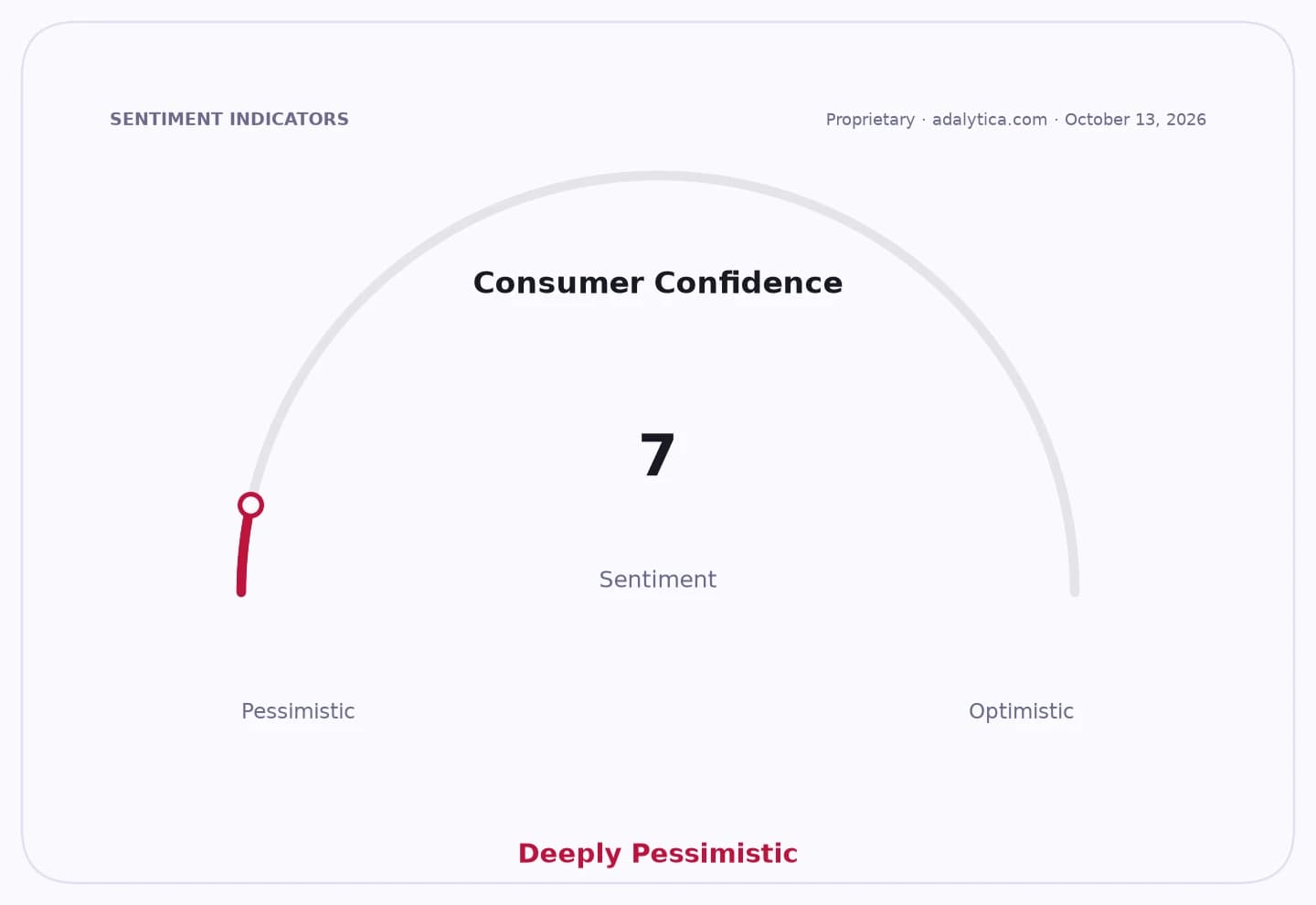
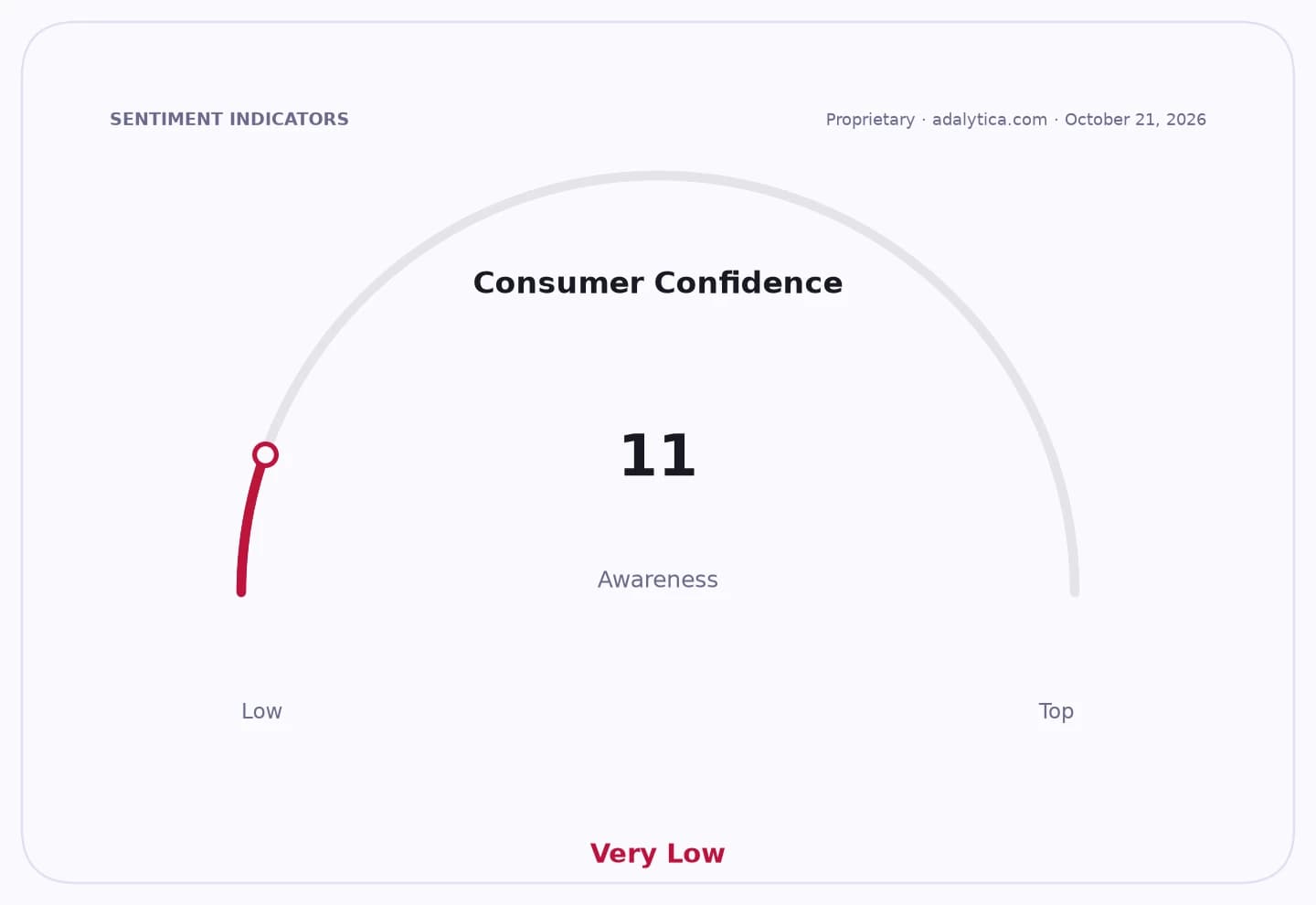
The broader setup is important. Travel shares are highly levered to booking volume, pricing power and consumer confidence, and that makes them sensitive to even modest changes in discretionary spending. Adalytica’s Consumer Confidence Recession Sentiment snapshot flipped from extreme fear to neutral in the latest read, but the awareness gauge remains deeply subdued, suggesting investors are still processing a fragile backdrop rather than celebrating a durable recovery. In that environment, companies with the best balance sheets, the strongest direct-to-consumer demand and the most efficient distribution will outlast weaker players that depend on volume growth alone.
That is where the investable opportunity lies. If travel agency income is cracking, the winners are not the broad travel names that depend on a healthy consumer — they are the toll roads of travel: online booking platforms, payment facilitators and operators with pricing discipline. The losers are the intermediaries most exposed to shrinking agency activity and softer conversion. The market underestimates how fast earnings leverage can reverse in this industry once bookings slow, and that creates room for sharp multiple compression in the laggards even if headline travel demand does not collapse outright.
The next catalyst will be whether upcoming booking data and corporate commentary confirm that the weakness is cyclical or structural. If the slowdown deepens, expect the sector to rotate toward the highest-quality platforms and away from lower-margin agencies and membership models. For investors, this is a moment to be selective: own the businesses that monetize travel demand without depending on a booming consumer, and be careful with the names still priced for a clean rebound.
| Entity | Gains | Losses |
|---|---|---|
| Online booking platforms | ▲Lower-cost direct demand | ▼Softer discretionary travel |
| Travel agencies | ▲None | ▼Lower income and staffing |
| Consumers | ▲Cheaper travel deals | ▼Less choice, weaker service |
| Travel + Leisure, Booking, Expedia | ▲Selective leaders | ▼Cyclical slower-growth peers |